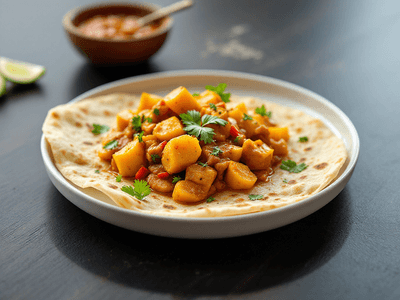
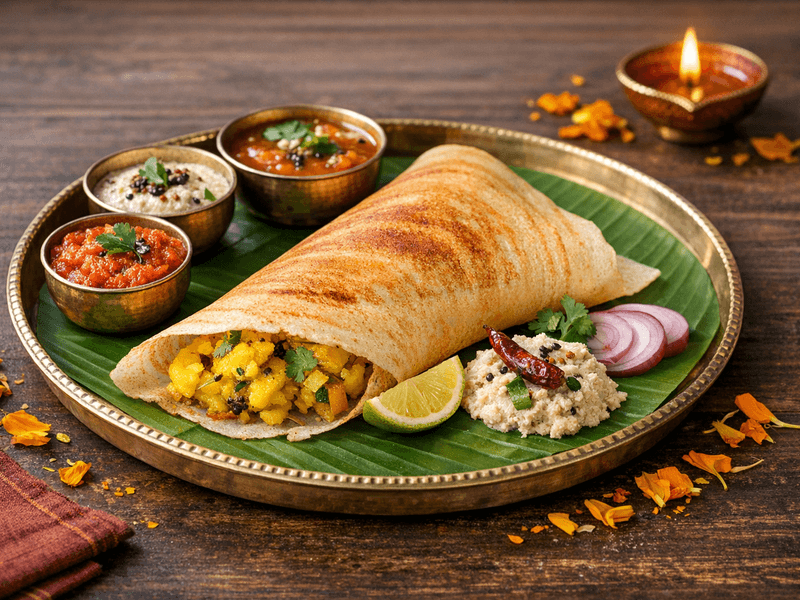
📸 Image coming soon for Citron Leaf Pakora
Citron Leaf Pakora
Snacks • India
How to Make Citron Leaf Pakora (Traditional & Healthy Version)
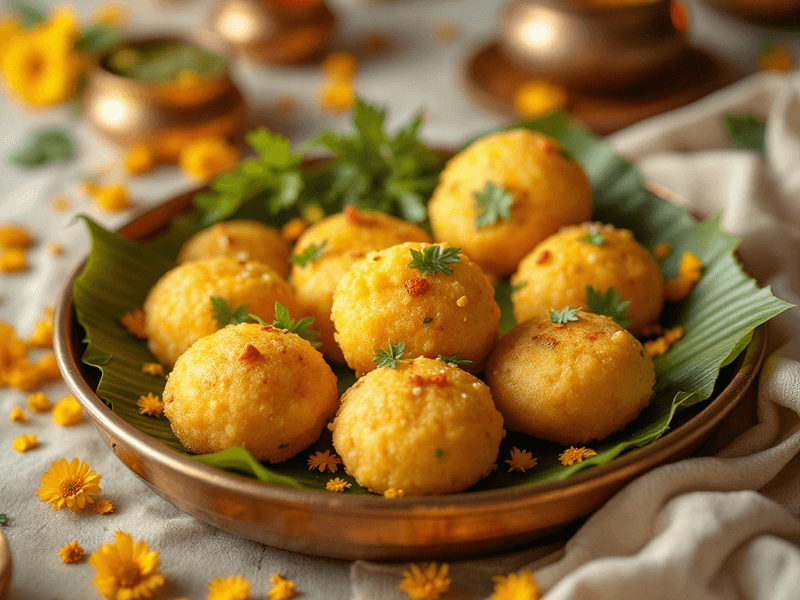
Citron Leaf Pakora, locally known as 'Narthangai Ilai Pakoda' in Tamil Nadu, is a cherished South Indian snack that brings together the aromatic flavor of fresh citron leaves with a light, crispy besan (gram flour) coating. Traditionally enjoyed during the monsoon season and festive occasions, this pakora stands out for its unique citrusy aroma, making it a delightful alternative to regular pakoras. The dish finds its roots in Tamil and Telugu-speaking regions, where citron trees are commonly grown in home gardens. The leaves are prized for their digestive and medicinal properties, and their zesty essence infuses the pakora with a refreshing twist. Citron Leaf Pakora is a popular choice for tea-time snacks, especially during family gatherings or festivals like Deepavali (Diwali) and Pongal. The combination of simple, wholesome ingredients and deep-rooted tradition makes this pakora a beloved treat. Its pleasantly tangy taste, crunchy texture, and herbal undertones pair wonderfully with a cup of masala chai or filter coffee. Whether served as an evening snack or as a special addition to a festive menu, Citron Leaf Pakora delivers an authentic South Indian experience with every bite. This healthy, vegetarian recipe is perfect for those seeking nutritious snacks without compromising on taste. By using minimal oil and nutrient-dense ingredients, this version is crafted with health-conscious eaters and calorie trackers in mind. The recipe is easy to follow, and each step is designed to help you recreate this classic snack at home while keeping it light and wholesome.
Ingredients(for 5-6 pakoras per serving)
- 10-12 leaves Fresh citron leaves (narthangai ilai) (washed and patted dry)
- 1 cup Besan (gram flour) (sieved)
- 2 tablespoons Rice flour (chawal ka atta) (for extra crispness)
- 1/2 teaspoon Red chilli powder (adjust to taste)
- 1/4 teaspoon Turmeric powder (haldi)
- 1/4 teaspoon Ajwain (carom seeds) (aids digestion)
- to taste Salt
- a pinch Hing (asafoetida) - optional
- as needed Water (to make batter)
- for shallow frying Cold-pressed groundnut oil (or use as little as possible)
Instructions
- 1
Gently wash the citron leaves and pat them completely dry with a kitchen towel. Remove any thick stalks for even frying.
5 minutes
Ensure the leaves are totally dry to prevent oil splatter during frying.
- 2
In a mixing bowl, combine besan, rice flour, red chilli powder, turmeric powder, ajwain, salt, and hing. Mix well to distribute the spices evenly.
3 minutes
Sift the flours to avoid lumps and ensure a smooth batter.
- 3
Gradually add water to the dry ingredients, whisking to form a thick but pourable batter. The consistency should coat the back of a spoon.
3 minutes
Add water little by little to prevent a runny batter.
- 4
Heat oil in a heavy-bottomed kadhai or shallow frying pan (tawa) on medium flame. Test by dropping a bit of batter; it should sizzle and rise to the top.
5 minutes
Use groundnut oil for an authentic South Indian flavor and better health profile.
Why This Dish is Healthy
This dish is a healthy choice because it uses minimal oil, incorporates nutrient-dense ingredients, and leverages the medicinal properties of citron leaves. Shallow frying instead of deep frying significantly cuts down on calories and fat. The use of besan provides plant protein and fiber, promoting satiety and stable blood sugar levels. By using natural spices and herbs, this pakora remains flavorful while being heart-friendly and supportive of a balanced Indian diet.
Citron Leaf Pakora is packed with nutrients from both the leaves and the gram flour. Citron leaves are rich in antioxidants, vitamin C, and have digestive benefits. Besan is a good source of plant-based protein, complex carbohydrates, and dietary fiber, while rice flour adds lightness and crispness without excess calories. The use of groundnut oil and shallow frying reduces saturated fat. Spices like ajwain and hing further aid digestion and combat bloating, making this snack a healthier alternative to conventional deep-fried pakoras.
Pro Tips
- 💡Tip 1: Always dry the citron leaves thoroughly before dipping in batter to prevent oil splatter.
- 💡Tip 2: For extra crisp pakoras, add a tablespoon of hot oil to the batter before frying.
- 💡Tip 3: Serve immediately after frying for the best taste and texture.
Storage & Serving
Best enjoyed fresh. Store leftovers in an airtight container at room temperature for up to 6 hours. Reheat on a tawa for a few minutes to restore crispness. Avoid refrigeration as it can make the pakoras soggy.
Best served: Breakfast or Lunch
Nutrition Facts
| Nutrient | Per 100g |
|---|---|
| Energy | 110.0 kcal |
| Protein | 6.0 g |
| Carbohydrates | 28.0 g |
| Total Fat | 11.0 g |
| Fiber | 4.0 g |