Rasam
Dal & Lentils • India
How to Make Rasam (Traditional & Healthy Version)
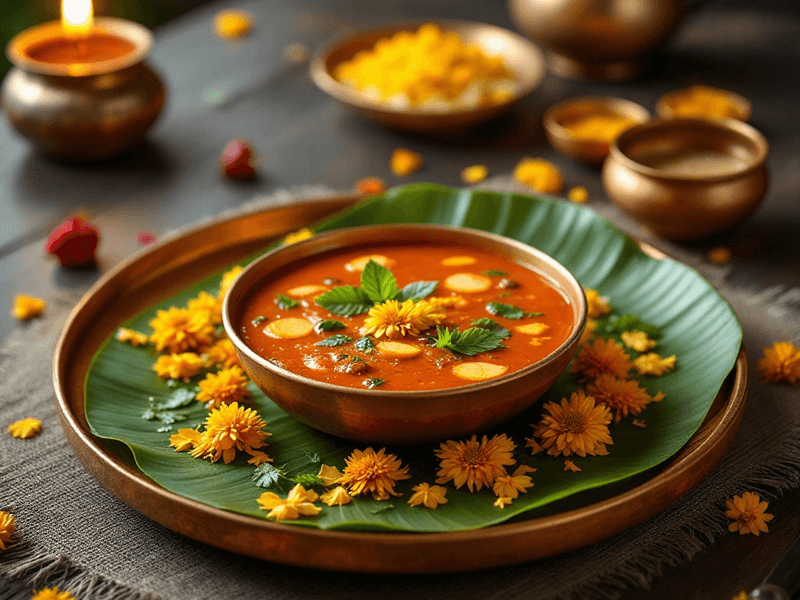
Rasam is a quintessential South Indian dish, known for its tangy, spicy, and aromatic flavors. Originating from the southern states like Tamil Nadu, Karnataka, and Andhra Pradesh, rasam is often enjoyed as a light snack, starter, or as part of a wholesome lunch. Made primarily with tamarind, tomatoes, lentils, and an assortment of spices, rasam is celebrated for its comforting warmth and digestive properties. The word 'rasam' itself means 'juice' or 'essence,' reflecting the dish’s vibrant, soupy nature. In South Indian households, rasam is a daily staple, served with steamed rice or sipped as a soothing broth. Its unique blend of spices (rasam powder), fresh coriander, and curry leaves create a delightful balance of tang and mild heat, making it a favorite among all age groups. Rasam’s versatility allows it to be adapted for various dietary needs, ensuring it remains both nutritious and satisfying. Whether you’re seeking a light vegetarian snack or a healthy addition to your meal, rasam stands out for its simplicity, rich heritage, and remarkable taste. Ideal for calorie-conscious individuals, rasam is low in fat and packed with antioxidants, making it an excellent choice for those tracking their nutrition. Its light yet flavorful profile makes it suitable for breakfast, lunch, or even as a soothing remedy during flu season. Enjoy this traditional South Indian rasam recipe and experience a true taste of Indian culinary culture.
Ingredients(for 1 small bowl (approx. 200ml))
- 2 tablespoons Tamarind pulp (imli)
- 1 medium, chopped Tomato
- 2 tablespoons, cooked and mashed Toor dal (split pigeon peas) (arhar dal)
- 2 teaspoons Rasam powder (homemade or store-bought)
- 1/2 teaspoon Mustard seeds (rai)
- 1/2 teaspoon Cumin seeds (jeera)
- 8-10 leaves Curry leaves (kadi patta)
- 1/4 teaspoon, freshly ground Black pepper (kali mirch)
- a pinch Asafoetida (hing)
- 2 tablespoons, chopped Fresh coriander leaves (dhaniya)
- 1, slit Green chili - optional
- to taste Salt
- 1 teaspoon Oil (preferably sesame or sunflower)
Instructions
- 1
Soak tamarind in 1/2 cup warm water for 10 minutes. Extract the pulp and discard the residue.
10 minutes
Use fresh tamarind for best flavor and tang.
- 2
In a saucepan, add chopped tomato, tamarind pulp, rasam powder, salt, and 2 cups water. Bring to a gentle boil.
5 minutes
Simmer on low to allow flavors to meld.
- 3
Add cooked, mashed toor dal and mix well. Continue to simmer for 5 minutes.
5 minutes
Dal adds body and protein; mash thoroughly to avoid lumps.
- 4
Add curry leaves, black pepper, and green chili (if using). Let it simmer until tomatoes are soft and the rasam is aromatic.
5 minutes
Adjust chili for desired heat level.
Why This Dish is Healthy
This rasam recipe is ideal for weight management and digestive health. It is light, low in fat, and packed with phytonutrients from spices and herbs. The use of dal increases protein content, making it suitable for vegetarians seeking balanced nutrition. Its hydrating, warming nature also makes it a great choice for detox or recovery days.
Rasam is a low-calorie, high-antioxidant dish rich in vitamins A, C, and K from tomatoes and coriander. The inclusion of toor dal adds plant-based protein, while spices like black pepper and cumin aid digestion and metabolism. Tamarind provides dietary fiber and minerals such as magnesium and potassium. With minimal oil and no added sugars, rasam supports heart health, immunity, and gut wellness.
Pro Tips
- 💡Tip 1: Use homemade rasam powder for authentic flavor.
- 💡Tip 2: Fresh curry leaves and coriander elevate the aroma.
- 💡Tip 3: Avoid boiling rasam for too long to preserve its light texture.
- 💡Tip 4: Adjust tamarind and tomato for balanced tanginess.
- 💡Tip 5: Rasam tastes best when allowed to rest for a few minutes before serving.
Storage & Serving
Keeps for 6-8 hours at room temperature. Refrigerate for up to 2 days. Reheat gently before serving.
Best served: Breakfast or Lunch
Nutrition Facts
| Nutrient | Per 100g |
|---|---|
| Energy | 60.0 kcal |
| Protein | 1.2 g |
| Carbohydrates | 3.8 g |
| Total Fat | 0.4 g |
| Fiber | 1.1 g |
| Sugars | 1.2 g |
| Iron | 0.5 mg |
| Calcium | 22.0 mg |
| Sodium | 280.0 mg |
| Potassium | 120.0 mg |
| Cholesterol | 0.0 mg |
| Vitamin A | 45.0 IU |
| Vitamin C | 8.0 mg |
| Magnesium | 12.0 mg |
| Zinc | 0.2 mg |
| Phosphorus | 28.0 mg |
| Vitamin D | 0.0 IU |
| Vitamin B1 (Thiamine) | 0.0 mg |
| Vitamin B2 (Riboflavin) | 0.0 mg |
| Vitamin B3 (Niacin) | 0.3 mg |
| Vitamin B6 | 0.1 mg |
| Vitamin B12 | 0.0 µg |
| Folate | 8.0 µg |