Multigrain Noodles
Noodles • India
How to Make Multigrain Noodles (Traditional & Healthy Version)
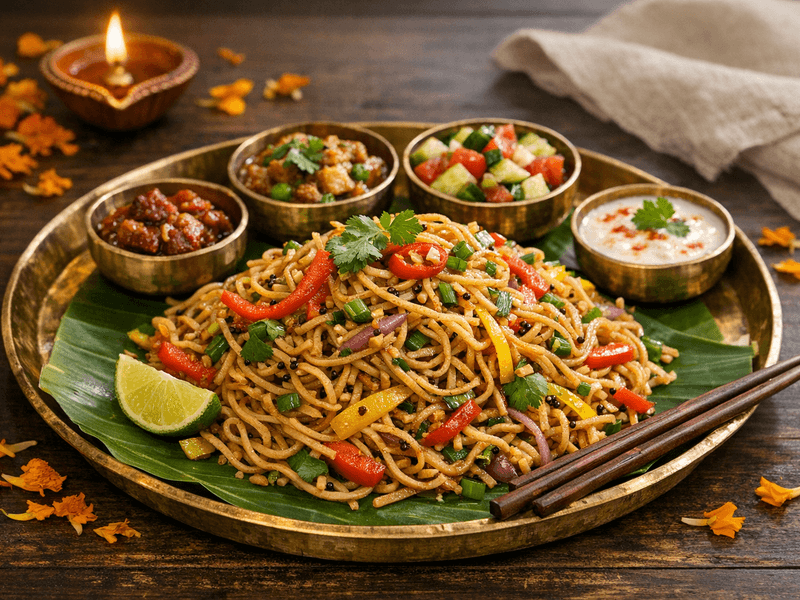
Multigrain Noodles are a modern twist on traditional Indian noodles, blending various grains such as atta (whole wheat), jowar (sorghum), bajra (pearl millet), and besan (gram flour) to create a nutritious, fiber-rich meal. This dish has gained popularity across urban India, especially among health-conscious families and those seeking alternatives to maida-based noodles. Multigrain noodles are easy to prepare and offer a wholesome taste, making them a favorite for lunchboxes, quick dinners, or festive gatherings like Holi, when light yet flavorful meals are preferred. The use of local grains reflects India's agricultural diversity and brings regional flavors to the forefront. Vegetables such as capsicum (shimla mirch), carrots (gajar), and beans add vibrant colors and crunch, while classic Indian seasonings like jeera (cumin), hing (asafoetida), and garam masala deliver depth and aroma. Unlike traditional noodles, multigrain noodles are lighter on the stomach, making them ideal for those watching their calorie intake. This recipe is also adaptable for vegan and diabetic diets, aligning with contemporary Indian nutritional trends.
Ingredients(for 1 medium bowl per person)
- 120 grams Multigrain noodles (atta, jowar, bajra, besan blend)
- 1 medium Carrot (gajar) (julienned)
- 1 small Capsicum (shimla mirch) (sliced)
- 10 French beans (chopped)
- 1 small Onion (pyaz) (thinly sliced)
- 2 Garlic cloves (lehsun) (finely chopped)
- 1 inch Ginger (adrak) (grated)
- 1 tablespoon Oil (preferably olive or mustard oil)
- 1/2 teaspoon Jeera (cumin seeds)
- a pinch Hing (asafoetida) - optional
- to taste Salt
- 1/4 teaspoon Garam masala - optional
- 1 Green chilli (finely chopped) - optional
- 1 tablespoon Coriander leaves (dhaniya) (chopped for garnish)
Instructions
- 1
Boil multigrain noodles in ample water with a pinch of salt until just cooked (al dente). Drain and rinse with cold water to stop cooking.
7 minutes
Do not overcook; multigrain noodles can become mushy quickly.
- 2
Heat oil in a tawa or kadhai. Add jeera and hing. Sauté until jeera splutters.
2 minutes
Use mustard oil for a stronger regional flavor.
- 3
Add ginger, garlic, and onion. Sauté until onions turn translucent.
3 minutes
Ginger and garlic enhance digestion and flavor.
- 4
Add carrots, beans, capsicum, and green chilli. Stir-fry on high flame until veggies are crisp yet cooked.
5 minutes
Keep vegetables crunchy for better texture and nutrition.
Why This Dish is Healthy
This dish replaces refined flour with whole grains, lowering the glycemic index and boosting fiber. Minimal oil and plenty of vegetables make it heart-friendly and suitable for diabetics and those seeking weight loss. Each serving provides balanced macros—protein, carbohydrates, and healthy fats—making it a smart choice for active individuals, families, and those following a vegetarian diet.
Multigrain noodles are packed with complex carbohydrates, protein, and dietary fiber. Whole grains like atta, jowar, and bajra are rich in B vitamins, magnesium, and iron, supporting energy and metabolism. Besan adds protein and micronutrients, while vegetables supply antioxidants, vitamins A and C. This combination helps regulate blood sugar, aids digestion, and keeps you feeling full longer, making it ideal for weight management.
Pro Tips
- 💡Tip 1: Use fresh, seasonal vegetables for best flavor and nutrition.
- 💡Tip 2: Do not overcook noodles; rinse with cold water immediately to prevent stickiness.
- 💡Tip 3: Add a dash of lemon juice before serving for enhanced taste and iron absorption.
Storage & Serving
Store cooked noodles in an airtight container in the refrigerator for up to 2 days. Reheat on tawa with a splash of water to retain moisture. Avoid freezing, as texture may change.
Best served: Breakfast or Lunch
Nutrition Facts
| Nutrient | Per 100g |
|---|---|
| Energy | 320.0 kcal |
| Protein | 11.0 g |
| Carbohydrates | 54.0 g |
| Total Fat | 7.0 g |