Vegetable Ragi Noodles
Lunch • India
How to Make Vegetable Ragi Noodles (Traditional & Healthy Version)
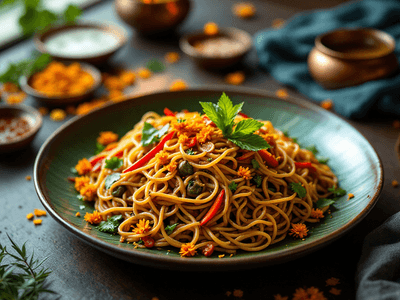
Vegetable Ragi Noodles is a wholesome and nutritious lunch option inspired by South Indian cuisine, incorporating the goodness of ragi (finger millet) with fresh vegetables. Ragi, known as nachni in Maharashtra and Karnataka, is a staple grain in many parts of southern India, especially during monsoon and harvest festivals like Sankranti. The earthy flavor of ragi blends beautifully with crunchy veggies, making this dish both satisfying and healthy. With the rising awareness about millets and their health benefits across India, ragi noodles have become a popular choice for those seeking traditional yet modern meals. This dish is ideal for families seeking a low-calorie, high-fiber lunch. It combines the nutty taste of ragi with vibrant vegetables such as carrots, capsicum, and beans, making it appealing for both adults and children. The mild spices and the use of minimal oil ensure that Vegetable Ragi Noodles stays light on the stomach, perfect for summer lunches or as a festive treat during regional celebrations. Its versatility allows it to be adapted for various dietary needs, including vegan and diabetic-friendly versions. Vegetable Ragi Noodles represents the innovative spirit of Indian cuisine—blending ancient grains with contemporary cooking styles. Served hot, it offers a comforting meal that’s rich in flavor, nutrition, and cultural significance. Whether enjoyed during festivals or as a daily lunch, it brings together health and tradition in every bite.
Ingredients(for 1 bowl (approx. 200g))
- 1 cup Ragi flour (finger millet/ nachni atta) (nachni atta)
- 1/4 cup Wheat flour (atta) (for binding)
- 1/2 cup Carrot (finely julienned)
- 1/2 cup Capsicum (shimla mirch) (thinly sliced)
- 1/4 cup French beans (finely chopped)
- 1 small Onion (sliced)
- 1 teaspoon Ginger-garlic paste (adrak-lehsun)
- 1 Green chillies (finely chopped)
- to taste Salt (namak)
- 1 tablespoon Oil (preferably sesame or groundnut)
- as needed Water (for dough and boiling)
- 1 tablespoon Fresh coriander leaves (dhaniya, chopped) - optional
- 1 teaspoon Lemon juice (nimbu) - optional
Instructions
- 1
Combine ragi flour and wheat atta in a bowl. Add a pinch of salt and slowly pour in water to form a soft, non-sticky dough.
5 minutes
Cover dough with a damp cloth to prevent drying.
- 2
Divide dough into small portions. Roll each portion into thin sheets using a belan (rolling pin), then cut into noodle-like strips.
5 minutes
Dust with dry atta to prevent sticking while rolling.
- 3
Boil water in a large vessel, add a pinch of salt and 1/2 teaspoon oil. Drop the ragi noodles into boiling water and cook for 2-3 minutes till they float.
5 minutes
Do not overcook; ragi noodles turn mushy quickly.
- 4
Drain noodles and rinse under cold water to stop cooking. Set aside.
2 minutes
Use a colander for easy draining.
Why This Dish is Healthy
Using ragi as the main ingredient makes this recipe low in glycemic index, supporting stable blood sugar levels. Minimal oil and an abundance of vegetables boost fiber and vitamin intake, making it weight-loss friendly. The absence of refined flour and the inclusion of whole grains ensure sustained energy and easy digestion, perfect for those looking for healthy Indian lunch recipes.
Vegetable Ragi Noodles is packed with essential nutrients. Ragi is rich in calcium, iron, and dietary fiber, making it ideal for bone health and digestion. The vegetables add vitamins A, C, and antioxidants. This dish is low in fat, provides moderate protein from wheat and veggies, and has complex carbohydrates, keeping you full for longer. It supports heart health and is gluten-reduced compared to regular noodles.
Pro Tips
- 💡Tip 1: Use freshly ground ragi atta for the best texture and flavor.
- 💡Tip 2: Add vegetables in batches to maintain crunch and color.
- 💡Tip 3: If making in advance, keep noodles and veggies separate and toss just before serving.
Storage & Serving
Store leftover noodles in an airtight container in the refrigerator for up to 2 days. Reheat on a tawa with a splash of water to restore moisture.
Best served: Breakfast or Lunch
Nutrition Facts
| Nutrient | Per 100g |
|---|---|
| Energy | 220.0 kcal |
| Protein | 3.0 g |
| Carbohydrates | 22.0 g |
| Total Fat | 2.0 g |
| Fiber | 3.0 g |