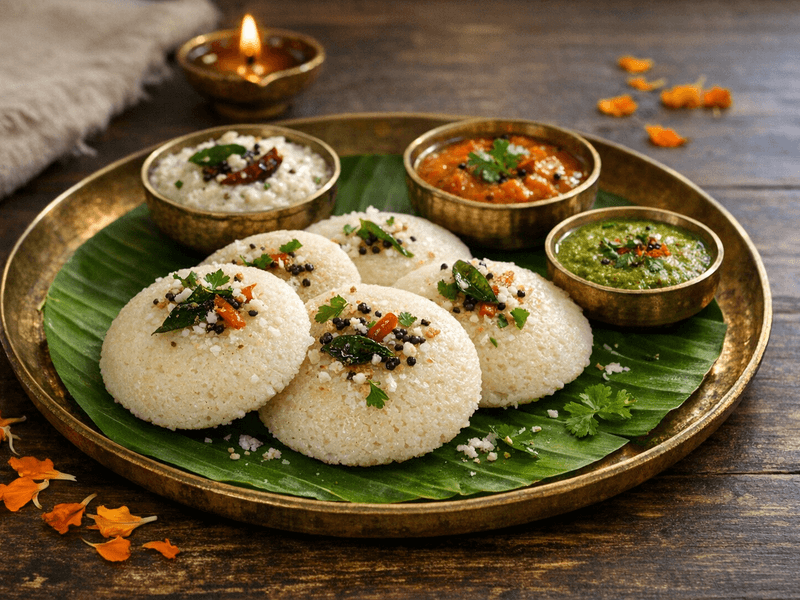
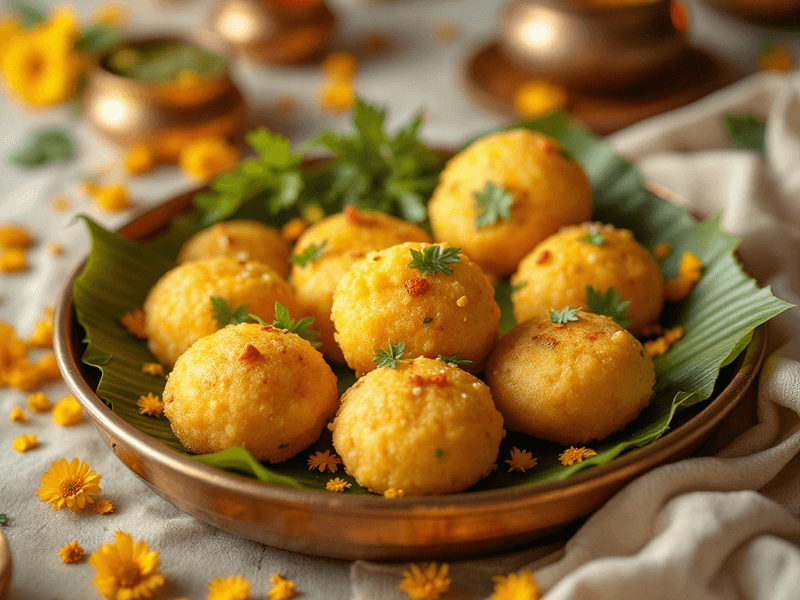
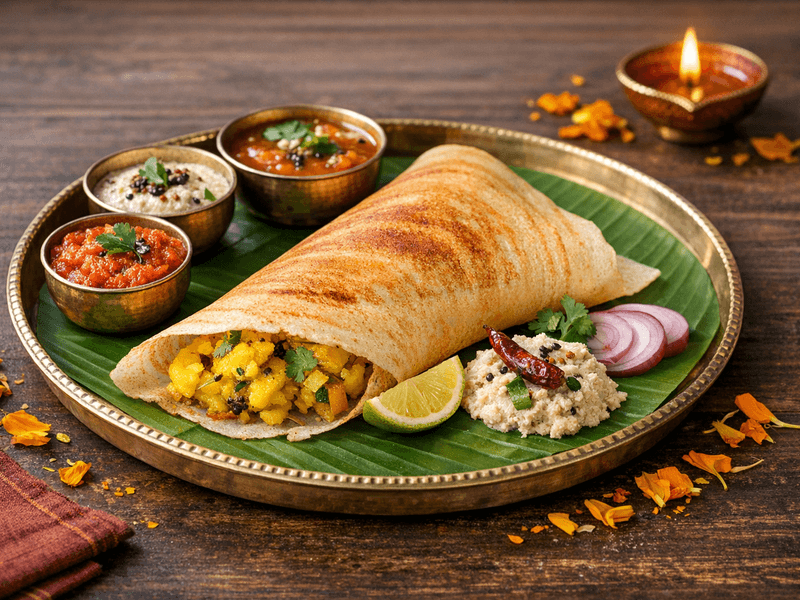
📸 Image coming soon for South Indian Onion Chutney
South Indian Onion Chutney
Lunch • India
How to Make South Indian Onion Chutney (Traditional & Healthy Version)
South Indian Onion Chutney, known as Vengaya Chutney in Tamil Nadu, is a staple accompaniment in South Indian households. This flavorful chutney is made from sautéed onions, red chillies, lentils, and aromatic tempering, offering a tantalizing blend of sweet, spicy, and tangy notes. Traditionally served with idli, dosa, uttapam, or even steamed rice, onion chutney is beloved for its bold flavors and versatility. The origins of onion chutney trace back to Tamil and Telugu cuisines, where it is often prepared for breakfast or lunch. Its robust taste and quick preparation make it a favorite during busy weekdays and special occasions alike. Onion chutney is not only a delicious side dish but also packs essential nutrients, making it a healthier alternative to coconut or peanut-based chutneys. In India, chutneys are an integral part of the meal, celebrated for enhancing taste and aiding digestion. South Indian Onion Chutney stands out for its simplicity, minimal oil usage, and the unique depth of flavor it brings to traditional tiffin meals. It is especially popular during festivals like Pongal and Navratri, when families look for tasty yet wholesome accompaniments. This homemade onion chutney recipe is easy to prepare, requires basic pantry ingredients, and is a great way to add a nutritious punch to your plate.
Ingredients(for 2 tablespoons per serving)
- 2 medium (finely sliced) Onion (Vengayam (Tamil))
- 3-4 Dry red chillies (Lal mirch)
- 1 tablespoon Urad dal (Split black gram)
- 1/2 teaspoon Tamarind (Imli)
- to taste Salt
- 1 teaspoon Oil (Prefer sesame (gingelly) oil for authenticity)
- 1/2 teaspoon Mustard seeds (Rai)
- 6-8 Curry leaves (Kadi patta)
- 1 pinch Asafoetida (Hing) - optional
- 1/2 teaspoon Jaggery (Gur, optional for mild sweetness) - optional
Instructions
- 1
Heat 1/2 teaspoon oil in a kadhai or heavy pan on medium flame. Add urad dal and fry until golden brown and aromatic.
3 minutes
Keep flame medium to avoid burning the dal.
- 2
Add dry red chillies and sauté until they puff up. Remove and set aside with the fried dal.
2 minutes
Adjust number of chillies for desired spice level.
- 3
In the same pan, add remaining oil and sliced onions. Sauté until onions turn soft and light golden brown.
7 minutes
The longer you sauté, the sweeter and richer the chutney.
- 4
Add tamarind, salt, and optional jaggery. Mix well and cook for 1 minute to blend flavors.
1 minute
Jaggery balances the spice and acidity.
Why This Dish is Healthy
Onion Chutney is a healthy Indian condiment because it uses basic, whole ingredients with no preservatives. The dish is low in saturated fat, high in fiber, and offers antioxidants from onions and spices. Since it uses less oil than traditional chutneys and no coconut, it supports weight management. The combination of urad dal and onions helps regulate blood sugar, making it a smart choice for those watching carbs or aiming for balanced nutrition.
South Indian Onion Chutney is low in calories and contains no added sugar, making it suitable for calorie-conscious diets. Onions are rich in antioxidants like quercetin, vitamins C and B6, and minerals such as potassium. Urad dal adds a touch of plant-based protein and dietary fiber, supporting gut health. Curry leaves and mustard seeds contribute essential micronutrients. Minimal oil usage keeps fat content in check, while tamarind provides natural tartness without excess calories. This chutney is naturally gluten-free and can be made vegan.
Pro Tips
- 💡Tip 1: Sauté onions slowly to enhance sweetness and reduce raw flavor.
- 💡Tip 2: Use sesame (gingelly) oil for authentic South Indian taste.
- 💡Tip 3: Add a small piece of garlic for extra depth if desired.
Storage & Serving
Store onion chutney in an airtight container in the refrigerator for up to 3 days. Always use a clean spoon to prevent spoilage. For longer shelf life, avoid adding water during grinding and increase oil slightly.
Best served: Breakfast or Lunch
Nutrition Facts
| Nutrient | Per 100g |
|---|---|
| Energy | 60.0 kcal |
| Protein | 2.0 g |
| Carbohydrates | 10.0 g |
| Total Fat | 7.0 g |
| Fiber | 2.0 g |