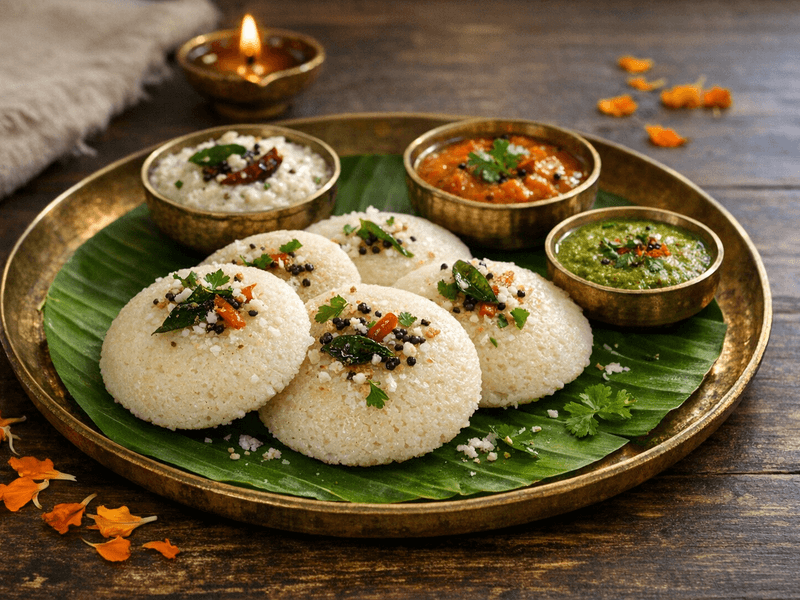
📸 Image coming soon for Peanut Sundal (vrat)
Peanut Sundal (vrat)
Lunch • India
How to Make Peanut Sundal (vrat) – Traditional & Healthy Version
Peanut Sundal (also known as Verkadalai Sundal in Tamil) is a wholesome South Indian dish enjoyed especially during vrat (fasting) days and Navaratri festivities. This savory snack, made from boiled peanuts tossed with simple spices and fresh coconut, is not only a protein-rich option but also a quick, nutritious dish that fits perfectly into a health-conscious Indian diet. Its origins lie in the southern states of Tamil Nadu and Karnataka, where Sundal is a staple prasadam (offering) during various Hindu festivals, particularly Navaratri, when different types of Sundal are prepared and distributed as part of the celebrations. The taste of Peanut Sundal is a delightful symphony of nutty, mildly spicy, and aromatic coconut flavors. The addition of curry leaves, mustard seeds (rai), and green chilies imparts a classic South Indian touch, making it irresistibly fragrant and light on the palate. It is often served as a mid-day snack or as part of a vrat meal, providing satiety and balanced nutrition. Since it doesn’t use onion or garlic, it adheres to the traditional fasting guidelines followed in many Indian households. With its easy preparation and minimal ingredients, Peanut Sundal stands out as a nutritious, flavorful, and culturally significant dish that celebrates the essence of South Indian temple cuisine.
Ingredients(for 1 medium bowl (approx. 100g cooked peanuts per serving))
- 1 cup Raw peanuts (mungfali (with skin preferred))
- 1/4 cup Fresh grated coconut (nariyal)
- 8-10 Curry leaves (kadi patta)
- 1-2 Green chilies (hari mirch, slit)
- 1/2 tsp Mustard seeds (rai)
- 1/2 tsp Cumin seeds (jeera)
- a pinch Asafoetida (hing, skip for gluten-free) - optional
- 1 tsp Oil (cold-pressed coconut or groundnut oil)
- to taste Salt (sendha namak for vrat)
- 1 tsp Lemon juice (nimbu ras, optional) - optional
Instructions
- 1
Rinse raw peanuts thoroughly and soak them in enough water for at least 2-3 hours (or overnight for best results).
5 minutes
Soaking ensures even cooking and enhances digestibility.
- 2
Drain soaked peanuts and pressure cook with fresh water and a pinch of salt for 3-4 whistles until soft but not mushy.
10 minutes
Do not overcook; peanuts should retain their shape.
- 3
Heat oil in a kadhai or heavy pan. Add mustard seeds. Once they splutter, add cumin seeds, curry leaves, green chilies, and a pinch of hing (if using). Sauté for 1 minute.
3 minutes
Tempering (tadka) releases aromatic flavors essential to Sundal.
- 4
Add the boiled, drained peanuts to the pan. Toss well to coat with tempered spices.
2 minutes
Ensure all peanuts are evenly mixed with the tadka for balanced taste.
Why This Dish is Healthy
This traditional Peanut Sundal recipe is a healthy choice because it is high in protein, rich in good fats, and low in processed ingredients. It is made using whole, unrefined foods and cooked with very little oil. The absence of onion, garlic, and refined grains makes it suitable for fasting and easy on the stomach. The dish supports energy levels, muscle repair, and provides a sustained release of energy thanks to its balanced macros.
Peanut Sundal is an excellent source of plant-based protein, healthy fats, and dietary fiber. Peanuts provide essential nutrients like manganese, folate, niacin, and vitamin E, while coconut adds beneficial medium-chain triglycerides and minerals. The use of minimal oil and spices keeps the calorie count moderate, supporting heart health and satiety. Curry leaves and mustard seeds offer antioxidants and aid digestion. This dish is naturally gluten-free (if hing is omitted or gluten-free variety is used) and can be adapted to suit vegan diets.
Pro Tips
- 💡Tip 1: Use freshly grated coconut for authentic flavor and texture.
- 💡Tip 2: Always soak peanuts before cooking for best results and easier digestion.
- 💡Tip 3: For vrat, ensure all ingredients like oil and salt are vrat-approved (use sendha namak).
Storage & Serving
Peanut Sundal is best consumed fresh but can be stored in an airtight container in the refrigerator for up to 1 day. Reheat gently before serving to restore flavors. Avoid freezing as the coconut may alter in texture.
Best served: Breakfast or Lunch
Nutrition Facts
| Nutrient | Per 100g |
|---|---|
| Energy | 180.0 kcal |