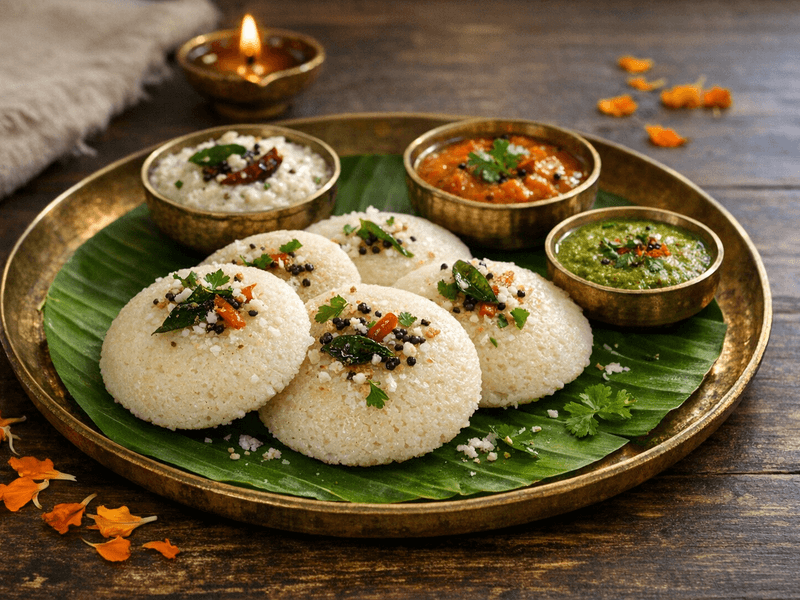
📸 Image coming soon for Navratri Curd Rice
Navratri Curd Rice
Lunch • India
How to Make Navratri Curd Rice (Traditional & Healthy Version)
Navratri Curd Rice, known locally as Thayir Sadam, is a cherished South Indian dish, especially popular during Navratri when many households observe vrat (fasting) or prepare sattvic foods. With its cooling effect, creamy texture, and gentle spices, this dish is ideal for the warm Indian climate and is a staple in Tamil Nadu, Andhra Pradesh, and Karnataka. It’s often served as a prasadam (offering) during festivals, symbolizing purity and simplicity. This healthy curd rice recipe is specially adapted for Navratri, using vrat-friendly ingredients like samak chawal (barnyard millet) instead of regular rice, making it gluten-free and suitable for fasting. The combination of dahi (yogurt), cooked millet, and mild tempering delivers a delightful blend of flavors and a comforting, satiating meal. It is a fantastic option for lunch, especially when you want something light, cooling, and packed with nutrients. The subtle use of ginger, green chilli, and curry leaves gives it a unique South Indian aroma, while the pomegranate adds a touch of sweetness and festive color. Enjoy the authentic taste of South India with this nutritious and easy-to-digest Navratri special curd rice.
Ingredients(for 1 medium bowl (approx. 200g))
- 1/2 cup Samak chawal (barnyard millet) (sama ke chawal, vrat-friendly)
- 1 cup Dahi (curd/yogurt) (fresh and thick)
- 1 cup Water (for cooking millet)
- as per taste Rock salt (sendha namak) (used during Navratri)
- 1 tsp Grated ginger (adrak)
- 1 small, finely chopped Green chilli (hari mirch)
- 5-6 Curry leaves (kadi patta)
- 1/2 tsp Cumin seeds (jeera)
- 1 tsp Ghee (for tempering)
- 2 tbsp Pomegranate seeds (anar dana, for garnish) - optional
- 1 tbsp, chopped Fresh coriander (dhaniya patta) - optional
Instructions
- 1
Rinse the samak chawal thoroughly and soak in water for 10 minutes. Drain and keep aside.
10 minutes
Soaking helps the millet cook faster and evenly.
- 2
In a heavy-bottomed pan, add soaked millet and 1 cup water. Cook on medium flame until soft and water is absorbed (about 12-15 minutes). Let it cool slightly.
15 minutes
Do not overcook; grains should be soft but separate.
- 3
In a mixing bowl, whisk the dahi until smooth. Add cooled millet and mix gently. Adjust consistency with a little water or more curd, as desired.
3 minutes
Ensure millet is not hot; otherwise, curd may split.
- 4
Heat ghee in a small tadka pan. Add cumin seeds, let them splutter. Add chopped ginger, green chilli, and curry leaves. Sauté for 1 minute.
2 minutes
Temper the spices on low flame to avoid burning.
Why This Dish is Healthy
This dish is a wholesome, low-calorie meal ideal for those seeking a healthy Indian lunch option. It uses barnyard millet instead of white rice, significantly reducing the glycemic load and making it suitable for weight management and blood sugar control. Minimal oil, the use of probiotic-rich dahi, and natural spices make it heart-friendly and light on the system. It’s naturally vegetarian, gluten-free, and can be adapted for various dietary needs, making it a versatile, nutritious choice for the whole family.
Navratri Curd Rice is packed with high-quality protein from dahi and complex carbohydrates from barnyard millet. Millet is a gluten-free grain, rich in fiber, magnesium, and B vitamins, making it gentle on the stomach and beneficial for digestive health. Yogurt provides probiotics for gut health, calcium for strong bones, and essential amino acids. The tempering uses minimal ghee and includes curry leaves and ginger, which are known for their anti-inflammatory and digestive properties. The addition of pomegranate seeds brings antioxidants, vitamins, and a touch of natural sweetness.
Pro Tips
- 💡Tip 1: Always use fresh, thick dahi for the best creamy texture.
- 💡Tip 2: Let the millet cool before adding curd to prevent splitting.
- 💡Tip 3: Add pomegranate seeds just before serving to retain crunch and color.
Storage & Serving
Store in an airtight container in the refrigerator for up to 24 hours. Mix well before serving, and add a little fresh curd if it thickens upon chilling.
Best served: Breakfast or Lunch
Nutrition Facts
| Nutrient | Per 100g |
|---|---|
| Energy | 240.0 kcal |