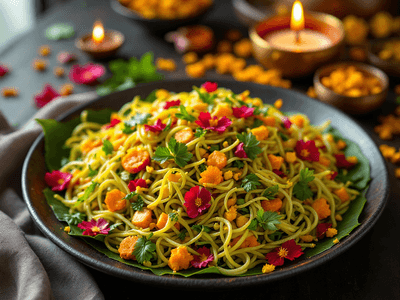
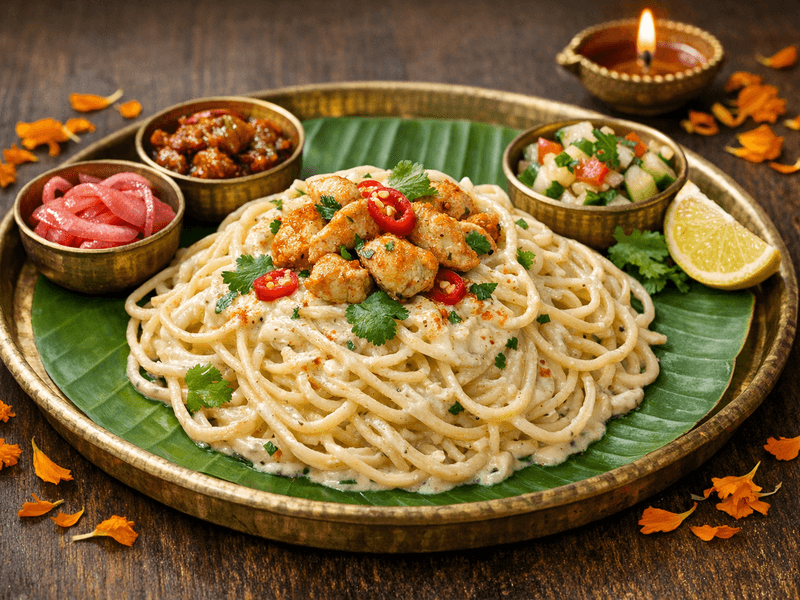
📸 Image coming soon for Malaysian Assam Laksa
Malaysian Assam Laksa
Lunch • India
How to Make Malaysian Assam Laksa (Traditional & Healthy Version)
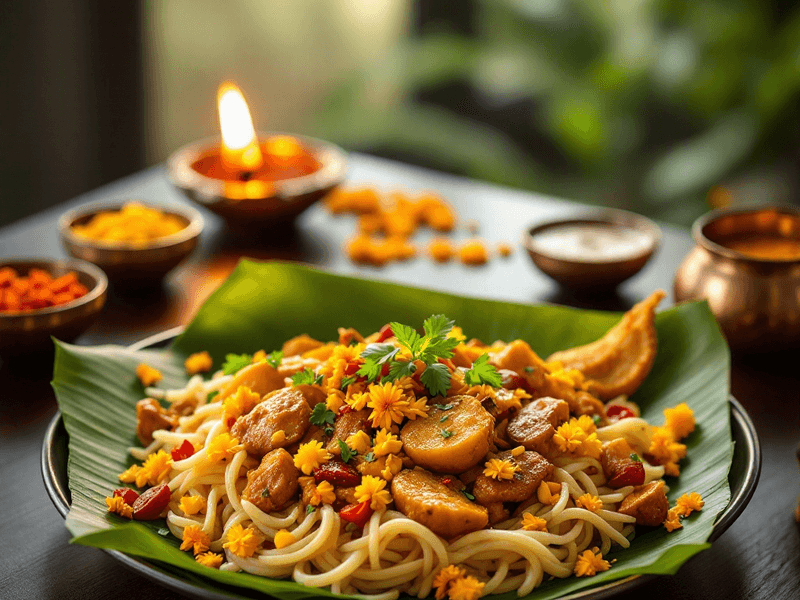
Malaysian Assam Laksa is a tangy, spicy noodle soup that has found a place in the hearts of Indian food lovers, especially in regions with a taste for bold flavors. Though its origins are Malaysian, Assam Laksa is now embraced in India’s cosmopolitan cities like Mumbai and Bengaluru, where Southeast Asian cuisine is celebrated. The dish features rice noodles (chawal seviyan), a fragrant broth made from tamarind (imli), fresh vegetables, and aromatic spices. Its vibrant flavors and light texture make it a perfect lunch option, especially during the monsoon or festive gatherings when tangy, warming foods are preferred. Assam Laksa’s taste profile is a harmonious blend of sour, spicy, and mildly sweet notes, reminiscent of Indian chaats. The broth is elevated with imli, ginger (adrak), and fresh herbs such as pudina, making it both refreshing and satisfying. In India, vegetarian versions are popular for Navratri, when meat is avoided. The dish is often garnished with crunchy onions (pyaz), cucumber (kheera), and coriander (dhaniya), adding texture and nutrition. Its light yet fulfilling nature suits calorie-conscious eaters and those seeking a flavorful, wholesome midday meal.
Ingredients(for 1 medium bowl per serving)
- 100 grams Rice noodles (chawal seviyan) (gluten-free option)
- 1/2 cup Tamarind pulp (imli) (soaked and strained)
- 3 cups Vegetable broth (homemade or store-bought)
- 1 medium Onion (pyaz) (thinly sliced)
- 1/2 Cucumber (kheera) (julienned) - optional
- 1 Red chilli (lal mirch) (finely chopped) - optional
- 1 inch Ginger (adrak) (grated)
- 1/4 cup Mint leaves (pudina) (fresh, chopped)
- 1/4 cup Coriander leaves (dhaniya) (fresh, chopped)
- to taste Salt
- 1 tsp Jaggery (gur) (optional, for mild sweetness) - optional
- 1 tbsp Lemon juice (for extra tang) - optional
Instructions
- 1
Soak the rice noodles (chawal seviyan) in hot water for 5 minutes until soft. Drain and set aside.
5 minutes
Do not over-soak to maintain noodle texture.
- 2
Prepare the broth by heating vegetable broth in a patila (deep pan). Add tamarind pulp (imli), grated ginger (adrak), and salt. Bring to a gentle simmer.
5 minutes
Use homemade broth for richer taste.
- 3
Add sliced onions (pyaz), red chilli (lal mirch), and jaggery (gur) to the simmering broth. Cook until onions turn translucent.
5 minutes
Adjust chillies for desired spice level.
- 4
Stir in mint (pudina) and coriander (dhaniya) leaves. Let the flavors infuse for another 3 minutes.
3 minutes
Add herbs at the end to retain freshness.
Why This Dish is Healthy
This vegetarian Assam Laksa is a healthy lunch option because it balances macronutrients with plenty of micronutrients. It is low in fat, contains fresh vegetables and herbs, and is naturally gluten-free when using rice noodles. The tangy imli broth helps stimulate appetite and aids digestion, making it ideal for those tracking calories or aiming for weight management. Its high fiber content keeps you full for longer, reducing unhealthy snacking.
Malaysian Assam Laksa is rich in dietary fiber from vegetables, antioxidants from herbs like pudina and dhaniya, and vitamin C from lemon and cucumber. Rice noodles provide energy through complex carbohydrates, while the tamarind base offers minerals like magnesium and potassium. The dish is low in saturated fat and cholesterol, making it heart-friendly. Using vegetable broth instead of oil-based soups keeps the calorie count lower. The inclusion of ginger supports digestion, and jaggery adds trace minerals.
Pro Tips
- 💡Tip 1: Use fresh tamarind pulp for authentic tanginess.
- 💡Tip 2: Add herbs just before serving to preserve flavor and nutrients.
- 💡Tip 3: Customize spice level by adjusting red chillies according to taste.
Storage & Serving
Store leftover broth and noodles separately in airtight containers in the refrigerator for up to 2 days. Reheat broth and assemble fresh before serving.
Best served: Lunch
Nutrition Facts
| Nutrient | Per 100g |
|---|---|
| Energy | 420.0 kcal |
| Protein | 3.0 g |
| Carbohydrates | 15.0 g |
| Total Fat | 2.0 g |
| Fiber | 1.0 g |