Kesari Bath
Lunch • India
How to Make Kesari Bath (Traditional & Healthy Version)
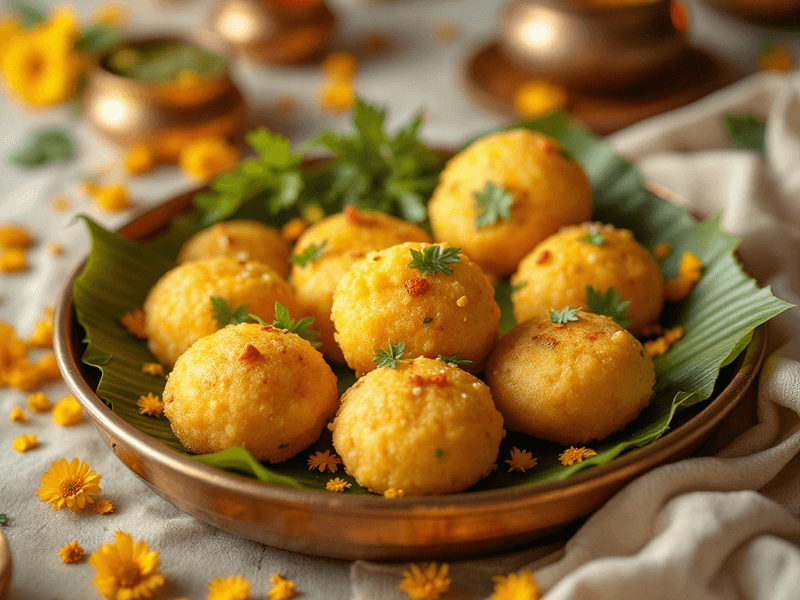
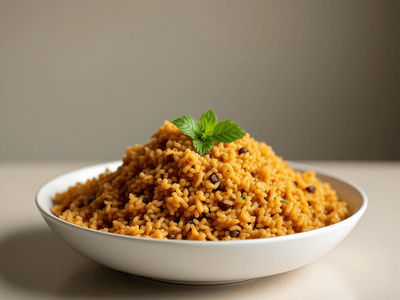
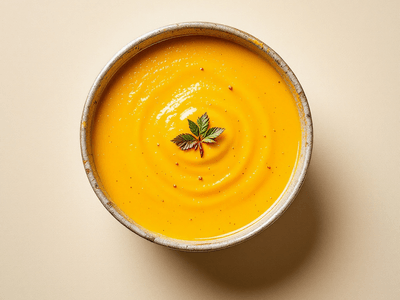
Kesari Bath, a classic South Indian sweet dish, is renowned for its vibrant saffron hue and melt-in-the-mouth texture. Traditionally prepared with rava (semolina), ghee, sugar, and aromatic spices, Kesari Bath is a staple during festive occasions such as Ugadi, Diwali, and special family gatherings. Its name 'Kesari' comes from the use of kesar (saffron), which imparts a royal color and subtle fragrance. Enjoyed across Karnataka, Tamil Nadu, and Andhra Pradesh, Kesari Bath is often served as a part of elaborate lunch thalis, temple prasadam, or as a quick celebratory treat. The taste of Kesari Bath is a delightful balance of sweetness, nutty richness from ghee, and gentle spice notes from cardamom and saffron. The addition of roasted cashews and raisins adds layers of flavor and texture. While it is a festive indulgence, Kesari Bath can also be made health-conscious by moderating the ghee and sugar, making it suitable for calorie-conscious food lovers. Its comforting warmth and inviting aroma make it a favorite, whether served hot for breakfast or as a dessert after lunch. In Indian households, Kesari Bath embodies celebration and togetherness, often marking auspicious beginnings and joyous moments. The recipe’s simplicity and adaptability make it a cherished dish, and with a few mindful tweaks, it can fit into a balanced vegetarian diet without compromising on authentic taste.
Ingredients(for 1 medium bowl (approximately 150g))
- 1/2 cup Rava (semolina/suji) (fine suji)
- 1/3 cup Sugar (adjust to taste)
- 2 tablespoons Ghee (clarified butter)
- 1.5 cups Water
- 1 tablespoon Cashews (kaju, chopped)
- 1 tablespoon Raisins (kishmish)
- 1/4 teaspoon Cardamom powder (elaichi)
- 10-12 strands Saffron strands (kesar)
- 2 tablespoons Milk (optional, for soaking saffron) - optional
- a pinch Salt - optional
Instructions
- 1
Soak saffron strands in warm milk for 5-10 minutes to extract color and aroma.
5 minutes
Use freshly boiled milk for best saffron infusion.
- 2
Heat 1 tablespoon ghee in a kadhai. Add cashews and raisins, fry till golden. Remove and set aside.
3 minutes
Keep flame low to avoid burning dry fruits.
- 3
In the same kadhai, add remaining ghee and roast rava (suji) on a medium flame till aromatic and slightly golden.
5 minutes
Stir continuously for even roasting and to prevent lumps.
- 4
Add water slowly, stirring to prevent lumps. Cook till rava absorbs water and becomes soft.
5 minutes
Add water in batches for smoother texture.
Why This Dish is Healthy
This healthy Kesari Bath recipe uses limited ghee and sugar, making it suitable for those tracking calories. By roasting rava thoroughly and using dry fruits for sweetness, it offers a lower-calorie alternative to traditional versions. The dish is vegetarian, easily digestible, and rich in micronutrients, making it a guilt-free festive treat. Ideal for lunch, it fits well into balanced Indian diets.
Kesari Bath provides a balanced energy boost, thanks to rava's complex carbohydrates and the healthy fats from ghee and nuts. Cashews and raisins offer dietary fiber, iron, and antioxidants. The inclusion of saffron imparts not just color but also beneficial compounds with anti-inflammatory properties. Cardamom aids digestion, making this dish a wholesome option. Moderating sugar and ghee keeps saturated fat and calories within check, supporting a health-conscious lifestyle.
Pro Tips
- 💡Tip 1: Roast rava evenly for a non-sticky, fluffy Kesari Bath.
- 💡Tip 2: Adjust sugar and ghee according to personal health needs.
- 💡Tip 3: Soak saffron properly to extract maximum color and aroma.
Storage & Serving
Store Kesari Bath in an airtight container in the refrigerator for up to 2 days. Reheat gently on a tawa with a splash of water or milk to restore softness. Avoid freezing, as texture may change.
Best served: Breakfast or Lunch
Nutrition Facts
| Nutrient | Per 100g |
|---|---|
| Energy | 260.0 kcal |