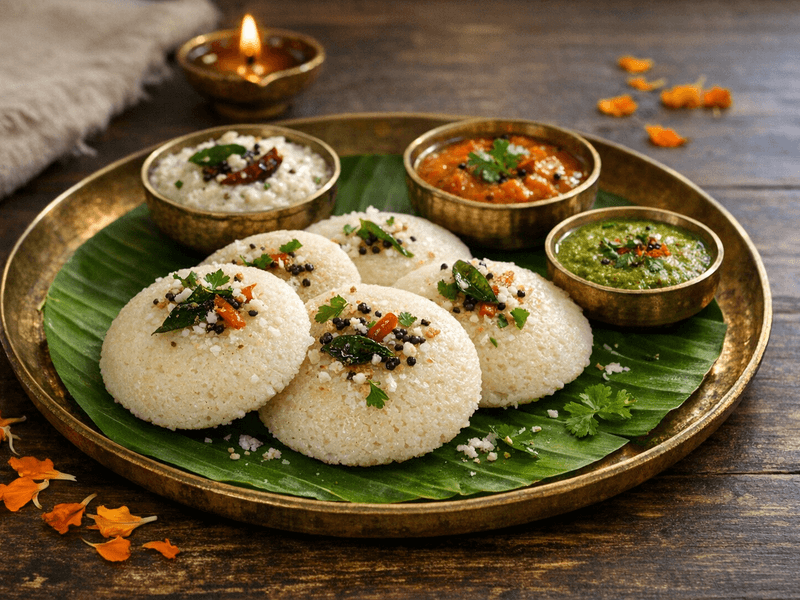
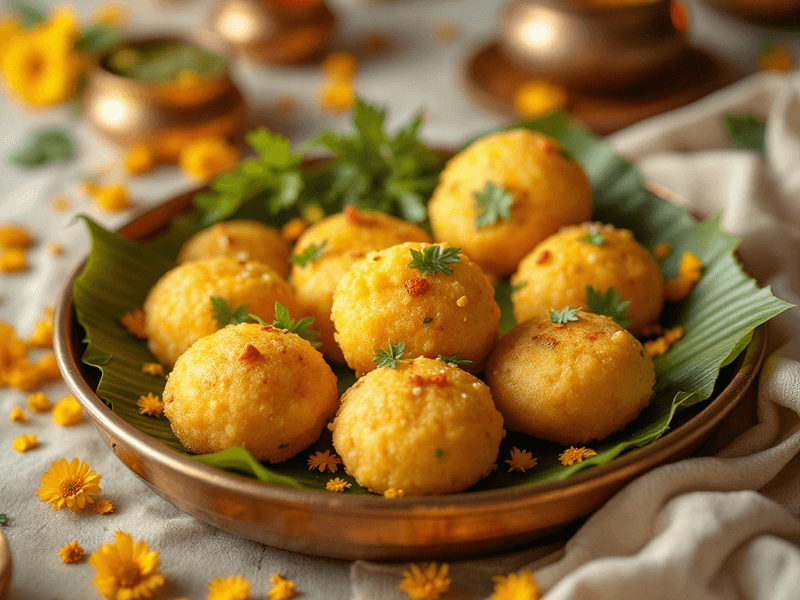
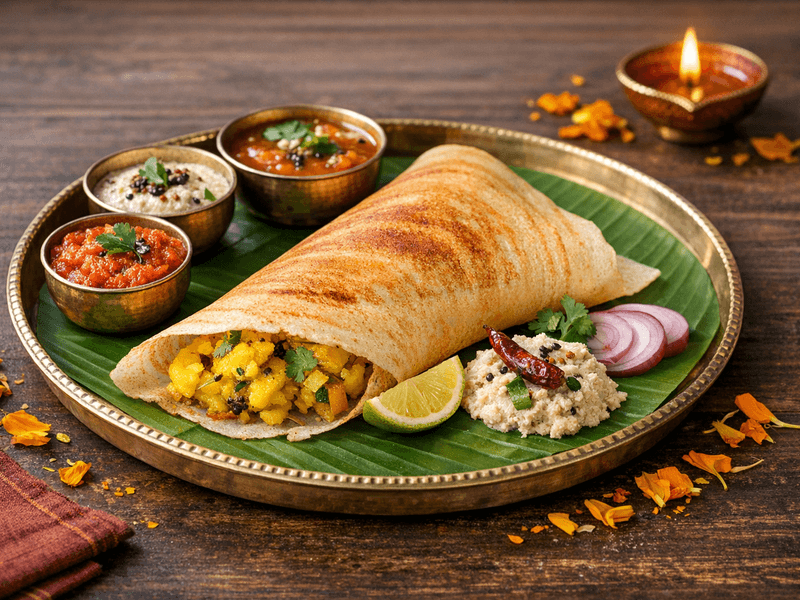
📸 Image coming soon for Curd Rice with Coconut Chutney
Curd Rice with Coconut Chutney
Lunch • India
How to Make Curd Rice with Coconut Chutney (Traditional & Healthy Version)
Curd Rice with Coconut Chutney, known regionally as 'Thayir Sadam' with 'Thengai Chutney', is a classic staple from South Indian cuisine. This soothing dish combines soft, cooked rice with creamy dahi (curd/yogurt), seasoned with a tempering of mustard seeds, curry leaves, and green chilies for a burst of flavor. Served with fresh coconut chutney, it is especially popular in Tamil Nadu, Andhra Pradesh, and Karnataka. The cooling properties of curd rice make it a perfect choice for hot Indian summers and it is often served during festivals like Tamil New Year and Onam, or as a prasadam (offering) in temples. The coconut chutney, made with freshly grated nariyal, adds a refreshing and nutty complement, enhancing the meal’s taste and texture. Curd Rice is cherished for its simplicity, comfort, and digestibility, making it an ideal lunch option for both children and adults. It’s also a go-to meal for those seeking a light yet satisfying dish that is easy on the stomach. The mild, tangy flavors appeal to all palates, while the protein from curd and fiber from rice offer balanced nutrition. With regional variations and festival associations, Curd Rice with Coconut Chutney holds a special place in South Indian homes and thalis.
Ingredients(for 1 medium bowl (approx. 250g))
- 1.5 cups Cooked Rice (short-grain rice (sona masuri or ponni))
- 1 cup Curd (Dahi) (fresh, thick yogurt)
- 1/4 cup Milk (to adjust consistency) - optional
- to taste Salt
- 1/2 tsp Ginger (grated (adrak)) - optional
- 1 Green Chili (finely chopped (hari mirch)) - optional
- 1/2 tsp Mustard Seeds (rai/sarson)
- 8-10 Curry Leaves (kadi patta)
- 1 tsp Oil (preferably cold-pressed coconut or groundnut oil)
- 1/2 cup Grated Coconut (fresh nariyal for chutney)
- 1 tbsp Roasted Chana Dal (fried gram, for chutney)
- 1 Green Chili (for chutney) (adjust to taste)
- 1/4 tsp Ginger (for chutney) - optional
- to taste Salt (for chutney)
- as needed Water (to grind chutney)
Instructions
- 1
Prepare 1.5 cups of cooked rice. Let it cool slightly so it’s warm but not hot.
5 minutes
Use sona masuri or ponni for best results.
- 2
Mash the rice gently with a spoon or clean hands for a soft texture.
2 minutes
Mashing helps the curd blend uniformly with the rice.
- 3
Add 1 cup of curd and 1/4 cup of milk. Mix well till creamy. Add salt to taste, grated ginger, and finely chopped green chili as preferred.
3 minutes
Add milk if the curd is too sour or to keep the rice moist for longer.
- 4
For tadka: Heat 1 tsp oil in a small tadka pan. Add mustard seeds and let them splutter. Add curry leaves and sauté for a few seconds. Pour this tempering over the curd rice and mix gently.
5 minutes
Add a pinch of hing (asafoetida) for extra flavor if desired.
Why This Dish is Healthy
This recipe uses minimal oil and relies on fresh, wholesome ingredients, making it naturally low in saturated fat. The probiotics in curd aid digestion, while coconut provides healthy fats that are heart-friendly. The inclusion of ginger, curry leaves, and mustard seeds not only enhances taste but also boosts immunity and anti-inflammatory benefits. It's a balanced dish, suitable for weight management and overall wellness.
Curd Rice is a powerhouse of probiotics from curd, essential for gut health and digestion. The dish offers a good balance of complex carbohydrates from rice and protein from curd, making it suitable for sustained energy release. Coconut chutney adds healthy fats and dietary fiber. Mustard seeds and curry leaves are rich in antioxidants and support metabolism. This meal also provides calcium, B vitamins, magnesium, and potassium, contributing to bone and muscle health.
Pro Tips
- 💡Tip 1: Use freshly set homemade dahi for the best probiotic benefits.
- 💡Tip 2: Add a splash of milk to prevent curd rice from turning sour if not served immediately.
- 💡Tip 3: For a festive touch, garnish with pomegranate seeds, grated carrots, or chopped coriander leaves.
Storage & Serving
Curd Rice should be consumed fresh for best flavor, but can be refrigerated in an airtight container for up to 24 hours. Coconut chutney is best eaten the same day; store leftovers in the fridge and consume within 8 hours to retain freshness.
Best served: Breakfast or Lunch
Nutrition Facts
| Nutrient | Per 100g |
|---|---|
| Energy | 330.0 kcal |