Coriander Coconut Chutney
Lunch • India
How to Make Coriander Coconut Chutney (Traditional & Healthy Version)
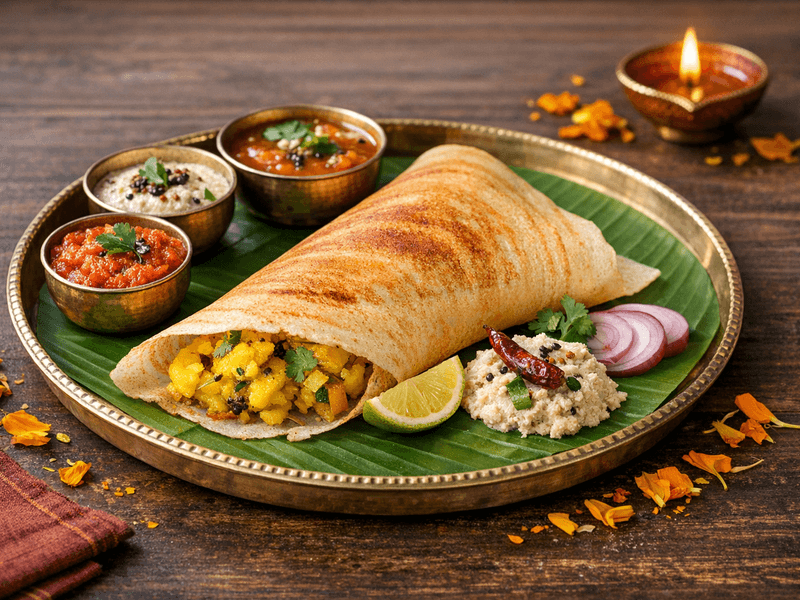
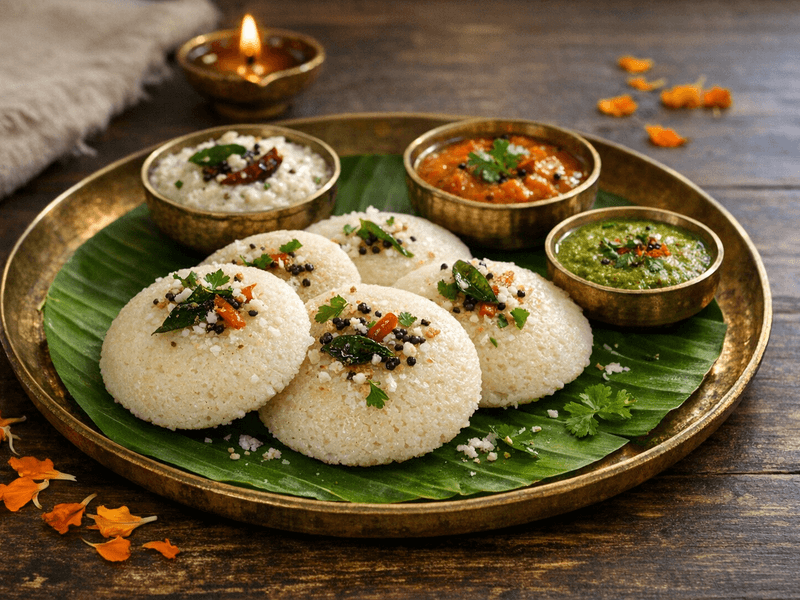
Coriander Coconut Chutney, known as 'dhaniya nariyal chutney', is a quintessential South Indian condiment that brightens up any meal with its vibrant color and zesty flavor. Originating from the southern states of India, especially Karnataka and Tamil Nadu, this chutney blends fresh coriander (dhaniya) leaves with tender coconut (nariyal), creating a refreshing accompaniment for dosas, idlis, vadas, and even steamed rice. Its aroma and taste evoke memories of family gatherings and festive occasions like Pongal and Ugadi, where chutneys play a vital role in traditional meals. This chutney is a health-conscious choice, offering a medley of nutrients from fresh herbs and coconut. It’s naturally vegetarian and can be made vegan by omitting curd. Unlike heavy gravies, Coriander Coconut Chutney is light, low in calories, and easy to digest, making it ideal for those tracking their daily intake. The recipe is simple, requires minimal cooking, and is perfect for lunchboxes or as a side dish for lunch. With its cooling effect and digestive benefits, it’s especially popular during warmer months in South India, where fresh chutneys are integral to the cuisine. The taste is a harmonious balance of freshness from coriander, creaminess from coconut, and a hint of spice from green chillies. Its versatility allows for regional tweaks, such as adding roasted chana dal or adjusting the tempering spices. Whether enjoyed during a festival or as part of a daily meal, Coriander Coconut Chutney adds a burst of flavor to your plate, celebrating the rich culinary heritage of India.
Ingredients(for About 3 tbsp per serving (ideal for lunch accompaniment))
- 1 cup Fresh coriander leaves (dhaniya) (cleaned and chopped)
- 3/4 cup Fresh grated coconut (nariyal) (tender coconut preferred)
- 1-2 Green chillies (hari mirch) (adjust to taste)
- 2 tbsp Roasted chana dal (daliya) (for thickness)
- 1/2 inch piece Ginger (adrak) (peeled)
- to taste Salt
- 1 tsp Lemon juice (nimbu ras) (for tanginess)
- 1 tbsp Curd (dahi) (optional, for creaminess) - optional
- 1/2 tsp Mustard seeds (rai) (for tempering)
- 6-8 Curry leaves (kadi patta) (for tempering)
- 1 tsp Oil (preferably coconut oil)
Instructions
- 1
Clean and chop the coriander leaves. Grate the fresh coconut (nariyal) and set aside.
5 minutes
Use tender coconut for a smoother chutney texture.
- 2
In a mixer jar, add coriander leaves, grated coconut, roasted chana dal, green chillies, ginger, salt, and lemon juice.
5 minutes
Add green chillies gradually to control the spice level.
- 3
Add a little water and blend to a smooth paste. Adjust water for desired consistency.
3 minutes
Do not add too much water; chutney should be thick yet spreadable.
- 4
If using curd, add it now and blend again for extra creaminess.
2 minutes
Curd enhances taste but skip for vegan version.
Why This Dish is Healthy
This chutney is a healthy addition to any lunch plate due to its low calorie content, high fiber, and good fats from coconut. It supports digestive health, provides essential vitamins and minerals, and is free from artificial ingredients. The use of fresh herbs and minimal oil ensures it aligns with modern healthy eating trends, making it ideal for weight management and diabetic-friendly diets.
Coriander Coconut Chutney is rich in dietary fiber, antioxidants, and healthy fats. Coriander leaves provide vitamin C, vitamin K, and minerals. Coconut offers medium-chain triglycerides (MCTs) and boosts good cholesterol. Roasted chana dal adds protein and fiber, aiding digestion and satiety. The addition of ginger and lemon juice enhances immunity. This chutney is naturally gluten-free and suitable for most diets, making it a nutritious choice for calorie-conscious individuals.
Pro Tips
- 💡Tip 1: Use tender coconut for a smooth, creamy texture.
- 💡Tip 2: Adjust green chillies based on your spice tolerance, especially for kids.
- 💡Tip 3: Prepare tempering just before serving to retain aroma and freshness.
Storage & Serving
Store in an airtight container in the refrigerator for up to 2 days. Avoid freezing. Use clean spoons to prevent spoilage and consume fresh for best taste and nutrition.
Best served: Breakfast or Lunch
Nutrition Facts
| Nutrient | Per 100g |
|---|---|
| Energy | 80.0 kcal |
| Protein | 2.0 g |
| Carbohydrates | 8.0 g |
| Total Fat | 16.0 g |
| Fiber | 4.0 g |