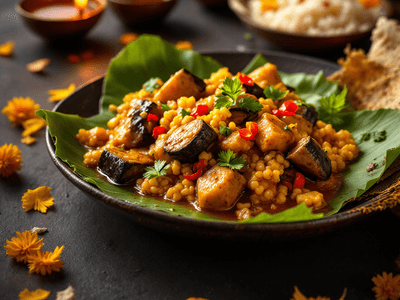
Brinjal Curry
Lunch • India
How to Make Brinjal Curry (Traditional & Healthy Version)
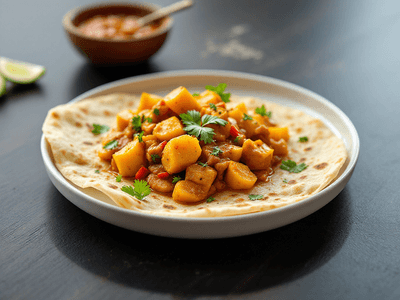
Brinjal Curry, also known as Baingan Curry or Kathirikai Kuzhambu in South India, is a beloved vegetarian dish that celebrates the versatility of brinjal (eggplant). This curry holds a special place in South Indian households, gracing lunch tables, festive occasions, and family gatherings. The dish features tender brinjal simmered in a tangy, mildly spiced coconut and tomato gravy, absorbing the flavors of roasted spices and curry leaves. Brinjal Curry is particularly popular in Tamil Nadu, Andhra Pradesh, and Karnataka, with each region offering its own unique spin. Its taste ranges from tangy and spicy to sweet and nutty, depending on the masalas used. The dish is often paired with steamed rice or phulka (roti), making for a wholesome, satisfying meal. During festivals like Pongal or Tamil New Year, Brinjal Curry is prepared as part of the celebratory spread, symbolizing abundance and prosperity. Opting for a healthy, oil-light version ensures you enjoy the authentic flavors while keeping your calorie intake in check.
Ingredients(for 1 medium bowl (approx. 200g) per serving)
- 200 grams Brinjal (baingan/kathirikai) (small purple variety preferred)
- 1 medium, finely chopped Onion (pyaaz)
- 1 large, chopped Tomato (tamatar)
- 8-10 leaves Curry leaves (karivepaku/karuveppilai)
- 2 tablespoons Coconut (freshly grated) (nariyal)
- 1 teaspoon Ginger-garlic paste (adrak-lehsun)
- 1/4 teaspoon Turmeric powder (haldi)
- 1/2 teaspoon Red chilli powder (mirch)
- 1 teaspoon Coriander powder (dhaniya)
- 1/2 teaspoon Mustard seeds (rai)
- 1/2 teaspoon Cumin seeds (jeera)
- 1 tablespoon Oil (preferably cold-pressed sesame or sunflower oil)
- to taste Salt (namak)
- 2 tablespoons, chopped Fresh coriander leaves (dhaniya patta, for garnish) - optional
Instructions
- 1
Wash and cut the brinjals into quarters. Soak in water with a pinch of salt to prevent discoloration.
5 minutes
Soaking removes bitterness and keeps brinjal fresh.
- 2
Heat oil in a kadhai (deep pan) on medium flame. Add mustard seeds and cumin seeds. Let them splutter, then add curry leaves.
2 minutes
Tempering spices enhances aroma and flavor.
- 3
Add chopped onions and sauté until translucent. Stir in ginger-garlic paste and cook until the raw smell disappears.
4 minutes
Keep stirring to avoid burning the onions.
- 4
Add chopped tomatoes and cook until soft. Mix in turmeric, red chilli powder, and coriander powder.
3 minutes
Cook spices well for deep flavor.
Why This Dish is Healthy
This Brinjal Curry is a healthy option due to its low-calorie, high-fiber profile, making it suitable for weight management and digestive health. Cooking with minimal oil and fresh, whole ingredients ensures maximum nutrition with reduced fat content. The dish is naturally gluten-free, vegetarian, and can be easily made vegan, making it inclusive for various dietary needs.
Brinjal Curry is an excellent source of dietary fiber, vitamins B1 and B6, and minerals like potassium and manganese. Brinjal is low in calories and provides antioxidants like nasunin, which support cell health. The use of minimal oil and fresh coconut adds healthy fats and essential nutrients without excess calories. The inclusion of spices like turmeric and cumin provides anti-inflammatory and digestive benefits.
Pro Tips
- 💡Tip 1: Use small, tender brinjal for best texture and minimal bitterness.
- 💡Tip 2: Freshly grated coconut adds authentic flavor, but desiccated coconut can be used in a pinch.
- 💡Tip 3: For extra tang, add a teaspoon of tamarind pulp in step 6.
Storage & Serving
Store cooled curry in an airtight container in the refrigerator for up to 2 days. Reheat gently on stovetop, adding a splash of water if needed to adjust consistency.
Best served: Lunch
Nutrition Facts
| Nutrient | Per 100g |
|---|---|
| Energy | 180.0 kcal |
| Protein | 1.7 g |
| Carbohydrates | 7.8 g |
| Total Fat | 4.2 g |
| Fiber | 2.6 g |
| Sugars | 3.1 g |
| Iron | 0.9 mg |
| Calcium | 22.0 mg |