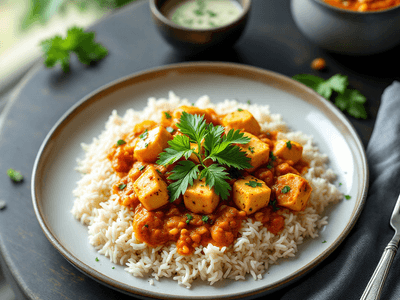
Boiled Arbi
Lunch • India
How to Make Boiled Arbi (Traditional & Healthy Version)
Boiled Arbi, also known as boiled taro root, is a classic Indian dish cherished for its simplicity, earthy flavor, and nutritional value. In many Indian households, arbi is a staple during the summer and monsoon months due to its light yet satisfying qualities. Arbi is especially popular in North Indian kitchens, where it is often seasoned with a medley of spices such as jeera (cumin), haldi (turmeric), and dhania powder (coriander), making it a flavorful addition to everyday meals. This humble tuber is often prepared during fasting days (vrat) and is considered satvik, meaning it is pure and suitable for religious occasions. The taste of boiled arbi is subtle and slightly nutty, making it a versatile base for various regional masalas. Its creamy texture pairs beautifully with rotis, rice, or even as a side dish with dal. In festivals like Navratri, arbi is a popular choice as it is light on the stomach and easy to digest, offering an ideal option for those looking for healthy vegetarian recipes. Whether you are aiming for a simple lunch or a nutritious side, boiled arbi is an excellent choice rooted in Indian tradition.
Ingredients(for 1 medium bowl (approx. 150g cooked arbi per serving))
- 300 grams Arbi (taro root) (also called arvi or colocasia)
- enough to boil arbi Water
- 1/2 tsp Jeera (cumin seeds)
- 1/4 tsp Haldi (turmeric powder)
- 1/2 tsp Dhaniya powder (coriander powder)
- a pinch Hing (asafoetida)
- 1, finely chopped Green chilli (hari mirch) - optional
- to taste Salt (sendha namak for vrat)
- 1 tsp Lemon juice (optional, for tanginess) - optional
- 1 tbsp, chopped Coriander leaves (hara dhania) - optional
Instructions
- 1
Wash arbi thoroughly to remove any mud. Place in a pressure cooker with enough water to cover.
5 minutes
Scrub arbi well as its skin can retain soil.
- 2
Pressure cook for 2 whistles on medium flame. Let the pressure release naturally.
10 minutes
Do not overcook; arbi should be soft but not mushy.
- 3
Drain the arbi and let it cool slightly. Peel off the skin and cut into thick slices or rounds.
5 minutes
Use a spoon or your hands to peel once cooled.
- 4
Heat a non-stick kadhai or tawa, add jeera. Once it splutters, add hing and green chilli.
2 minutes
Use minimal oil or skip oil for a healthier version.
Why This Dish is Healthy
This boiled arbi recipe is a healthy choice due to its minimal use of oil and high fiber content from arbi. It is filling yet light, making it perfect for weight management and digestive health. Traditional Indian spices enhance the flavor without adding calories, and the absence of heavy sauces or cream keeps it low in fat. Ideal for those seeking nutritious, home-cooked vegetarian meals.
Arbi (taro root) is rich in dietary fiber, vitamin E, and potassium, making it heart-friendly. It contains complex carbohydrates that provide sustained energy and is low in fat, especially when prepared without excessive oil. The addition of spices like cumin and turmeric adds antioxidants and anti-inflammatory properties. Its natural resistant starch helps in gut health, and the dish is gluten-free, making it suitable for various dietary restrictions.
Pro Tips
- 💡Tip 1: Always choose medium-sized arbi for uniform cooking.
- 💡Tip 2: Add a pinch of ajwain (carom seeds) to aid digestion.
- 💡Tip 3: For vrat, use sendha namak and avoid regular salt.
Storage & Serving
Store cooled boiled arbi in an airtight container in the refrigerator for up to 2 days. Reheat gently on a tawa or in a microwave before serving. Avoid freezing, as arbi can become watery.
Best served: Lunch
Nutrition Facts
| Nutrient | Per 100g |
|---|---|
| Energy | 110.0 kcal |
| Protein | 1.5 g |
| Carbohydrates | 20.0 g |
| Total Fat | 0.1 g |
| Fiber | 3.6 g |
| Sugars | 0.5 g |
| Iron | 0.6 mg |
| Calcium | 43.0 mg |