Basundi
Lunch • India
How to Make Basundi (Traditional & Healthy Version)
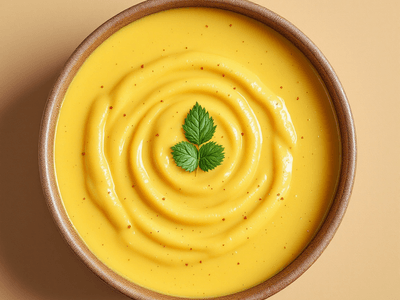
Basundi is a classic West Indian sweet dish, cherished across Maharashtra and Gujarat especially during festivals like Diwali and Gudi Padwa. This creamy dessert is made by slowly simmering full-fat milk until it thickens and develops a rich, luxurious texture. Basundi is delicately flavored with cardamom (elaichi), saffron (kesar), and garnished generously with a variety of chopped nuts. Its natural sweetness and subtle aroma capture the essence of Indian desserts, making it a festive favorite. While Basundi is often associated with special occasions, it can also be enjoyed as a wholesome treat during family gatherings or as a delightful finish to a traditional Indian lunch. The slow-cooked process infuses the milk with depth of flavor, and the addition of regional ingredients like chironji (charoli) and pistachios (pista) imparts both nutrition and authentic taste. This healthy version uses less sugar and is enriched with nuts for added protein, making it suitable for calorie-conscious eaters without compromising on flavor. Experience a taste of West Indian tradition with every spoonful of this luscious Basundi.
Ingredients(for 1 small katori (about 100 ml))
- 1 litre Full-fat milk (doodh)
- 2-3 tbsp Sugar (adjust to taste)
- 1/2 tsp Cardamom powder (elaichi)
- 8-10 strands Saffron strands (kesar, soaked in 1 tbsp warm milk)
- 8-10 Almonds (badam, finely chopped)
- 6-8 Pistachios (pista, sliced)
- 6-8 Cashews (kaju, chopped) - optional
- 1 tbsp Chironji (charoli (optional, for authentic touch)) - optional
- 1/2 tsp Rose water (gulab jal (optional)) - optional
Instructions
- 1
Pour the full-fat milk into a heavy-bottomed kadhai or pan. Bring it to a gentle boil on medium flame, stirring occasionally to prevent sticking.
5 minutes
Use a thick, wide pan to ensure even cooking and prevent burning.
- 2
Once the milk starts boiling, reduce the flame to low. Continue simmering and stir frequently, scraping the sides to mix the malai (cream) back into the milk.
10 minutes
Frequent stirring is key to prevent the milk from sticking and to achieve a creamy consistency.
- 3
As the milk reduces to half, add the saffron strands soaked in warm milk. Mix well and continue to simmer.
2 minutes
Soaking kesar helps release its color and aroma beautifully into the Basundi.
- 4
Add sugar and mix thoroughly until it dissolves. Adjust sweetness as per your preference.
2 minutes
Add sugar only after the milk has reduced to avoid over-caramelization.
Why This Dish is Healthy
This healthy Basundi recipe uses reduced sugar and incorporates almonds and pistachios for extra protein and good fats. Slow-cooking milk naturally intensifies sweetness and creaminess, reducing the need for added sugar. By avoiding condensed milk and using whole ingredients, this version supports balanced nutrition and fits well into a vegetarian diet.
Basundi provides a good amount of protein and calcium from milk, essential for bone health. The nuts add healthy fats, fiber, and micronutrients such as magnesium, vitamin E, and B vitamins. Using less sugar keeps the glycemic load moderate, and saffron offers antioxidants. Overall, this dish is nutrient-dense but should be enjoyed in moderation due to its calorie content.
Pro Tips
- 💡Tip 1: Always use a heavy-bottomed pan to prevent milk from burning.
- 💡Tip 2: Stir frequently and scrape the sides to reincorporate the malai.
- 💡Tip 3: For a richer flavor, allow Basundi to cool and refrigerate for a few hours before serving.
Storage & Serving
Store Basundi in an airtight container in the refrigerator for up to 2 days. Serve chilled or gently reheat before serving if desired.
Best served: Lunch
Nutrition Facts
| Nutrient | Per 100g |
|---|---|
| Energy | 210.0 kcal |
| Protein | 4.2 g |
| Carbohydrates | 22.0 g |
| Total Fat | 7.5 g |
| Fiber | 0.0 g |
| Sugars | 20.0 g |
| Iron | 0.2 mg |
| Calcium | 150.0 mg |