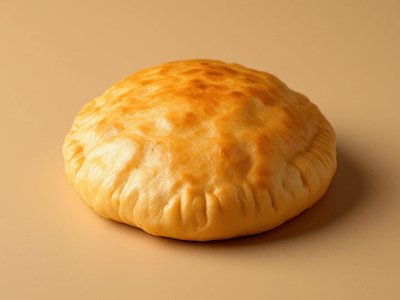
📸 Image coming soon for Bajri Flour
Bajri Flour
Lunch • India
How to Make Bajri Roti (Traditional & Healthy Version)
Bajri Roti is a wholesome and nutritious flatbread made from bajra atta (pearl millet flour), originating from the heartlands of Rajasthan and Gujarat. This rustic Indian dish is a staple in many rural households, especially during the winter months, due to its warming properties and dense nutritional profile. Its earthy flavor, slight nuttiness, and satisfying chew make it a favorite for lunch, often served with spicy sabzi, jaggery (gur), or fresh homemade butter. Bajri Roti is not just a daily staple; it is deeply embedded in Indian culinary tradition and is especially popular during festivals like Makar Sankranti, Lohri, and Uttarayan, when seasonal millets are celebrated. Its simple ingredients and traditional preparation make it accessible, healthy, and perfect for calorie-conscious eaters. The use of bajra flour in Indian cuisine is renowned for supporting sustainable agriculture and local farming communities. With its hearty texture, Bajri Roti pairs beautifully with a variety of Indian curries and chutneys, making it a versatile choice for a wholesome meal.
Ingredients(for 2 medium rotis per person)
- 1 cup Bajra atta (pearl millet flour) (bajri flour)
- 2 tbsp Wheat atta (whole wheat flour) (optional, for binding) - optional
- 1/2 tsp Salt (namak)
- 1/2 tsp Ajwain seeds (carom seeds) - optional
- 1 tbsp Coriander leaves (hara dhania, finely chopped) - optional
- 1 Green chili (finely chopped (optional)) - optional
- as needed Warm water (for kneading)
- 1 tsp Ghee (for serving, use oil for vegan version) - optional
Instructions
- 1
Add bajra atta, optional wheat atta, salt, ajwain, coriander, and green chili to a large mixing bowl. Mix well.
2 minutes
Wheat atta helps with binding but can be skipped for gluten-free rotis.
- 2
Gradually add warm water and knead into a soft, pliable dough. Rest for 5-10 minutes.
7 minutes
Warm water makes the dough easier to handle as bajra can be crumbly.
- 3
Divide the dough into small balls of equal size.
2 minutes
Keep the dough covered to prevent drying.
- 4
Dust a surface with bajra flour. Gently pat each ball into a flat disc using your palms, or roll with a rolling pin if comfortable.
3 minutes
Patting by hand is traditional; use a plastic sheet to help lift the roti.
Why This Dish is Healthy
Bajri Roti is a healthy meal option because it utilizes whole grain bajra flour, which is high in fiber and low in glycemic index. It keeps you full for longer, supports heart health, and is diabetic-friendly. Minimal oil or ghee is used in preparation, making it light on calories and ideal for weight management. The inclusion of fresh herbs and spices enhances nutritional value without adding extra calories.
Bajri Roti is rich in complex carbohydrates, dietary fiber, and essential minerals like magnesium, iron, and phosphorus. Pearl millet is a gluten-free grain, making it suitable for gluten-sensitive individuals. It supports digestion, helps regulate blood sugar levels, and provides sustained energy. The addition of coriander and ajwain adds antioxidants and aids in digestion. This roti is naturally low in fat and contains plant-based protein, making it a nutritious choice for all age groups.
Pro Tips
- 💡Tip 1: Use warm water to make the dough more pliable and easier to work with.
- 💡Tip 2: If the dough cracks, add a few drops of water and knead again for smoothness.
- 💡Tip 3: Cover cooked rotis with a cloth to keep them soft and prevent drying.
Storage & Serving
Best enjoyed fresh, but can be stored in an insulated container for up to 6 hours. To store longer, wrap rotis in a clean cloth and keep in an airtight box. Reheat on a tawa before serving.
Best served: Breakfast or Lunch
Nutrition Facts
| Nutrient | Per 100g |
|---|---|
| Energy | 350.0 kcal |