Nolen Gur Payesh
Desserts • India
About Nolen Gur Payesh
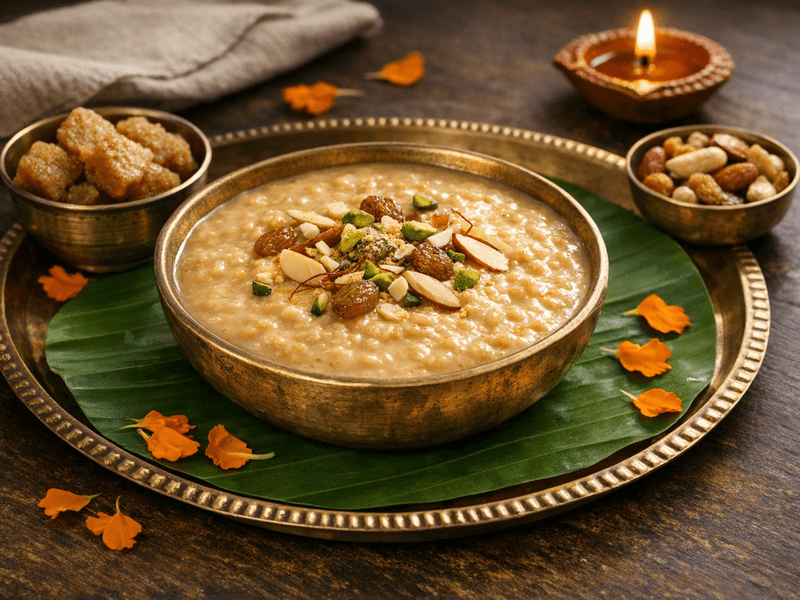
Bengali rice pudding finished with date-palm jaggery instead of white sugar. Signature winter dessert with a deep smoky sweetness.
How to Make Nolen Gur Payesh (Traditional & Healthy Version)
Nolen Gur Payesh is a beloved Bengali dessert, cherished across East India for its rich, creamy texture and the unique sweetness imparted by nolen gur (date palm jaggery). Traditionally prepared during winter months when fresh nolen gur is harvested, this payesh is considered a celebratory dish for festivals like Makar Sankranti, Poush Parbon, and birthdays. The aroma of bubbling rice simmered in creamy dudh (milk) and finished with golden nolen gur evokes nostalgia and warmth in every Bengali household. The taste of Nolen Gur Payesh is unlike any other Indian sweet. Its delicate balance of fragrant gobindobhog chawal (aromatic short-grain rice), full-cream milk, and date palm jaggery creates a naturally sweet dessert without the need for refined sugars. Lightly flavored with elaichi (cardamom) and adorned with slivers of badam (almonds) and kaju (cashews), this dessert is both indulgent and nutritious. Perfect for health-conscious foodies, this payesh is lower in calories compared to many other traditional Indian desserts, making it an excellent choice for those tracking their macros or seeking guilt-free festive treats.
Ingredients(for 1 small katori (bowl))
- 500 ml Full cream milk (dudh)
- 2 tbsp Gobindobhog rice (short-grain aromatic rice)
- 50 g Nolen gur (date palm jaggery)
- 1 tbsp Cashew nuts (kaju, chopped) - optional
- 1 tbsp Almonds (badam, chopped) - optional
- 1 tbsp Raisins (kishmish) - optional
- 2 pods Green cardamom (elaichi, crushed)
- 1 Bay leaf (tej patta) - optional
Instructions
- 1
Wash the gobindobhog rice thoroughly and soak it in water for 10 minutes. Drain and set aside.
10 minutes
Soaking helps the rice cook faster and evenly.
- 2
Bring the full cream milk to a boil in a heavy-bottomed pan (kadahi), adding the bay leaf for aroma.
3 minutes
Use a thick-bottomed vessel to prevent milk from burning.
- 3
Add the soaked and drained rice to the boiling milk. Lower the flame and simmer, stirring frequently to avoid sticking.
7 minutes
Continuous stirring ensures a creamy payesh and prevents lumps.
- 4
Once the rice is soft and the milk has thickened (reduced by about 1/3), add the crushed cardamom pods.
3 minutes
Add cardamom towards the end for maximum fragrance.
Why This Dish is Healthy
By substituting refined sugar with nolen gur, this payesh offers a lower glycemic profile and added minerals. Using full cream milk ensures a dose of essential proteins and healthy fats, while limiting the amount of rice keeps the calorie count in check. This recipe is portion-controlled, vegetarian, and can be adapted further for specific dietary needs, making it an excellent healthy dessert for festive occasions and everyday indulgence.
Nolen Gur Payesh is rich in calcium and protein from milk, providing bone-strengthening nutrients. The use of nolen gur (date palm jaggery) instead of refined sugar adds natural iron and trace minerals, supporting healthy hemoglobin levels. Gobindobhog rice supplies complex carbohydrates for sustained energy, while nuts and raisins contribute healthy fats, vitamin E, and antioxidants. This dessert is moderate in calories, making it suitable for those aiming for a balanced diet without excess sugar or fat.
Pro Tips
- 💡Tip 1: Always add nolen gur after switching off the flame to prevent milk from curdling.
- 💡Tip 2: For extra aroma, use gobindobhog rice instead of regular rice.
- 💡Tip 3: Serve in matir handi for authentic flavor and enhanced aroma.
Storage & Serving
Store Nolen Gur Payesh in an airtight container in the refrigerator for up to 2 days. Serve chilled or gently warmed; do not reboil after adding nolen gur.
Best served: Lunch
Nutrition Facts
| Nutrient | Per 100g |
|---|---|
| Energy | 150.0 kcal |
| Protein | 3.0 g |
| Carbohydrates | 27.0 g |
| Total Fat | 3.0 g |
| Fiber | 0.0 g |