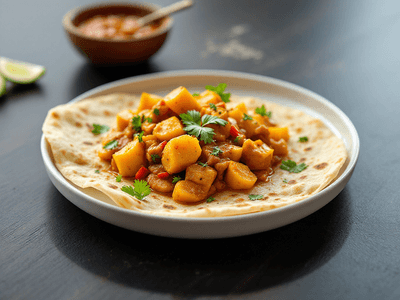
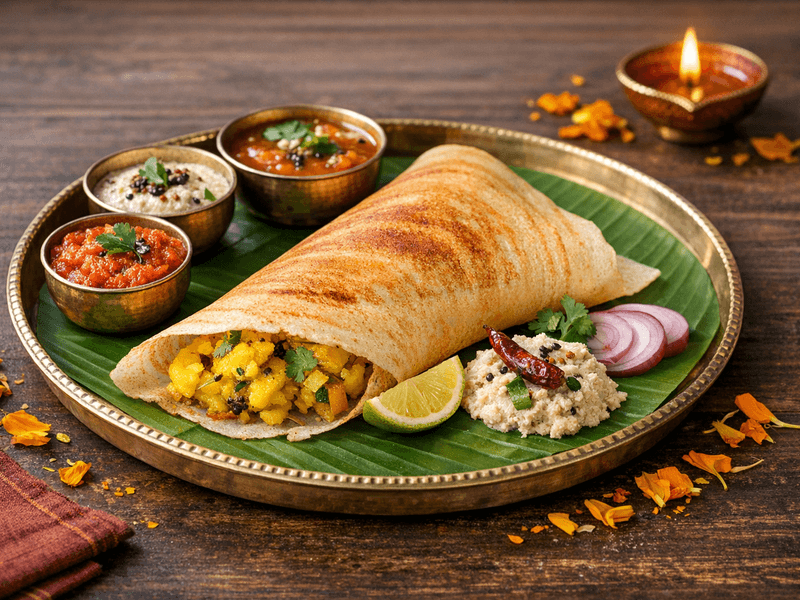
📸 Image coming soon for Sago Sweet Pongal (vrat)
Sago Sweet Pongal (vrat)
Desserts • India
How to Make Sago Sweet Pongal (Vrat) – Traditional & Healthy Version
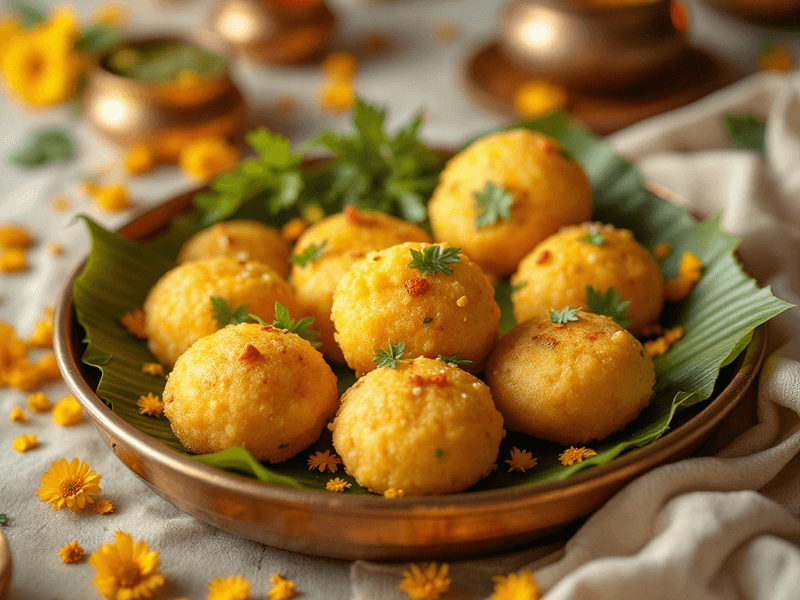
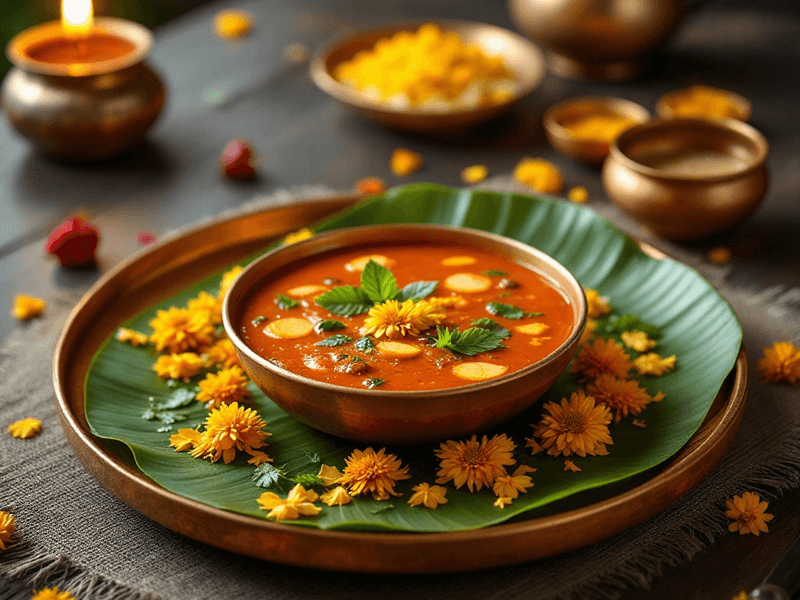
Sago Sweet Pongal, locally known as 'Sabudana Pongal', is a cherished South Indian dessert often prepared during vrat (fasting) and festive occasions like Navratri and Ekadashi. The dish blends the soft, chewy texture of sabudana (sago pearls) with the aromatic sweetness of jaggery, ghee, and cardamom. Unlike regular rice-based Pongal, this vrat-friendly version uses sabudana, making it suitable for fasting and gluten-free diets. Traditionally, Sweet Pongal is offered as naivedyam (prasad) in temples and homes, symbolizing prosperity and happiness. The recipe is simple, yet rich in flavor, featuring the classic South Indian touch with roasted cashews and raisins, providing a delightful balance of taste and nutrition. This healthy Sago Sweet Pongal is a great choice for those seeking an Indian dessert that’s light on calories, vegetarian, and easy to digest. Its unique combination of ingredients makes it a favorite during festivals and special occasions, reflecting the vibrant culinary traditions of Tamil Nadu, Andhra Pradesh, and Karnataka. Whether enjoyed as a dessert or as part of a vrat meal, this Pongal brings together wholesome flavors and cultural significance, making it a must-try for anyone interested in authentic Indian cuisine.
Ingredients(for 1 small katori (bowl) per person)
- 1/2 cup Sabudana (sago pearls) (soaked overnight)
- 1/3 cup Jaggery (gur) (grated or powdered)
- 2 tablespoons Ghee (clarified butter)
- 8-10 pieces Cashews (kaju) (roughly chopped)
- 10-12 pieces Raisins (kishmish)
- 1/2 teaspoon Cardamom powder (elaichi) (freshly ground)
- 1/4 cup Milk (optional for creaminess) - optional
- 1 cup Water (for cooking sabudana)
- 5-6 pieces Almonds (badam) (slivered, optional) - optional
- 5-6 strands Saffron strands (kesar) (for garnish, optional) - optional
Instructions
- 1
Rinse sabudana thoroughly and soak in water overnight or for at least 4-6 hours until soft and translucent.
5 minutes
Ensure sabudana is not sticky; drain excess water before cooking.
- 2
Heat 1 tablespoon ghee in a kadhai. Roast cashews and raisins until golden and set aside.
3 minutes
Roasting enhances flavor and adds crunch to the Pongal.
- 3
Add soaked sabudana and water to the kadhai. Cook on medium flame, stirring gently, until sabudana turns soft and pearls become transparent.
7 minutes
Stir continuously to avoid sticking at the bottom.
- 4
Add grated jaggery and mix well. Cook for 2-3 minutes until the jaggery melts completely and blends with sabudana.
3 minutes
Don't overcook after adding jaggery; it may turn watery.
Why This Dish is Healthy
This Sago Sweet Pongal uses natural sweeteners like jaggery instead of refined sugar and includes nuts for extra protein and healthy fats. Sabudana is low in fat and easy on the digestive system, making it suitable for weight management. By controlling ghee and optional milk, you can adapt the recipe for different dietary needs, ensuring a wholesome and satisfying dessert that fits your calorie goals.
Sabudana provides easily digestible carbohydrates and is gluten-free, making it ideal for fasting and sensitive stomachs. Jaggery is a healthier sweetener, offering minerals like iron and potassium. Nuts add healthy fats, protein, and micronutrients, while cardamom aids digestion. By minimizing ghee and adding milk, this recipe balances calories and macronutrients, helping you enjoy a festive dessert without excess sugar or fat.
Pro Tips
- 💡Tip 1: Soak sabudana well to avoid sticky or hard pearls.
- 💡Tip 2: Use freshly grated jaggery for richer flavor and better melting.
- 💡Tip 3: Adjust ghee and milk based on dietary needs for a lighter or richer Pongal.
Storage & Serving
Store leftover Sago Sweet Pongal in an airtight container in the refrigerator for up to 2 days. Reheat gently before serving; add a splash of water or milk to restore texture.
Best served: Breakfast or Lunch
Nutrition Facts
| Nutrient | Per 100g |
|---|---|
| Energy | 180.0 kcal |