Basundi Gujarati
Desserts • India
About Basundi Gujarati
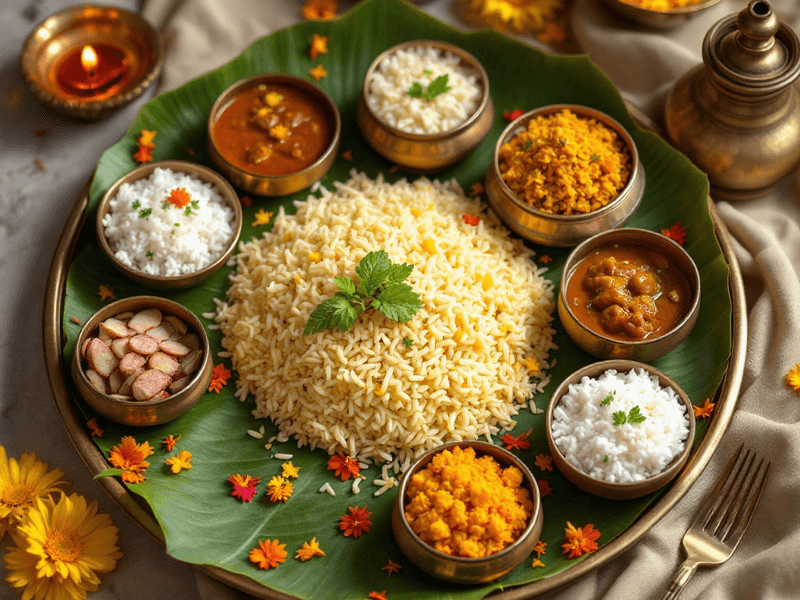
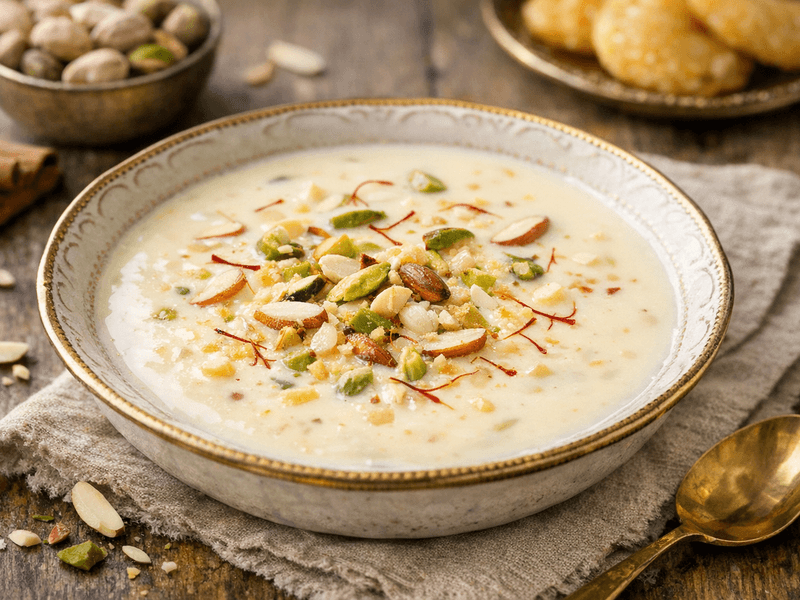
Slow-reduced sweet milk dessert with cardamom and nuts. Gujarati basundi often appears in thalis and celebration menus.
How to Make Basundi Gujarati (Traditional & Healthy Version)
Basundi Gujarati is a beloved West Indian dessert originating from Gujarat, enjoyed especially during festivals like Navratri and Diwali. This creamy treat is made by simmering full-fat milk until it thickens and is sweetened with sugar, then flavored with cardamom (elaichi) and garnished with chopped dry fruits. Basundi is renowned for its rich, velvety texture and aromatic flavors, making it a favorite for celebratory occasions and family gatherings. In Gujarat, it’s a customary sweet served during festive thalis and special events, symbolizing prosperity and togetherness. Traditionally, Basundi is prepared in a 'patila' (wide-mouthed vessel) and stirred continuously to achieve its signature texture. With its gentle sweetness and delicate hints of saffron (kesar), Basundi appeals to all age groups. The use of locally sourced milk and dry fruits reflects the regional agricultural richness. Our health-conscious version retains authenticity while reducing sugar and fat, making it suitable for calorie-watchers. Basundi Gujarati is not only delicious but also a source of comfort and joy, connecting generations through its timeless taste and cultural significance.
Ingredients(for 1 small katori (approx. 100 ml))
- 500 ml Full-fat milk (doodh)
- 2 tablespoons Sugar (chini)
- 1/2 teaspoon Cardamom powder (elaichi)
- 1 tablespoon Chopped almonds (badam)
- 1 tablespoon Chopped pistachios (pista)
- 6-8 strands Saffron strands (kesar)
- 1/2 teaspoon Rose water (optional) - optional
- 500 ml Low-fat milk (for lighter version) - optional
- as needed Stevia or coconut sugar (for diabetic-friendly version) - optional
Instructions
- 1
Pour full-fat milk into a wide-mouthed heavy-bottomed patila and bring it to a gentle boil, stirring frequently to prevent sticking.
5 minutes
Use a heavy-bottomed vessel to avoid burning the milk.
- 2
Lower the heat and simmer. Continue stirring and scraping the sides ('malai') to incorporate thickened milk back into the mixture.
8 minutes
Continuous stirring ensures a creamy texture.
- 3
Add sugar and mix well. Allow it to dissolve completely, adjusting sweetness as per preference.
2 minutes
For a healthier option, reduce sugar or use a substitute.
- 4
Add cardamom powder, saffron strands (soaked in 1 tablespoon warm milk), and rose water if using. Stir thoroughly to infuse flavors.
2 minutes
Soaking saffron enhances its color and aroma.
Why This Dish is Healthy
Our healthy Basundi Gujarati recipe uses reduced sugar and incorporates nutrient-rich dry fruits, making it a lighter option compared to traditional versions. The use of milk ensures good protein intake, and the dessert is rich in vitamins and minerals while keeping fat content moderate. Suitable for vegetarians, this sweet dish aligns with calorie-conscious Indian diets, and its portion size helps in avoiding overindulgence.
Basundi Gujarati is a source of high-quality protein and calcium from milk, supporting bone health and muscle growth. The dry fruits offer healthy fats, vitamin E, and magnesium, while saffron provides antioxidants. This dessert is relatively low in calories per serving, making it suitable for portion-controlled diets. By moderating sugar and using low-fat milk, Basundi can be enjoyed guilt-free and fits well into balanced Indian meal plans.
Pro Tips
- 💡Tip 1: Use full-fat milk for richer texture, but low-fat milk for lower calories.
- 💡Tip 2: Stir continuously to prevent burning and ensure creaminess.
- 💡Tip 3: Garnish with fresh saffron and nuts just before serving for enhanced aroma and crunch.
Storage & Serving
Store basundi in an airtight container in the refrigerator for up to 2 days. Serve chilled for best taste. Stir before serving as the malai may settle.
Best served: Lunch
Nutrition Facts
| Nutrient | Per 100g |
|---|---|
| Energy | 180.0 kcal |
| Protein | 4.0 g |
| Carbohydrates | 24.0 g |
| Total Fat | 7.0 g |
| Fiber | 0.0 g |
| Sugars | 21.0 g |
| Sodium | 90.0 mg |
| Potassium | 210.0 mg |
| Cholesterol | 35.0 mg |
| Vitamin A | 160.0 IU |
| Vitamin C | 1.0 mg |
| Calcium | 180.0 mg |
| Iron | 0.2 mg |
| Magnesium | 18.0 mg |
| Zinc | 0.5 mg |
| Phosphorus | 130.0 mg |
| Vitamin D | 0.5 IU |
| Vitamin B1 (Thiamine) | 0.0 mg |
| Vitamin B2 (Riboflavin) | 0.2 mg |
| Vitamin B3 (Niacin) | 0.1 mg |
| Vitamin B6 | 0.0 mg |
| Vitamin B12 | 0.4 µg |
| Folate | 7.0 µg |