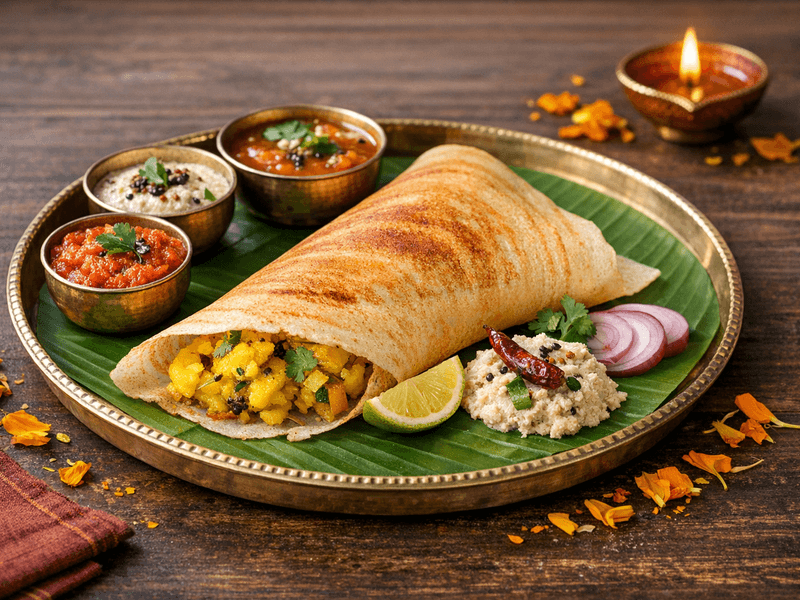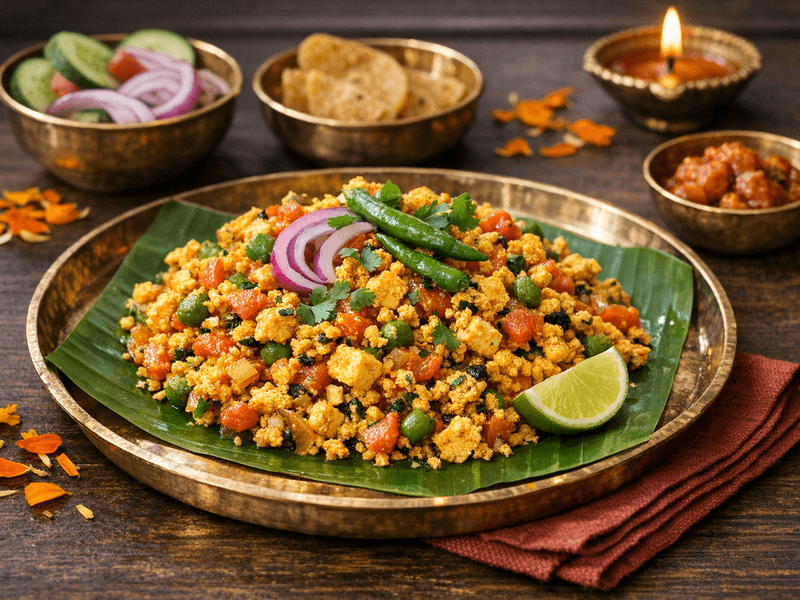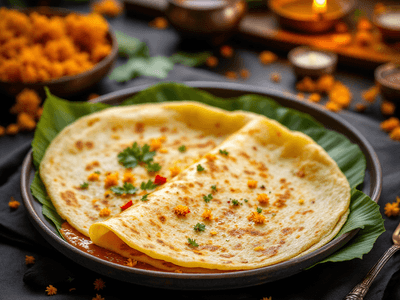
Plain Dosa with Sambhar
Breakfast • India
How to Make Plain Dosa with Sambhar (Traditional & Healthy Version)
Plain Dosa with Sambhar is a classic South Indian breakfast that has become a staple across India. Originating from Tamil Nadu and Karnataka, dosa is a thin, crisp crepe made from fermented rice and urad dal (split black gram), cooked on a 'tawa' (griddle). Sambhar, a hearty lentil stew with vegetables and aromatic spices, is the perfect accompaniment, offering a balance of flavours and nutrition. This dish is widely loved for its light texture, tangy taste, and fulfilling nature, making it ideal for breakfast or brunch. Dosa and sambhar are often enjoyed during Indian festivals such as Pongal and Diwali, symbolising warmth, togetherness, and the rich culinary heritage of South India. The fermentation process enhances the dosa's digestibility and gives it a subtle sourness, while sambhar adds a nourishing, spicy touch. Plain dosa with sambhar is not only delicious but also health-conscious, providing plant-based protein, fibre, and essential vitamins. Its versatility allows for regional variations, with each state adding its unique twist to sambhar and dosa, reflecting local produce and preferences.
Ingredients(for 1 dosa with 1 cup sambhar)
- 1 cup Rice (Chawal)
- 1/2 cup Urad Dal (Split black gram)
- 1/2 tsp Fenugreek Seeds (Methi dana)
- As needed Water (For soaking and grinding)
- 1 tsp Salt
- 2 tsp Oil (For cooking dosa)
- 1/2 cup Toor Dal (Arhar dal for sambhar)
- 1 cup Mixed Vegetables (Carrot, drumstick, pumpkin, brinjal)
- 1 tbsp Tamarind (Imli pulp)
- 1 tbsp Sambhar Powder
- 1/2 tsp Mustard Seeds (Rai)
- 6-8 leaves Curry Leaves (Kadi patta)
- 1/4 tsp Turmeric Powder (Haldi)
- 1/2 tsp Red Chili Powder (Lal mirch) - optional
- 1 small Onion (Finely chopped)
Instructions
- 1
Wash and soak rice, urad dal, and methi dana in water for 4-6 hours. Drain and grind to a smooth batter, adding water as needed. Cover and ferment overnight or 8 hours.
10 minutes
Fermentation improves digestibility; keep batter in a warm place.
- 2
Add salt to the fermented batter and mix gently. The batter should be of pouring consistency.
2 minutes
Do not overmix after fermentation; it preserves air bubbles for fluffier dosa.
- 3
Heat a 'tawa' (griddle) on medium. Pour a ladleful of batter and spread in a circular motion to form a thin dosa. Drizzle a few drops of oil around edges. Cook until golden and crisp.
5 minutes
Use a non-stick tawa for easier dosa removal.
- 4
Flip the dosa if desired, cook for 30 seconds, then remove. Repeat for remaining batter.
5 minutes
Do not overcook; dosa should remain soft inside and crisp outside.
Why This Dish is Healthy
This dish is a healthy choice because it balances protein, carbs, and fibre, making it ideal for sustained energy and digestion. The use of minimal oil and inclusion of vegetables in sambhar boosts vitamin and antioxidant content. It is filling yet light, suitable for weight management, and can be easily adapted for vegan and diabetic diets by adjusting ingredients.
Plain dosa with sambhar is rich in plant-based protein from urad dal and toor dal, complex carbohydrates from rice, and dietary fibre from vegetables. It contains essential minerals like iron, calcium, and potassium, as well as B vitamins. The fermentation process increases bioavailability of nutrients and promotes gut health. The dish is low in saturated fat, cholesterol-free, and suitable for vegetarians.
Pro Tips
- 💡Tip 1: Use filtered water for soaking and grinding to enhance fermentation.
- 💡Tip 2: Spread dosa batter thinly for extra crispiness.
- 💡Tip 3: Adjust sambhar spice levels to suit your palate; homemade sambhar powder gives best flavor.
Storage & Serving
Dosa batter can be refrigerated for up to 3 days. Sambhar can be stored in an airtight container in the fridge for 2 days; reheat before serving. Dosa is best enjoyed fresh.
Best served: Breakfast or Lunch
Nutrition Facts
| Nutrient | Per 100g |
|---|---|
| Energy | 280.0 kcal |