Warm Water
Beverages • India
How to Make Warm Water (Traditional & Healthy Version)
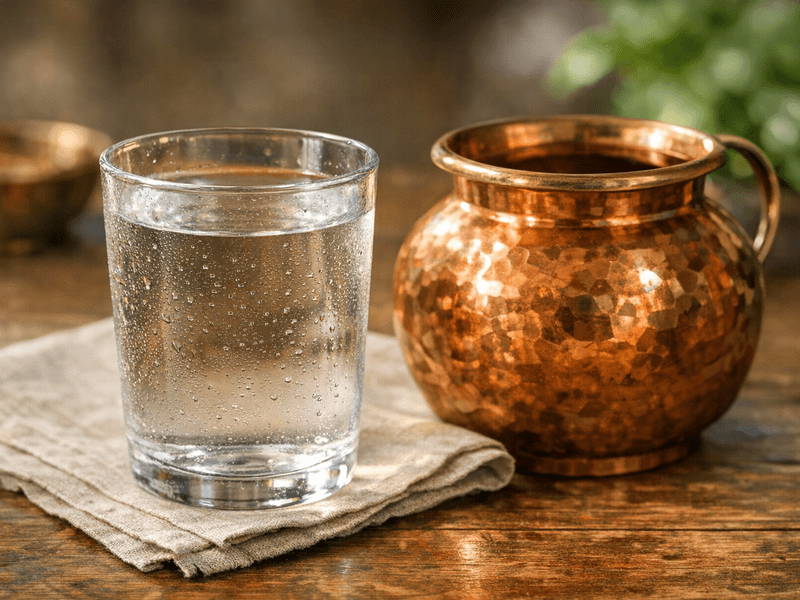
Warm Water, or 'garam paani' as it's commonly called in Hindi, is a simple yet deeply rooted beverage in Indian culture. Revered for its soothing properties, warm water is often the first drink of the day for many Indian households, especially during winter mornings or after festival feasts. It is believed in Ayurveda that sipping warm water aids in digestion, detoxifies the body, and helps maintain overall wellness. This humble beverage is not only associated with good health but also with daily rituals like yoga and meditation, where warm water consumption is encouraged. In India, warm water is more than just a drink—it's a tradition passed down through generations. The warmth provides comfort, supports hydration, and can be infused with regional ingredients like tulsi (holy basil) or adrak (ginger) to suit personal preferences. Whether you are observing a vrat (fasting festival), recovering from a festive celebration, or simply starting your day, a cup of warm water is a staple for health-conscious individuals across the country. Its mild taste, versatility, and cultural significance make it an essential part of Indian wellness routines.
Ingredients(for 1 glass (approx. 200 ml))
- 2 cups Water (pani)
- 1/2 inch piece Fresh Ginger (adrak, peeled and sliced) - optional
- 4-5 leaves Tulsi Leaves (holy basil) - optional
- 1 teaspoon Lemon Juice (nimbu ras) - optional
- 1 teaspoon Honey (shahad) - optional
- a pinch Black Pepper Powder (kali mirch) - optional
- 1 small stick Cinnamon Stick (dalchini) - optional
- a pinch Rock Salt (sendha namak) - optional
Instructions
- 1
Pour 2 cups of fresh water (pani) into a stainless steel pan or patila.
1 minute
Use filtered water for best results.
- 2
Add optional ingredients like sliced adrak (ginger), tulsi leaves, cinnamon stick, or a pinch of black pepper to the water.
1 minute
These add flavor and boost health benefits.
- 3
Place the pan on medium heat and allow the water to warm gently. Do not let it come to a boil; heat just until steaming.
2 minutes
Warm water should be comfortable to sip, not scalding.
- 4
Turn off the heat. If using, add lemon juice (nimbu ras) and honey (shahad) at this stage.
1 minute
Add lemon and honey after heating to preserve their nutrients.
Why This Dish is Healthy
Choosing Warm Water as a beverage is beneficial for weight loss, detoxification, and maintaining digestive health. It contains zero calories when consumed plain and helps flush out toxins, improves circulation, and supports metabolism. The Ayurvedic tradition highlights its ability to balance 'agni' (digestive fire), making it an easy, natural, and effective way to enhance daily wellness.
Warm Water is calorie-free and an excellent hydrator, supporting metabolic functions and digestion without adding sugars or fats. When infused with adrak (ginger), tulsi, or lemon, it provides antioxidants, vitamin C, and anti-inflammatory compounds. Honey and rock salt, if used, bring additional trace minerals and natural sweetness. This beverage is suitable for all ages and can be customized based on dietary needs, making it a universally accessible health tonic.
Pro Tips
- 💡Tip 1: Use copper or stainless steel vessels for heating to preserve purity.
- 💡Tip 2: Always strain infusions before serving for best taste and texture.
- 💡Tip 3: Try sipping slowly on an empty stomach each morning for maximum Ayurvedic benefit.
Storage & Serving
Warm Water is best consumed fresh. If necessary, store in a thermos flask for up to 2 hours to retain warmth and freshness. Do not reheat multiple times.
Best served: Breakfast or Lunch
Nutrition Facts
| Nutrient | Per 100g |
|---|