Filtered Tap Water
Beverages • India
How to Make Filtered Tap Water (Traditional & Healthy Version)
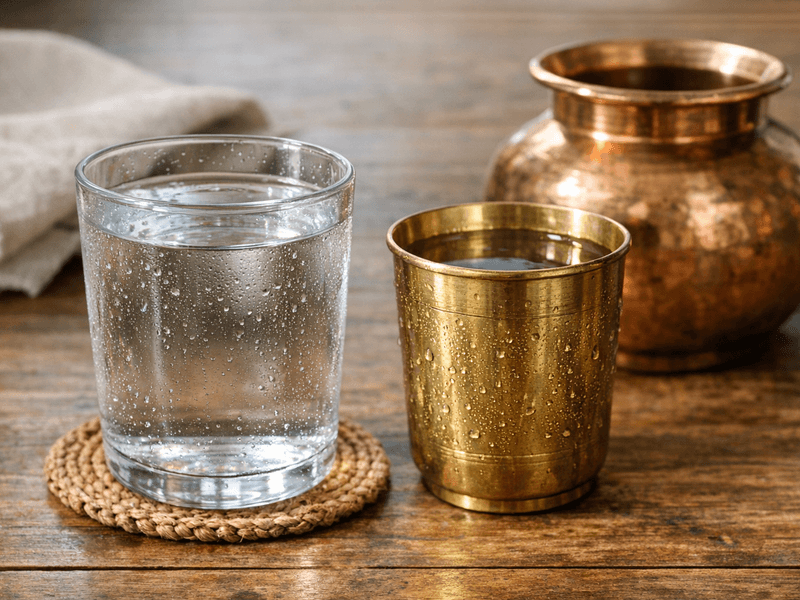
Filtered tap water, or 'nirmal jal', is an essential beverage across India, transcending regional boundaries and forming the backbone of daily hydration. In Indian households, ensuring access to clean, safe drinking water has always been paramount, especially during the hot summers or after enjoying classic Indian foods like biryani or spicy curries. Water purification, whether through traditional earthen matkas, modern filters, or copper vessels (tamra jal), has deep cultural roots and is integral to Indian health rituals. Drinking filtered tap water is not just a necessity but a mark of hospitality in Indian culture. Guests are always welcomed with a glass of cool, filtered water, sometimes enhanced with tulsi (holy basil) leaves, jeera (cumin), or nimbu (lemon) for festivals like Holi and Diwali. Across regions, from the matkas of Rajasthan to the copper pots of South India, methods of water storage and purification vary but all emphasize purity and refreshment. Opting for filtered tap water is a simple yet profound way to prioritize health and uphold Indian traditions.
Ingredients(for 1 standard glass (approx. 250 ml))
- 500 ml Tap water (jal/pani)
- 2 slices Lemon (nimbu) - optional
- 4-5 leaves Mint leaves (pudina) - optional
- 2-3 leaves Tulsi leaves (holy basil) - optional
- a pinch Cumin seeds (jeera, roasted and crushed) - optional
- 1 Copper vessel (tamra patra, for storage) - optional
- 1 Earthen pot (matka, for cooling) - optional
- 1 Water filter (RO/UV or traditional filter)
- 4-6 Ice cubes (baraf, optional for serving chilled) - optional
Instructions
- 1
Collect tap water in a clean vessel. Ensure the source is from a safe, potable supply (jal board or municipal).
2 minutes
Always sanitize vessels before use to avoid contamination.
- 2
Pass the water through a water filter (RO, UV, or gravity-based), following the device’s instructions. If using a traditional cloth filter (malmal ka kapda), pour water slowly through several layers.
5 minutes
Double-filter for extra purity, especially during monsoon season.
- 3
Pour filtered water into a copper vessel (tamra patra) or earthen pot (matka) for at least 6-8 hours for natural purification and cooling. For immediate use, skip to the next step.
5 minutes
Overnight storage in copper vessels is said to infuse trace minerals.
- 4
For flavor, add mint leaves (pudina), lemon slices (nimbu), tulsi leaves, or a pinch of roasted cumin (jeera) as desired. Stir gently.
2 minutes
Herbs provide a refreshing twist and additional health benefits.
Why This Dish is Healthy
This beverage is the healthiest choice for hydration—free from sugars, artificial additives, and calories. Filtered tap water supports weight loss, metabolic health, and is suitable for all diet types, including diabetic and kid-friendly diets. Consuming enough clean water daily is crucial for energy, focus, and overall wellbeing, making it the ultimate 'superfood' in a simple glass.
Filtered tap water is calorie-free, hydrating, and essential for optimal bodily functions. It assists in digestion, regulates body temperature, and flushes out toxins. Depending on storage (matka for minerals, tamra patra for copper), water can also provide trace elements beneficial to immunity and metabolism. Adding nimbu or pudina increases vitamin C and antioxidants, giving an extra boost to your daily nutrition. Clean, filtered water is universally recommended by health experts for maintaining organ health, especially kidneys and skin.
Pro Tips
- 💡Tip 1: Use a matka for natural cooling—ideal during peak summer.
- 💡Tip 2: Infuse with tulsi or pudina for added antioxidants and flavor.
- 💡Tip 3: Always clean storage vessels regularly to prevent microbial growth.
Storage & Serving
Store filtered water in a covered vessel, preferably copper or earthenware, and consume within 24 hours. Keep out of direct sunlight and avoid touching inside the vessel to maintain hygiene.
Best served: Breakfast or Lunch
Nutrition Facts
| Nutrient | Per 100g |
|---|---|
| Energy | 0.0 kcal |
| Protein | 0.0 g |
| Carbohydrates | 0.0 g |
| Total Fat | 0.0 g |
| Fiber | 0.0 g |