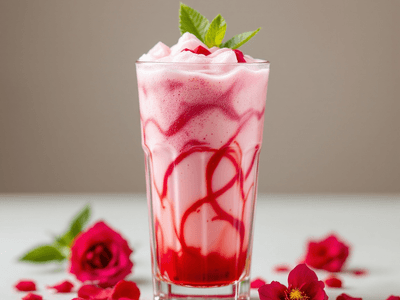
Falooda with Rose Syrup
India • Jain
How to Make Falooda with Rose Syrup (Traditional & Healthy Version)
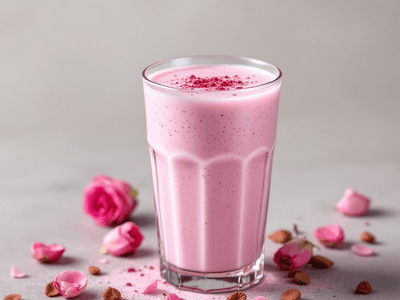
Falooda with Rose Syrup is a classic Indian beverage that has delighted generations with its vibrant hues and irresistible taste. Originating from the royal Mughal kitchens, this dessert-drink has become a staple across India, especially during the sweltering summer months. Its refreshing layers of sev (vermicelli), sabja (basil seeds), chilled milk, rose syrup, and a scoop of kulfi or ice cream create a symphony of flavors and textures. Falooda is not just a treat; it's an experience that brings families together during festivals like Eid and Holi, offering both indulgence and nostalgia. What sets Falooda apart is its versatility and the ability to customize it for health-conscious individuals. By using low-fat milk and fresh fruits, this version ensures you enjoy all the authentic flavors while tracking calories. The subtle floral notes of rose syrup, combined with the cooling sabja seeds, make it perfect for beating the heat. Falooda is loved by children and adults alike, making it an ideal choice for parties, celebrations, or as a special end to an everyday meal. Whether served in tall glasses or earthen kulhads, Falooda with Rose Syrup stands out as a beloved symbol of Indian culinary heritage.
Ingredients(for 1 tall glass (approx 300 ml))
- 2 cups Full-fat milk (doodh)
- 1/2 cup Falooda sev (vermicelli made from cornflour)
- 2 tablespoons Sabja seeds (basil seeds)
- 4 tablespoons Rose syrup (gulab sharbat)
- 1/2 cup Chopped mixed fruits (seasonal fruits like mango, apple, pomegranate) - optional
- 2 scoops Low-fat vanilla ice cream or kulfi (optional for garnish) - optional
- 2 tablespoons Chopped almonds & pistachios (badam, pista) - optional
- 1-2 teaspoons Sugar (optional, adjust as per taste) - optional
- 1/2 cup Chilled water (for soaking sabja seeds)
Instructions
- 1
Soak sabja seeds in 1/2 cup chilled water for 10 minutes until they swell and become gelatinous.
10 minutes
Use cold water to speed up soaking and enhance texture.
- 2
Boil falooda sev in hot water for 3-4 minutes until soft. Drain and rinse under cold water to prevent sticking.
5 minutes
Do not overcook falooda sev to maintain the perfect bite.
- 3
Chill the milk in the refrigerator. If desired, add 1-2 teaspoons sugar and stir until dissolved.
5 minutes
Use low-fat milk for a lighter, healthier version.
- 4
In a tall glass, layer 2 tablespoons of rose syrup at the bottom.
2 minutes
Swirl the glass to evenly coat the syrup for a beautiful presentation.
Why This Dish is Healthy
Opting for low-fat milk and reducing added sugar makes Falooda a lighter beverage suitable for calorie-conscious individuals. Sabja seeds aid digestion and provide satiety, while fruits increase fiber and micronutrient content. The recipe avoids heavy cream and excessive sweeteners, helping you indulge mindfully. This healthy Falooda is ideal for vegetarians and can be easily adapted for vegan diets, supporting most dietary needs without sacrificing taste.
Falooda with Rose Syrup can be a nutritious treat when made with low-fat milk and fresh fruits. Sabja seeds are rich in fiber, omega-3 fatty acids, and antioxidants, supporting digestive and heart health. Almonds and pistachios add healthy fats and protein, while rose syrup provides a natural cooling effect. Using moderate sugar and portion control keeps calories in check. This beverage offers calcium, vitamins A and C, and essential minerals, making it a balanced, satisfying choice for a summer refreshment.
Pro Tips
- 💡Tip 1: Soak sabja seeds ahead of time for perfect swelling.
- 💡Tip 2: Use freshly made falooda sev for authentic taste.
- 💡Tip 3: Chill all ingredients before assembling for a refreshing drink.
Storage & Serving
Prepared Falooda is best enjoyed fresh. You can refrigerate the milk, sabja seeds, and falooda sev separately for up to 1 day. Assemble just before serving to maintain texture and freshness.
Best served: Lunch or as an evening refreshment
Nutrition Facts
| Nutrient | Per 100g |
|---|---|
| Energy | 300.0 kcal |