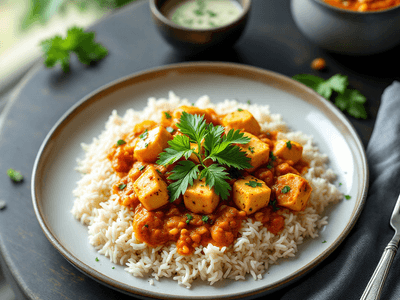
📸 Image coming soon for Vrat Kuttu Ki Roti
Vrat Kuttu Ki Roti
Vrat Friendly • India
How to Make Vrat Kuttu Ki Roti (Traditional & Healthy Version)
Vrat Kuttu Ki Roti is a classic North Indian delicacy, especially cherished during religious fasting periods such as Navratri, Shivratri, and Ekadashi. Made with kuttu ka atta (buckwheat flour), this wholesome roti is not just a staple during 'vrat' but also a healthy alternative to wheat-based rotis. Its earthy, nutty flavor and crisp texture make it a delightful accompaniment to sabudana or aloo sabzi. Traditionally, ingredients are carefully selected to comply with fasting rituals, making this recipe both spiritual and nourishing. Originating from Uttar Pradesh and neighboring regions, Kuttu Ki Roti is a must-have in festive thalis, symbolizing purity and simplicity. The use of buckwheat flour, a gluten-free grain, aligns perfectly with dietary restrictions during fasting. Unlike regular rotis, Kuttu Ki Roti is prepared without wheat, often combined with boiled potatoes to bind the dough, reflecting the ingenuity of Indian home cooks. Its subtle flavor and easy digestibility have made it a favorite in North Indian households. Beyond its religious significance, Vrat Kuttu Ki Roti has found a place in modern health-conscious diets. Its high fiber, mineral-rich profile and vegetarian nature appeal to those seeking nutritious Indian recipes. Whether paired with vrat-friendly curries or enjoyed solo with yogurt, this roti delivers authentic taste and cultural richness, making it an ideal choice for calorie-conscious food lovers.
Ingredients(for 2 rotis per serving)
- 1 cup Kuttu ka atta (buckwheat flour) (buckwheat flour, gluten-free)
- 1 medium Boiled potatoes (aloo, mashed)
- 1/2 tsp Sendha namak (rock salt, vrat-safe)
- 1 Green chillies (finely chopped, hari mirch) - optional
- 2 tbsp Coriander leaves (dhaniya, chopped) - optional
- 1/2 tsp Cumin seeds (jeera) - optional
- as needed Water (for kneading)
- 1 tsp Ghee (for cooking, can use oil for vegan) - optional
- 1/4 tsp Black pepper powder (optional, kali mirch) - optional
Instructions
- 1
Peel and mash the boiled potato thoroughly. Ensure there are no lumps for a smooth dough.
5 minutes
Mash potatoes while warm for easy blending.
- 2
In a mixing bowl, combine kuttu ka atta, mashed potato, sendha namak, green chillies, coriander leaves, cumin seeds, and black pepper powder.
5 minutes
Add spices as per taste and vrat guidelines.
- 3
Gradually add water and knead the mixture into a soft, pliable dough. The potato helps bind the gluten-free flour.
5 minutes
Sprinkle water little by little to avoid sticky dough.
- 4
Divide the dough into equal portions. Using a plastic sheet or banana leaf, gently pat each portion into a round roti with your fingers.
5 minutes
Wet your hands to prevent sticking.
Why This Dish is Healthy
Vrat Kuttu Ki Roti is a healthy Indian fasting recipe because it uses whole buckwheat flour, which is high in fiber and free from refined grains. The absence of wheat and use of sendha namak make it ideal for those seeking low-sodium, gluten-free options. It is cooked with minimal ghee, ensuring lower calories. The addition of fresh herbs and spices boosts micronutrients, making it a wholesome choice for weight loss, diabetic diets, and general wellness.
Kuttu ka atta is a powerhouse of nutrition, rich in fiber, protein, and essential minerals like magnesium and iron. It is naturally gluten-free, making it suitable for those with gluten intolerance. The addition of boiled potatoes adds potassium and vitamins, while coriander leaves provide antioxidants. Using sendha namak ensures sodium levels are balanced during fasting. Overall, this dish offers complex carbohydrates, moderate protein, and minimal fat, supporting digestive health and sustained energy.
Pro Tips
- 💡Tip 1: Use banana leaf or plastic sheet to easily pat the dough without sticking.
- 💡Tip 2: Mash potatoes thoroughly to ensure smooth, non-breakable rotis.
- 💡Tip 3: Cook on medium flame for evenly cooked, crisp rotis.
Storage & Serving
Kuttu Ki Roti is best enjoyed fresh. If storing, keep in an airtight container for up to 12 hours; reheat on tawa for best results. Avoid refrigeration as it can harden.
Best served: Breakfast or Lunch
Nutrition Facts
| Nutrient | Per 100g |
|---|---|
| Energy | 155.0 kcal |
| Protein | 5.0 g |
| Carbohydrates | 27.0 g |
| Total Fat | 4.0 g |
| Fiber | 3.0 g |