Steam Rice
Snacks • India
How to Make Steam Rice (Traditional & Healthy Version)
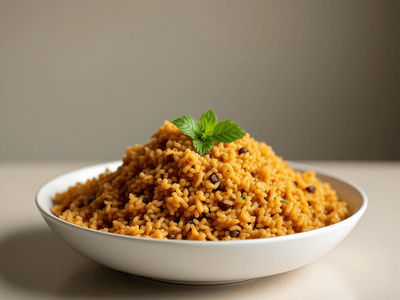
Steam Rice, known as 'Chawal' in Hindi, is a staple food across India, gracing the tables of households from Kashmir to Kanyakumari. Its simple yet comforting nature makes it a versatile accompaniment to a myriad of Indian curries, dals, and sabzis. The art of steaming rice perfectly is cherished in Indian kitchens, where the fragrance of freshly cooked rice often signals the beginning of a hearty meal. Whether it's a festive feast or a regular lunch, Steam Rice holds cultural importance, especially during festivals like Pongal, Onam, and Baisakhi, where it is often the centerpiece of a traditional thali. The beauty of Steam Rice lies in its adaptability and the subtle, nutty aroma that complements both spicy and mild dishes. Its neutral taste acts as a canvas for bold Indian flavors. From the basmati fields of North India to the short-grain varieties relished in the Southern states, each region brings its unique touch to the preparation and serving of steam rice. Choosing high-quality rice and following age-old steaming techniques ensures a fluffy, non-sticky texture that is both satisfying and wholesome. Steam Rice is an essential, health-conscious choice for anyone seeking a nutritious, easily digestible, and energy-rich addition to their Indian diet.
Ingredients(for 1 cup cooked rice per serving)
- 1 cup Basmati rice (चावल (can use any short or long grain Indian rice))
- 2 cups Water (पानी)
- 1/4 tsp Salt (नमक, optional) - optional
- 1/2 tsp Ghee (घी, optional for flavor) - optional
- few drops Lemon juice (नींबू का रस, prevents sticking) - optional
- 1 small Bay leaf (तेज पत्ता, optional for aroma) - optional
- 2 Cloves (लौंग, optional) - optional
- 1 pod Cardamom (इलायची, optional) - optional
Instructions
- 1
Measure 1 cup of basmati rice and rinse thoroughly under running water until the water runs clear. Soak the rice in water for 10-15 minutes.
15 minutes
Soaking helps the grains cook evenly and prevents breakage.
- 2
Drain the soaked rice using a sieve and set aside.
2 minutes
Draining ensures the correct water-to-rice ratio during cooking.
- 3
In a heavy-bottomed pan or patila, add 2 cups of water and bring to a gentle boil. Add bay leaf, cloves, cardamom, and salt if desired.
3 minutes
Adding whole spices infuses subtle aroma to the rice.
- 4
Gently add the drained rice to the boiling water. Stir once to distribute the grains evenly.
1 minute
Do not over-stir, as this may break the delicate grains.
Why This Dish is Healthy
This dish is naturally gluten-free, easily digestible, and light on the stomach—making it suitable for all age groups. By using minimal oil or ghee, Steam Rice remains low in saturated fat. It can be prepared without added salt for those on sodium-restricted diets, and its simplicity allows for pairing with protein- and fiber-rich Indian curries to enhance overall nutrition.
Steam Rice is low in fat and cholesterol-free, making it a heart-healthy choice. It is rich in carbohydrates, providing energy for daily activities, and contains a small amount of protein. Rice also offers essential minerals like magnesium and manganese. When paired with dals or legumes, it forms a complete protein, ideal for vegetarian diets. Opting for brown rice increases dietary fiber, which aids in digestion and keeps you fuller for longer.
Pro Tips
- 💡Tip 1: Soaking rice before cooking ensures long, separate grains and reduces cooking time.
- 💡Tip 2: Use a heavy-bottomed vessel or patila to prevent burning or sticking.
- 💡Tip 3: Fluff rice gently with a fork instead of a spoon to keep the grains intact.
Storage & Serving
Allow leftover rice to cool completely before storing in an airtight container in the refrigerator for up to 2 days. Reheat by steaming or sprinkling with water and microwaving until hot. Avoid leaving cooked rice at room temperature for long periods to prevent spoilage.
Best served: Lunch
Nutrition Facts
| Nutrient | Per 100g |
|---|---|
| Energy | 250.0 kcal |