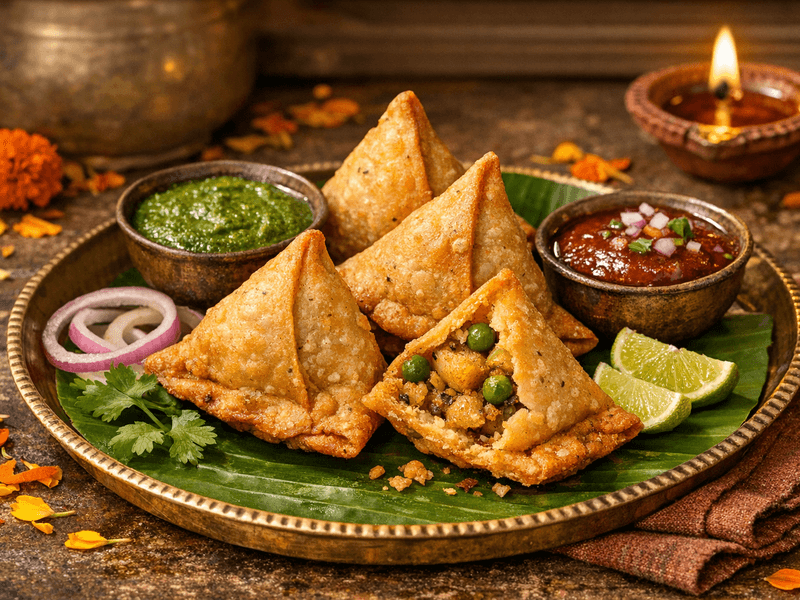
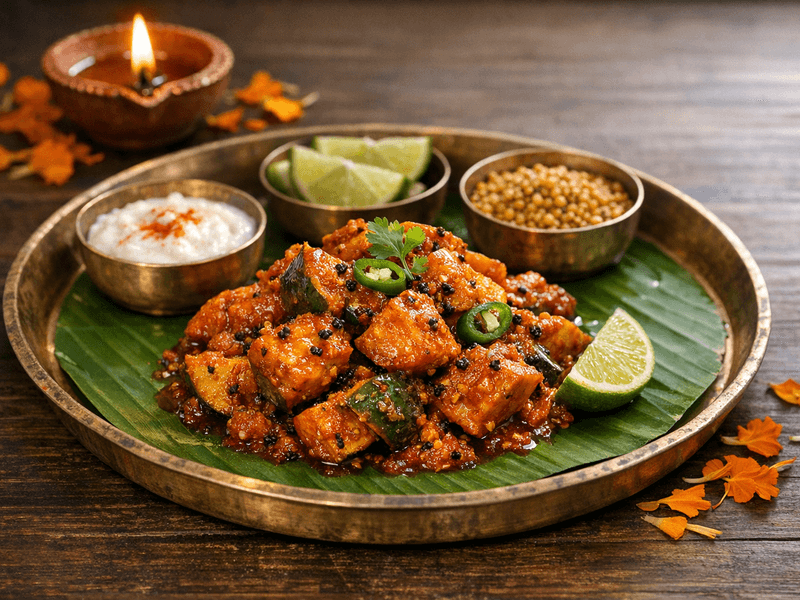
📸 Image coming soon for Pav Bhaji
Pav Bhaji
Snacks • India
How to Make Pav Bhaji (Traditional & Healthy Version)
Pav Bhaji is one of India's most iconic street foods, originating from the bustling lanes of Mumbai in West India. This vegetarian snack is a vibrant, spicy vegetable mash (bhaji) served with soft, toasted buns (pav), creating a hearty meal that's beloved by all ages. The dish was first crafted as a quick, nutritious lunch for textile workers, and has since become a staple at festivals, gatherings, and family celebrations across India. Its irresistible aroma, colorful presentation, and adaptability make Pav Bhaji a standout choice for snacks, especially during occasions like Diwali or Ganesh Chaturthi, when festive foods are enjoyed. What sets Pav Bhaji apart is its unique blend of vegetables—potatoes (aloo), cauliflower (phool gobhi), peas (matar), and capsicum (shimla mirch)—all cooked together with signature Indian spices like Pav Bhaji masala, turmeric (haldi), and cumin (jeera) on a tawa. The bhaji is served piping hot, garnished with fresh coriander (dhaniya) and accompanied by lightly buttered pav. This healthy version uses minimal oil and incorporates extra vegetables, making it a guilt-free delight for calorie-conscious food lovers. Whether enjoyed as an evening snack or a light meal, Pav Bhaji's unmatched taste and nutritional richness make it a great choice for those seeking authentic Indian flavors without compromising on health. Its versatility allows for regional adaptations, and it remains a favorite across Maharashtra, Gujarat, and beyond.
Ingredients(for 1 plate bhaji with 2 pav buns)
- 1 cup, boiled and mashed Potatoes (aloo)
- 1/2 cup, finely chopped Cauliflower (phool gobhi)
- 1/2 cup, boiled Green peas (matar)
- 1/2 cup, finely chopped Capsicum (shimla mirch)
- 1 cup, finely chopped Tomatoes (tamatar)
- 1/2 cup, finely chopped Onion (pyaz)
- 2 tsp Pav Bhaji masala (readymade or homemade)
- 1/2 tsp Turmeric (haldi)
- 1/2 tsp Cumin seeds (jeera)
- 1/2 tsp Chili powder (lal mirch)
- to taste Salt
- 1 tbsp Butter (use low-fat for healthier version)
- 4 Whole wheat pav buns (atta pav for healthier option)
- 2 tbsp, chopped Coriander leaves (dhaniya)
- 2 Lemon wedges (nimbu) - optional
Instructions
- 1
Heat a tawa over medium flame. Add 1/2 tbsp butter and cumin seeds (jeera). Sauté until fragrant.
2 minutes
Use a heavy tawa for even heat distribution.
- 2
Add onions (pyaz) and cook till translucent. Stir in capsicum (shimla mirch) and sauté for 2 minutes.
4 minutes
Chop vegetables finely for a smoother bhaji.
- 3
Add tomatoes (tamatar), turmeric (haldi), chili powder (lal mirch), and salt. Cook until tomatoes turn mushy.
5 minutes
Mash tomatoes well for better consistency.
- 4
Add boiled potatoes (aloo), cauliflower (phool gobhi), and green peas (matar). Sprinkle Pav Bhaji masala. Mix and mash vegetables thoroughly using a masher.
5 minutes
Mash directly on tawa for authentic texture.
Why This Dish is Healthy
This healthy Pav Bhaji recipe uses whole wheat pav instead of refined flour buns, incorporates extra vegetables for increased vitamins and fibre, and uses minimal butter. It's ideal for weight watchers and those seeking a nutrient-dense meal without excess calories. The recipe is adaptable for vegan and diabetic-friendly versions, ensuring it suits diverse dietary needs.
Pav Bhaji is packed with nutrients from assorted vegetables, providing dietary fibre, vitamins A, C, and B-complex, and essential minerals like potassium and iron. The use of whole wheat pav increases fibre and protein content, while the minimal butter helps keep saturated fat low. Tomatoes and capsicum add antioxidants, and peas supply plant-based protein, making this dish balanced for macro and micronutrients.
Pro Tips
- 💡Tip 1: Mash veggies thoroughly for smooth, restaurant-style bhaji.
- 💡Tip 2: Use homemade Pav Bhaji masala for enhanced flavor.
- 💡Tip 3: Garnish with fresh coriander and lemon for freshness.
Storage & Serving
Store leftover bhaji in an airtight container in the refrigerator for up to 2 days. Reheat on tawa, adding a splash of water to restore consistency. Pav should be toasted fresh for best taste.
Best served: Breakfast or Lunch
Nutrition Facts
| Nutrient | Per 100g |
|---|---|
| Energy | 400.0 kcal |
| Protein | 3.0 g |
| Carbohydrates | 20.0 g |
| Total Fat | 5.0 g |
| Fiber | 3.0 g |