Basanti Pulao
Rice Dishes • India
About Basanti Pulao
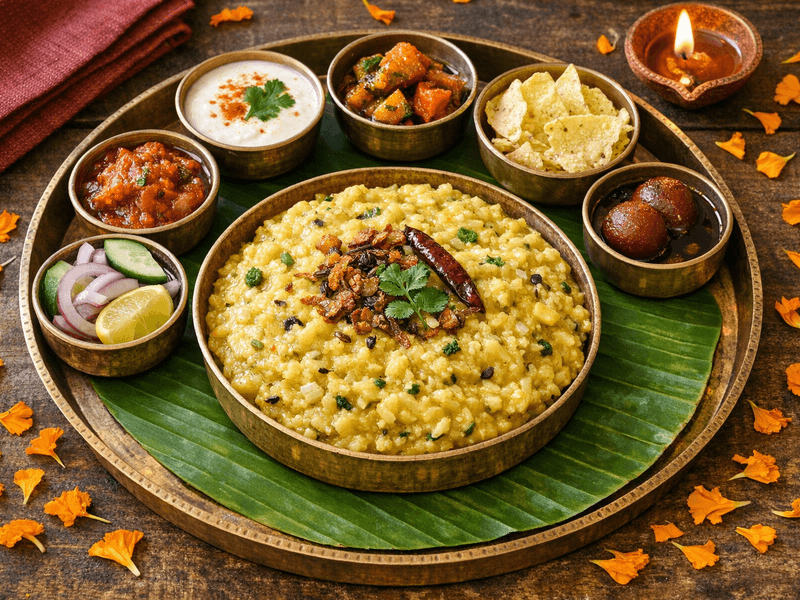
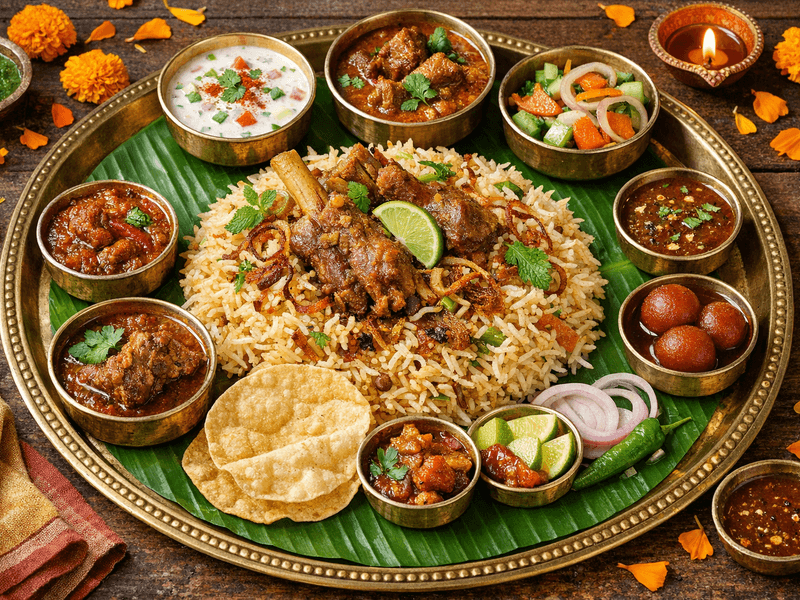
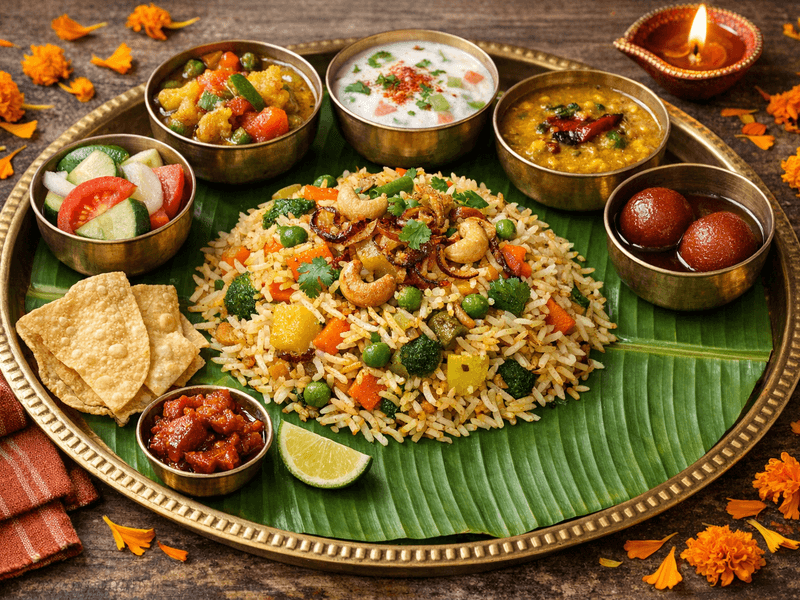
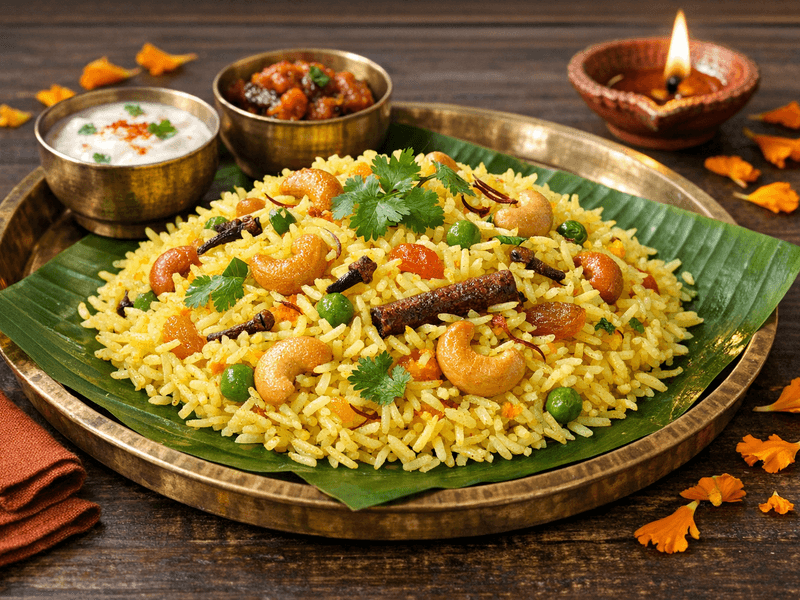
Yellow saffron-tinted Bengali pulao with cashews, raisins, and a hint of sugar. Pairs with kosha mangsho. The mild-sweet pulao of Bengali weddings.
How to Make Basanti Pulao (Traditional & Healthy Version)
Basanti Pulao, also known as Mishti Pulao, is a fragrant, golden-hued rice dish that hails from the heart of Bengal, East India. Traditionally prepared during auspicious occasions, this Bengali classic gets its signature color from turmeric (haldi) and sweetness from a touch of sugar, making it a festive favorite for Holi, Durga Puja, and Bengali New Year (Poila Boishakh). The subtle aroma of gobindobhog rice, ghee, and whole spices like cardamom (elaichi) and cinnamon (dalchini) combine to create an irresistible, slightly sweet flavor profile that pairs perfectly with rich curries or simple raita. This recipe offers a lighter, health-conscious take on Basanti Pulao, using minimal ghee and natural sweeteners while retaining the authentic taste. Each serving is packed with the goodness of whole spices and dry fruits, making it both flavorful and nutritious. Basanti Pulao is ideal for celebratory meals, family gatherings, or as a special addition to your weekend lunch menu. Its vibrant color, inviting aroma, and gentle sweetness make it a delightful vegetarian rice dish that brings tradition and taste together on your plate.
Ingredients(for 1 medium bowl (approx. 150g cooked rice))
- 1 cup Gobindobhog rice (can use basmati as alternative)
- 1 tablespoon Ghee (clarified butter)
- 1/2 teaspoon Turmeric powder (haldi)
- 4 pods Green cardamom (elaichi)
- 1 inch Cinnamon stick (dalchini)
- 3 Cloves (laung)
- 1 Bay leaf (tej patta)
- 2 tablespoons Raisins (kishmish)
- 2 tablespoons Cashew nuts (kaju, broken)
- 1 tablespoon Sugar (can use raw sugar or stevia for lower calories)
- as per taste Salt (namak)
- 2 cups Water (for cooking rice)
Instructions
- 1
Rinse gobindobhog rice gently in water 2-3 times until the water runs clear. Soak for 15 minutes, then drain.
15 minutes
Soaking helps rice cook evenly and remain fluffy.
- 2
Heat ghee in a heavy-bottomed kadhai or handi. Add bay leaf, cardamom, cinnamon, and cloves. Sauté on low heat until aromatic.
2 minutes
Don't burn the spices; gentle roasting releases maximum aroma.
- 3
Add cashew nuts and raisins. Sauté till cashews turn golden and raisins plump up.
2 minutes
Stir constantly for even browning and to prevent burning.
- 4
Add drained rice and sauté gently for 2-3 minutes until each grain is well-coated with ghee and turns glossy.
3 minutes
Do not break the rice grains; gentle stirring is key.
Why This Dish is Healthy
This lighter version of Basanti Pulao uses minimal ghee and a moderate amount of sugar, making it suitable for calorie-conscious individuals. The inclusion of nuts and raisins boosts the nutritional profile, while turmeric and whole spices support overall wellness. Cooking with gobindobhog or basmati rice ensures a low-glycemic index, helping with better blood sugar management. It's a balanced, guilt-free indulgence for festival days.
Basanti Pulao is a wholesome rice dish rich in complex carbohydrates, providing sustained energy. The use of ghee in moderation adds healthy fats, while dry fruits like cashew nuts and raisins contribute dietary fiber, vitamins B and E, antioxidants, and essential minerals like magnesium and potassium. Spices like turmeric offer anti-inflammatory properties and aid digestion. This vegetarian recipe is gluten-free and can be adapted for vegan diets.
Pro Tips
- 💡Tip 1: Always use premium quality gobindobhog rice for authentic aroma and texture.
- 💡Tip 2: Do not overcook; remove from heat as soon as water is absorbed.
- 💡Tip 3: Garnish with a few saffron strands for enhanced flavor and color.
Storage & Serving
Store leftover Basanti Pulao in an airtight container in the refrigerator for up to 2 days. Reheat gently in a pan or microwave, sprinkling a little water to keep the rice moist.
Best served: Lunch
Nutrition Facts
| Nutrient | Per 100g |
|---|---|
| Energy | 180.0 kcal |
| Protein | 3.0 g |
| Carbohydrates | 34.0 g |
| Total Fat | 4.0 g |
| Fiber | 1.0 g |
| Sugars | 3.8 g |
| Sodium | 11.0 mg |
| Potassium | 55.0 mg |
| Cholesterol | 4.0 mg |
| Vitamin A | 65.0 IU |
| Vitamin C | 0.2 mg |
| Calcium | 12.0 mg |
| Iron | 0.7 mg |
| Magnesium | 14.0 mg |
| Zinc | 0.4 mg |
| Phosphorus | 38.0 mg |
| Vitamin D | 0.1 IU |
| Vitamin B1 (Thiamine) | 0.1 mg |
| Vitamin B2 (Riboflavin) | 0.0 mg |
| Vitamin B3 (Niacin) | 0.7 mg |
| Vitamin B6 | 0.1 mg |
| Vitamin B12 | 0.0 µg |
| Folate | 8.0 µg |