Millet Noodles
Noodles • India
How to Make Millet Noodles (Traditional & Healthy Version)
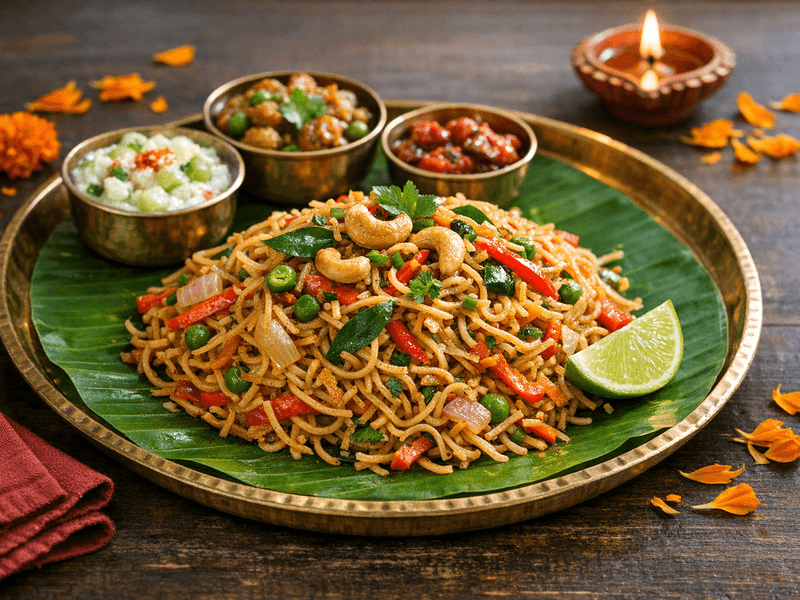
Millet Noodles are a wholesome and nutritious twist on classic noodles, blending the time-honored goodness of millets with the beloved flavors of Indian spices and fresh vegetables. Millets, known as 'bajra', 'jowar', or 'ragi' in various Indian regions, have been part of our culinary heritage for centuries, prized for their resilience and health benefits. Millet Noodles bring together the best of traditional grains and modern tastes, offering a delicious, fiber-rich alternative to maida-based noodles. With their light, earthy flavor and satisfying texture, Millet Noodles are perfect for those seeking a gluten-free or high-fiber meal. They are increasingly popular across India, especially in urban kitchens and during festivals like Navratri, where millet-based dishes are often enjoyed as part of fasting rituals. Easy to prepare and endlessly adaptable, Millet Noodles can be quickly tossed with seasonal sabzi (vegetables) and Indian masalas, making them a favorite for both weeknight dinners and festive occasions. Enjoy this guilt-free noodle dish that keeps you energized and supports a healthy lifestyle, all while celebrating the rich culinary traditions of India.
Ingredients(for 1 medium bowl (approx. 200g cooked millet noodles with vegetables))
- 100g Millet noodles (bajra/jowar/ragi based, store-bought or homemade)
- 1 small Carrot (finely julienned (gajar))
- 1/2 medium Capsicum (thinly sliced (shimla mirch))
- 6-8 French beans (finely chopped)
- 1 small Onion (thinly sliced (pyaaz))
- 1 Green chili (slit, optional for spice) - optional
- 1 tsp Ginger (finely chopped (adrak))
- 2 cloves Garlic (finely chopped (lehsun))
- 1 tbsp Oil (cold-pressed or olive oil)
- 1/2 tsp Mustard seeds (rai)
- 6-8 Curry leaves (kadi patta) - optional
- to taste Salt (namak)
- 1/4 tsp Black pepper powder (kali mirch)
- 1 tsp Lemon juice (nimbu ras) - optional
- 1 tbsp Coriander leaves (chopped, dhania patta) - optional
Instructions
- 1
Boil 4 cups of water in a saucepan. Add millet noodles and a pinch of salt. Cook as per packet instructions (usually 5-7 minutes) until al dente. Drain and rinse under cold water to stop cooking. Toss with a few drops of oil to prevent sticking.
7 minutes
Do not overcook millet noodles as they can become mushy.
- 2
Heat oil in a kadhai or large pan. Add mustard seeds and let them splutter, then add curry leaves, chopped ginger, and garlic. Sauté until aromatic.
3 minutes
For extra flavor, add a pinch of hing (asafoetida).
- 3
Add sliced onions and green chili. Sauté until onions turn translucent.
2 minutes
Skip chilies for a milder version for kids.
- 4
Add chopped French beans, carrot, and capsicum. Stir-fry on high flame for 3-4 minutes, keeping vegetables slightly crunchy.
4 minutes
Do not overcook the veggies; a slight crunch adds to the dish's appeal.
Why This Dish is Healthy
Choosing Millet Noodles over regular refined flour noodles reduces empty calories and increases nutrient density. Millets are naturally gluten-free, support weight management, and promote gut health due to their high fiber content. The inclusion of seasonal vegetables enhances the dish with vitamins, minerals, and antioxidants, making it suitable for those seeking a healthy, filling, and flavorful Indian meal. This recipe uses minimal oil and no artificial additives, making it perfect for calorie-conscious eaters.
Millet Noodles are rich in dietary fiber, B-vitamins, iron, magnesium, and antioxidants, making them an excellent choice for a balanced diet. The use of whole millets like bajra, jowar, or ragi ensures a low glycemic index, helping stabilize blood sugar levels. Fresh vegetables add essential vitamins A, C, and phytonutrients, while minimal oil keeps the fat content low. This dish supports heart health, digestion, and provides slow-releasing energy—ideal for active lifestyles and fasting periods.
Pro Tips
- 💡Tip 1: Use a mix of millets like bajra and ragi for a more complex flavor and higher nutrition.
- 💡Tip 2: Always rinse boiled noodles in cold water to prevent stickiness.
- 💡Tip 3: Stir-fry vegetables on high heat to retain their crunch and color.
Storage & Serving
Store leftover Millet Noodles in an airtight container in the refrigerator for up to 24 hours. Reheat in a pan, sprinkling a few drops of water to restore moisture. Avoid freezing as millet noodles can lose texture.
Best served: Breakfast or Lunch
Nutrition Facts
| Nutrient | Per 100g |
|---|---|
| Energy | 305.0 kcal |
| Protein | 9.0 g |
| Carbohydrates | 53.0 g |
| Total Fat | 6.0 g |