Yellow Dal with Rice
Lunch • India
How to Make Yellow Dal with Rice (Traditional & Healthy Version)
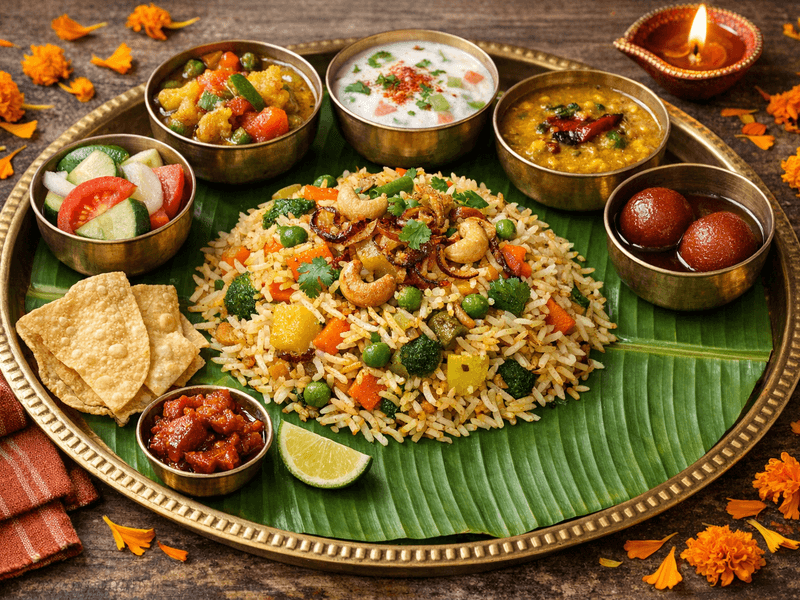
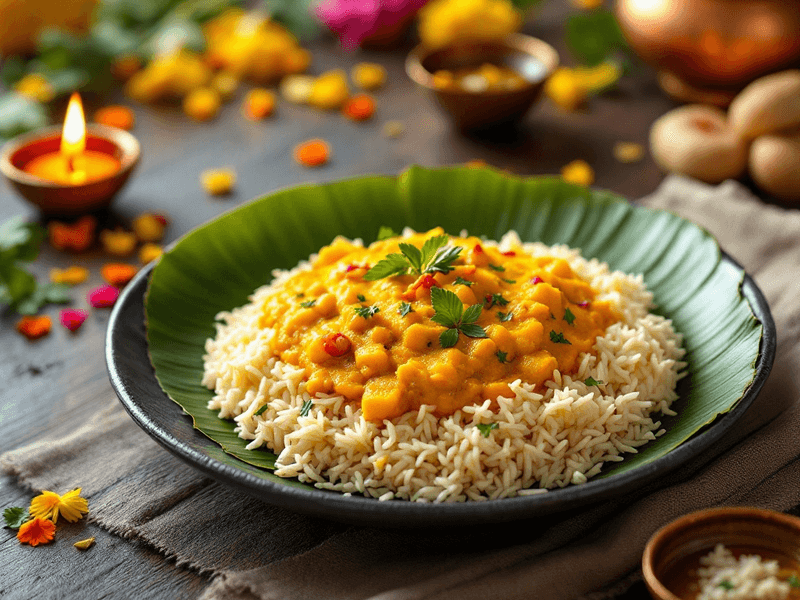
Yellow Dal with Rice, known as 'Dal Chawal' across India, is a beloved staple that embodies the heart of Indian home-cooked meals. This dish pairs aromatic steamed rice with a comforting yellow dal, typically made from moong dal (split yellow lentils) or toor dal (arhar dal). Its roots trace back to almost every region of India, from the kitchens of Punjab to the households of Maharashtra and the southern states. The combination is celebrated for its simplicity, nourishment, and balanced flavors—a perfect harmony of mild spices, creamy lentils, and fluffy rice. Yellow Dal with Rice is more than just a meal; it's a cultural icon. Served daily in Indian homes, it forms the backbone of vegetarian lunches and is especially prominent during festivals like Navratri and Diwali, when sattvic food is preferred. The dish is gentle on the palate, making it suitable for all ages and health-conscious individuals. Its mild, earthy taste is elevated with a tadka (tempering) of cumin, ginger, and garlic, offering both flavor and aroma. Whether enjoyed with a dollop of ghee or paired with papad and achar, Dal Chawal is a wholesome, satisfying meal that brings families together.
Ingredients(for 1 bowl dal (200 ml) with 1 cup steamed rice (150 g))
- 1/2 cup Moong Dal (Yellow Split Lentils) (मूंग दाल)
- 1 cup Rice (Basmati or local variety)
- 4 cups Water (for cooking dal and rice)
- 1/2 tsp Turmeric Powder (हल्दी)
- 1 tsp Cumin Seeds (जीरा)
- 1 inch Ginger (finely chopped or grated)
- 2 cloves Garlic (finely chopped)
- to taste Salt (नमक)
- 1 tbsp Oil (Mustard or sunflower oil)
- 2 tbsp Fresh Coriander Leaves (धनिया पत्ता, chopped) - optional
- 1 Green Chili (optional, finely chopped) - optional
Instructions
- 1
Wash the moong dal thoroughly under running water. Soak it for 10 minutes to soften.
5 minutes
Soaking dal reduces cooking time and improves digestibility.
- 2
In a pressure cooker or deep pan, add soaked dal, 2 cups water, turmeric powder, and salt. Cook until dal is soft (3 whistles or 15 minutes on simmer).
15 minutes
Do not overcook; dal should be creamy but not mushy.
- 3
While dal cooks, rinse rice until water runs clear. In a separate pan, add rice and 2 cups water. Bring to a boil, then simmer covered until rice is fluffy.
10 minutes
Use a lid to trap steam for perfectly cooked rice.
- 4
Prepare tadka: Heat oil in a small tawa or pan. Add cumin seeds, let them splutter. Add ginger, garlic, and green chili (optional). Sauté till fragrant.
3 minutes
Tadka adds depth and aroma to dal; don't burn spices.
Why This Dish is Healthy
This dish is a healthy lunch choice because it combines protein-rich lentils with low-fat rice, creating a balanced meal for vegetarians. The use of minimal oil, fresh ginger, garlic, and turmeric ensures heart-health and boosts immunity. Yellow Dal with Rice is ideal for calorie tracking, weight management, and diabetic diets, as it offers controlled portions and plenty of fiber, helping you stay full without excess calories.
Yellow Dal with Rice is a powerhouse of nutrition. Moong dal provides high-quality plant protein, essential for muscle repair and growth, along with dietary fiber that aids digestion and keeps you full. Rice supplies complex carbohydrates for sustained energy, while turmeric and cumin offer anti-inflammatory and antioxidant properties. The dish is naturally gluten-free, low in saturated fat, and supplies vitamins like B-complex, iron, and magnesium. It's gentle on the stomach and suitable for most diets.
Pro Tips
- 💡Tip 1: Soak dal for 10-15 minutes to reduce cooking time and enhance flavor.
- 💡Tip 2: Prepare tadka just before serving for maximum aroma.
- 💡Tip 3: Use brown rice for added fiber and nutritional benefits.
Storage & Serving
Store leftover dal in an airtight container in the refrigerator for up to 2 days. Rice can be refrigerated separately. Reheat dal on the stove or microwave, adding a splash of water to restore consistency.
Best served: Lunch
Nutrition Facts
| Nutrient | Per 100g |
|---|---|
| Energy | 325.0 kcal |
| Protein | 4.0 g |
| Carbohydrates | 24.0 g |
| Total Fat | 2.0 g |
| Fiber | 2.0 g |