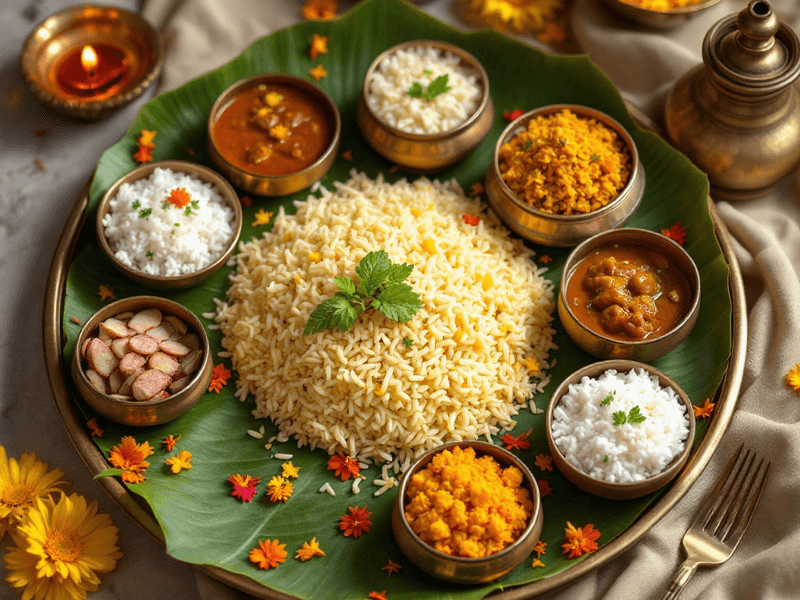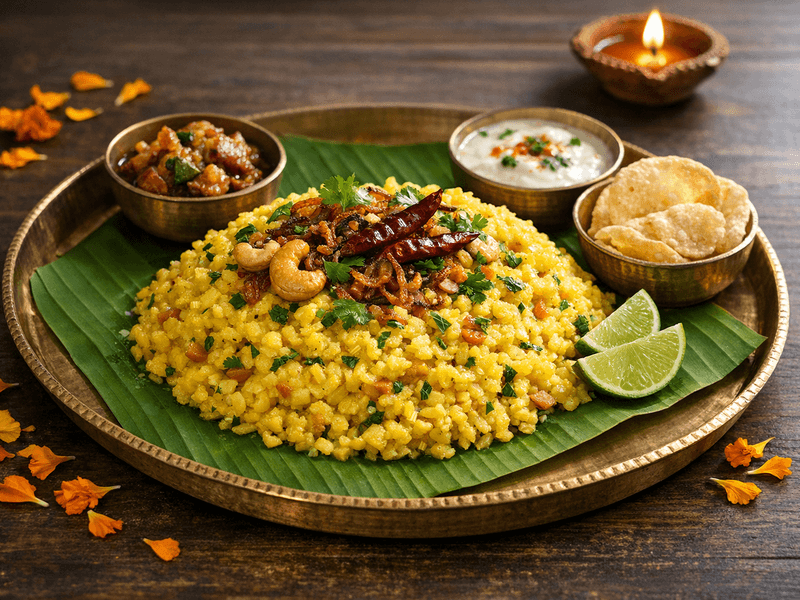
Yellow Dal Khichdi
Lunch • India
How to Make Yellow Dal Khichdi (Traditional & Healthy Version)
Yellow Dal Khichdi is a beloved comfort food in West India, renowned for its simplicity, nutrition, and soul-satisfying taste. Khichdi has deep roots in Indian culture, often considered the go-to meal for wellness, festivals, and everyday lunch. Made with yellow moong dal (mung beans) and rice, it brings together wholesome ingredients in one pot, offering a balance of carbohydrates, proteins, and essential vitamins. Its gentle spices and soft texture make it universally appealing—from toddlers to elders. In Gujarat and Maharashtra, Yellow Dal Khichdi is a staple during festivals like Makar Sankranti and Navratri, symbolizing purity and nourishment. Traditionally served with a dollop of ghee, achar (pickle), and papad, it’s a dish that evokes nostalgia and warmth. The subtle flavor of hing (asafoetida), cumin, and turmeric gives it a distinctive taste, while the addition of vegetables enhances both nutrition and color. Perfect for lunch, Yellow Dal Khichdi is light on the stomach and easy to digest, making it ideal for fasting days, post-festival detox, or as a comforting meal for anyone seeking wholesome Indian food. This recipe offers a health-conscious twist while preserving its authentic West Indian charm. It’s easy to prepare, requires minimal ingredients, and offers plenty of room for regional variation—whether you prefer it plain, with veggies, or topped with fresh coriander. Yellow Dal Khichdi is truly a celebration of India’s culinary heritage and a testament to the country’s love for nourishing, flavorful food.
Ingredients(for 1 medium bowl per serving)
- 1/2 cup Yellow moong dal (mung beans; called 'moong dal' in Hindi)
- 1/2 cup Rice (short grain rice preferred (like 'kolam' or 'ambemohar'))
- 1/4 cup Carrot (finely chopped) - optional
- 1/4 cup Green peas (fresh or frozen) - optional
- 1 teaspoon Cumin seeds (jeera)
- 1/2 teaspoon Turmeric powder (haldi)
- 1/8 teaspoon Asafoetida (hing)
- to taste Salt (namak)
- 1 tablespoon Ghee (clarified butter)
- 3 cups Water (for cooking)
- 1 tablespoon Fresh coriander leaves (finely chopped, dhania) - optional
Instructions
- 1
Rinse the yellow moong dal and rice together under running water until water runs clear. Soak them for 10 minutes.
10 minutes
Soaking helps reduce cooking time and improves digestibility.
- 2
Heat ghee in a heavy-bottomed pan or pressure cooker. Add cumin seeds and let them splutter. Add hing and sauté for a few seconds.
2 minutes
Don’t skip hing—it aids digestion and adds a distinct aroma.
- 3
Add the soaked dal and rice. Sauté for a minute, then add turmeric powder and salt. Mix well.
2 minutes
Sautéing dal and rice in ghee enhances flavor and prevents sticking.
- 4
Add carrots and green peas (if using) and stir. Pour in 3 cups of water. Stir to combine.
2 minutes
Adding vegetables boosts nutrition and makes khichdi colorful.
Why This Dish is Healthy
This recipe is ideal for health-conscious individuals as it is easy to digest, low in calories, and high in protein. The use of minimal oil (ghee) and the inclusion of fiber-rich vegetables make it filling without being heavy. Yellow Dal Khichdi is recommended for weight loss, diabetic diets, and recovery meals due to its gentle, nourishing profile. It’s naturally gluten-free and can be adapted for vegan diets by replacing ghee with plant-based oil.
Yellow Dal Khichdi is a powerhouse of nutrition, offering a balanced mix of protein from moong dal, complex carbohydrates from rice, and fiber from vegetables. Moong dal is rich in B vitamins, iron, and potassium, while the addition of turmeric provides anti-inflammatory benefits. The dish is low in fat (especially if ghee is used sparingly) and gluten-free, making it suitable for most diets. Vegetables add vitamins A and C and antioxidants, enhancing overall health.
Pro Tips
- 💡Tip 1: Adjust water based on desired consistency—thicker for lunch, thinner for fasting days.
- 💡Tip 2: Always sauté dal and rice in ghee for enhanced flavor and aroma.
- 💡Tip 3: Use fresh vegetables seasonally to boost both taste and nutrition.
Storage & Serving
Khichdi can be refrigerated in an airtight container for up to 2 days. Reheat with a splash of water to restore its creamy consistency. Avoid freezing as the texture may change.
Best served: Lunch
Nutrition Facts
| Nutrient | Per 100g |
|---|---|
| Energy | 250.0 kcal |