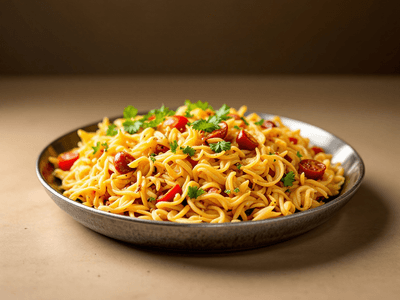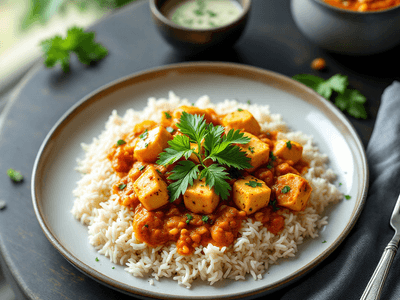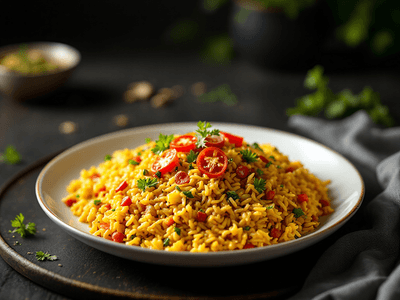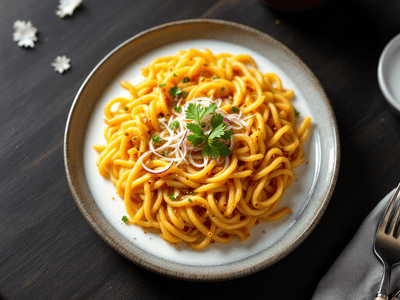
Yellow Dal Fry
Lunch • India
How to Make Yellow Dal Fry (Traditional & Healthy Version)
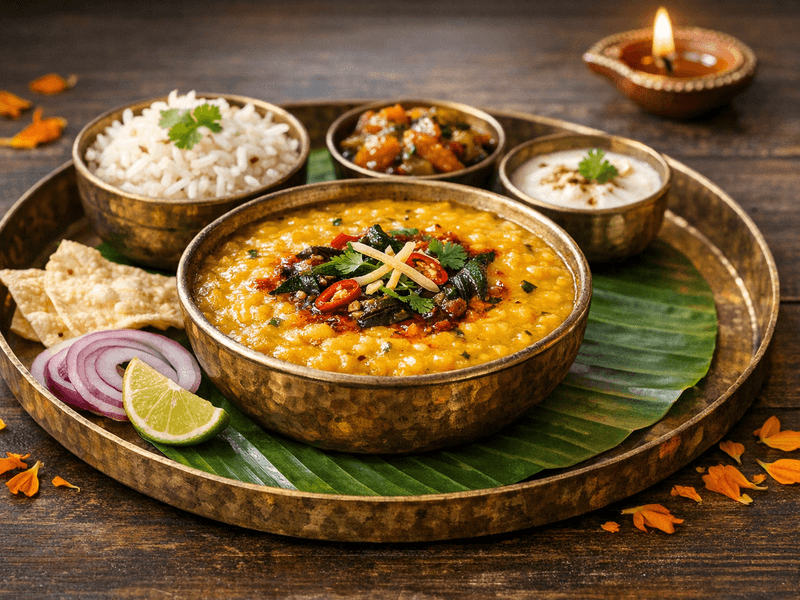
Yellow Dal Fry is a beloved North Indian dish, often enjoyed as a comforting lunch or dinner staple across households. Made with yellow moong dal or toor dal (arhar dal), it is simmered with aromatic spices, fresh ginger, garlic, and a tadka (tempering) of mustard seeds and cumin. The dish is renowned for its vibrant yellow color and rich, earthy aroma. Yellow Dal Fry is commonly served with steamed basmati rice or roti, making it a wholesome and satisfying meal. Originating from the heart of North India, Yellow Dal Fry is a dish that beautifully combines nutrition and tradition. It is especially popular during festivals such as Holi and Diwali, when families gather to enjoy hearty vegetarian fare. The taste is a balanced blend of spicy, tangy, and savory, with a hint of smokiness from the tadka. Its comforting flavor profile makes it a favorite across all age groups, and it is often featured in thalis (platter meals) at dhabas and restaurants. Choosing Yellow Dal Fry for lunch is not just about taste—it’s about embracing the rich food heritage of India. The dish is simple to prepare, requiring basic pantry ingredients and minimal oil. Its versatility allows for regional variations, such as adding tomatoes in Punjab or a splash of lemon in Uttar Pradesh. Whether paired with jeera rice or whole wheat atta roti, Yellow Dal Fry is a delicious, health-conscious choice for anyone looking to enjoy authentic Indian cuisine.
Ingredients(for Approx. 1 bowl (200 ml) per serving)
- 1 cup Yellow moong dal (or toor dal) (arhar dal or moong dal)
- 3 cups Water
- 1 medium Onion (finely chopped)
- 1 medium Tomato (finely chopped)
- 1 inch Ginger (grated (adrak))
- 2 cloves Garlic (finely chopped (lehsun))
- 1 Green chili (slit (hari mirch)) - optional
- 1 tsp Cumin seeds (jeera)
- 1/2 tsp Mustard seeds (rai)
- 1/2 tsp Turmeric powder (haldi)
- 1/2 tsp Red chili powder (lal mirch)
- to taste Salt (namak)
- 1 tbsp Oil (preferably mustard oil) (sarson ka tel)
- 2 tbsp Fresh coriander leaves (finely chopped (dhaniya)) - optional
- 1 tsp Lemon juice (optional) - optional
Instructions
- 1
Wash the yellow moong dal (or arhar dal) thoroughly in running water. Soak for 10 minutes if time permits.
5 minutes
Soaking dal helps reduce cooking time and improves digestibility.
- 2
In a pressure cooker or heavy-bottomed pan, add dal, water, turmeric powder, and salt. Cook until the dal is soft and mushy (2-3 whistles in cooker or 15 minutes on stove).
15 minutes
Do not overcook; dal should be soft but not watery.
- 3
Heat oil in a tawa or kadhai. Add cumin seeds and mustard seeds. Let them crackle.
2 minutes
Use mustard oil for authentic North Indian flavor.
- 4
Add chopped onions. Sauté until golden brown. Add ginger, garlic, and green chili, and cook for 2 minutes.
3 minutes
Sauté till onions are translucent for best flavor.
Why This Dish is Healthy
This Yellow Dal Fry recipe is a healthy choice due to its minimal oil usage and abundance of nutrients. Using moong dal or arhar dal ensures a high protein content, perfect for vegetarians. The dish is low in saturated fat, and the combination of spices helps with metabolism and digestion. It is suitable for weight-conscious eaters and those managing diabetes, as it has a low glycemic index and is filling yet light.
Yellow Dal Fry is rich in plant-based protein, dietary fiber, and essential vitamins such as B-complex, iron, and potassium. Moong dal and arhar dal are low in fat and offer a good source of carbohydrates, making them ideal for energy. The addition of turmeric and fresh coriander provides antioxidants and anti-inflammatory benefits. Garlic and ginger further boost immunity while aiding digestion.
Pro Tips
- 💡Tip 1: Always temper spices on low flame to avoid burning.
- 💡Tip 2: Use fresh coriander for garnish to enhance aroma.
- 💡Tip 3: Adjust water for desired thickness; dal thickens as it cools.
Storage & Serving
Store leftover dal fry in an airtight container in the refrigerator for up to 2 days. Reheat gently on a tawa or in a microwave, adding a splash of water if needed to restore consistency.
Best served: Lunch
Nutrition Facts
| Nutrient | Per 100g |
|---|---|
| Energy | 220.0 kcal |