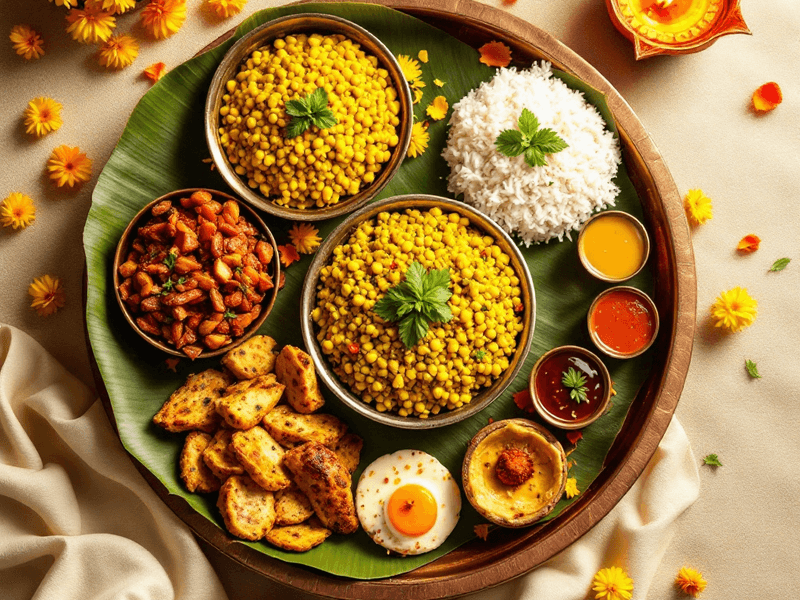
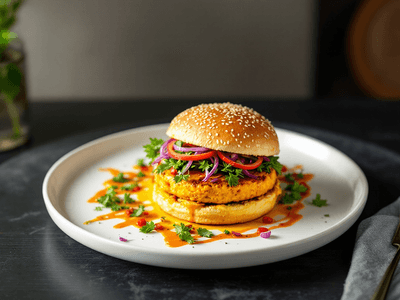
📸 Image coming soon for Y2hlzxnllw
Y2hlzxnllw
Lunch • India
How to Make Chhena (Traditional & Healthy Version)
Chhena is a quintessential Indian dairy delicacy, forming the base for beloved sweets like rasgulla and sandesh. Originating from the eastern state of Odisha and famously popular in Bengal, chhena is essentially fresh, unripened paneer—soft, crumbly, and mildly tangy in flavor. Revered in Indian households, chhena is crafted by curdling cow's milk using a natural acidic agent, such as lemon juice or vinegar, followed by straining and pressing. This simple yet nutritious preparation is deeply rooted in Indian culinary tradition, especially during festivals like Durga Puja and Diwali, when homemade sweets are a must. What makes chhena truly special is its versatility and health quotient. It’s a protein-rich, vegetarian base enjoyed across India, often flavored with cardamom (elaichi) or saffron (kesar) to make festive treats. Chhena is an excellent lunch option for those seeking a light, wholesome meal. Its soft texture and subtle taste make it appealing for all age groups, and it pairs wonderfully with fresh fruits or as a filling in stuffed parathas. Whether used in sweets or savory dishes, chhena remains a testament to India’s rich dairy tradition and culinary ingenuity.
Ingredients(for 100g chhena per person)
- 1 liter Full-fat cow's milk (doodh)
- 2 tablespoons Lemon juice (nimbu ras)
- 1/4 cup Water (for diluting lemon juice)
- 1 piece Muslin cloth (malmal ka kapda)
- 6-8 Ice cubes (optional, helps set chhena) - optional
- 1/4 teaspoon Cardamom powder (elaichi) - optional
- 1/2 teaspoon Rose water (gulab jal) - optional
- 1 teaspoon Sugar (chini, for mild sweetness) - optional
Instructions
- 1
Boil the milk in a heavy-bottomed vessel over medium flame, stirring occasionally to prevent sticking at the base.
7 minutes
Always use fresh milk for the best texture and flavor.
- 2
Once the milk comes to a boil, reduce the flame. Add diluted lemon juice gradually while stirring continuously until the milk curdles and the whey separates.
3 minutes
Do not add all the lemon juice at once; curdle gently for a soft chhena.
- 3
Turn off the heat immediately. Place a muslin cloth over a colander and pour the curdled milk into it to strain the whey.
2 minutes
Save the whey for kneading atta or making dals—it's nutritious!
- 4
Rinse the chhena under cold running water to remove any lemony taste and to stop further cooking.
2 minutes
This step ensures a fresh, clean flavor in your chhena.
Why This Dish is Healthy
This homemade chhena recipe is a healthy choice because it uses natural ingredients and avoids artificial additives. The process retains most of the milk's nutrients while removing excess whey, resulting in a light, protein-rich meal component. By controlling the amount of added sugar, you can further customize its health benefits. Chhena offers sustained energy, supports muscle repair, and can be used in weight management diets due to its high satiety factor.
Chhena is an excellent source of protein, making it a valuable addition to vegetarian diets. It is rich in calcium, essential for bone health, and contains B vitamins that support energy metabolism. Unlike heavily processed cheese, fresh chhena is lower in sodium and free from preservatives. It also provides healthy fats and is easily digestible, making it suitable for most age groups. The absence of deep-frying or added oils keeps the calorie count moderate and heart-friendly.
Pro Tips
- 💡Tip 1: Always use fresh, full-fat milk for the softest chhena.
- 💡Tip 2: Avoid over-curdling to prevent a rubbery texture.
- 💡Tip 3: Incorporate chhena into salads or parathas for added nutrition.
Storage & Serving
Store fresh chhena in an airtight container in the refrigerator for up to 2 days. For best results, use within 24 hours. Do not freeze as it alters the texture.
Best served: Breakfast or Lunch
Nutrition Facts
| Nutrient | Per 100g |
|---|---|
| Energy | 250.0 kcal |
| Protein | 6.0 g |
| Carbohydrates | 35.0 g |
| Total Fat | 9.0 g |
| Fiber | 3.0 g |