Whole Egg Curry
Lunch • India
How to Make Whole Egg Curry (Traditional & Healthy Version)
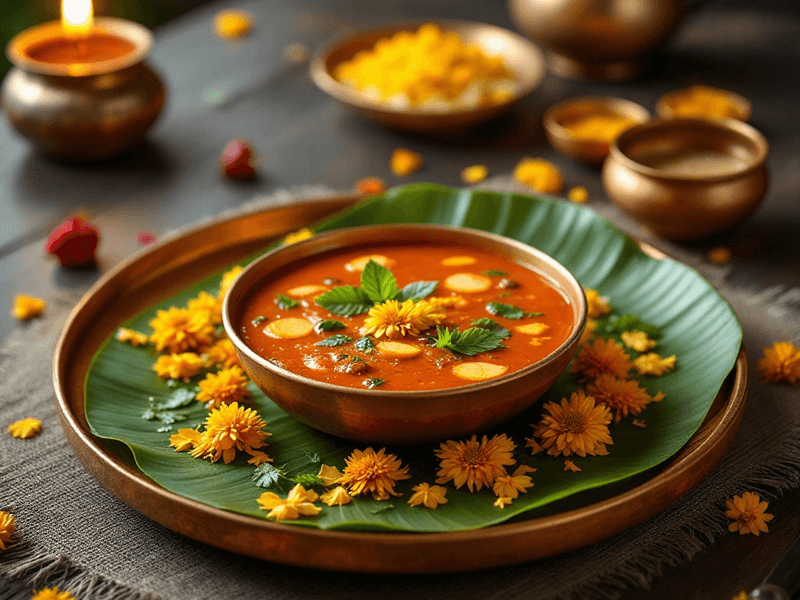
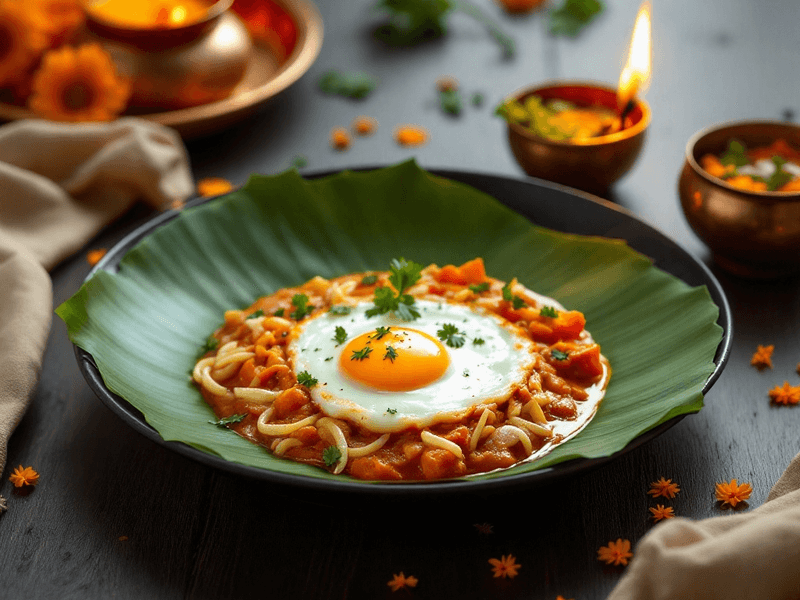
Whole Egg Curry, known as Muttai Kuzhambu in Tamil Nadu or Ande ka Salan in Andhra Pradesh, is a beloved South Indian lunch dish that beautifully blends boiled eggs with a spicy, tangy tomato-onion gravy. This comforting curry is a staple in many South Indian homes, often gracing lunch tables during festivals like Pongal, Ugadi, and family gatherings. The rich aroma of freshly ground masalas, coconut, and curry leaves makes it truly irresistible. What sets Whole Egg Curry apart is its luscious, protein-rich gravy that pairs perfectly with steamed rice or chapati. The hard-boiled eggs soak up the flavors of the gravy, making every bite satisfying and wholesome. This dish is not only filling but also offers a balanced meal for vegetarians who include eggs in their diet. Its versatility allows for subtle twists according to regional preferences, such as adding coconut paste in Kerala or using poppy seeds in Andhra variations. If you're looking for an authentic, healthy, and easy-to-cook South Indian curry, Whole Egg Curry is a top choice. It’s simple enough for weekday lunches yet special enough for festive occasions, offering a delightful mix of tradition, taste, and nutrition.
Ingredients(for 1 large bowl with 2 eggs and gravy)
- 4 Eggs (Desi anda (free-range eggs preferred))
- 1 large Onion (finely chopped (pyaz))
- 2 medium Tomato (finely chopped (tamatar))
- 1 tablespoon Ginger-garlic paste (adrak-lasun paste)
- 8-10 Curry leaves (kadi patta)
- 1/2 teaspoon Mustard seeds (rai)
- 1/4 teaspoon Turmeric powder (haldi)
- 1/2 teaspoon Red chilli powder (lal mirch)
- 1 teaspoon Coriander powder (dhania powder)
- 1/2 cup Coconut milk (fresh coconut milk for South Indian flavor) - optional
- 1 tablespoon Oil (cold-pressed coconut oil or sunflower oil)
- to taste Salt (namak)
- 1 tablespoon Fresh coriander leaves (hara dhania, chopped) - optional
Instructions
- 1
Boil the eggs in water for 8-10 minutes until hard-boiled. Cool, peel, and lightly slit them for better flavor absorption.
10 minutes
Adding a pinch of salt to boiling water helps prevent egg shells from cracking.
- 2
Heat oil in a kadhai. Temper mustard seeds until they splutter, then add curry leaves followed by chopped onions. Sauté until golden brown.
4 minutes
Sauté onions on medium flame to avoid burning and enhance sweetness.
- 3
Add ginger-garlic paste and sauté till the raw smell disappears. Mix in chopped tomatoes and cook until soft and mushy.
4 minutes
Cover the pan to speed up tomato cooking.
- 4
Add turmeric, red chilli powder, and coriander powder. Mix well and cook the masala till oil separates from the sides.
2 minutes
Fry spices on low heat to prevent burning and maximize aroma.
Why This Dish is Healthy
This Whole Egg Curry is a healthy lunch option as it leverages the natural goodness of eggs—packed with protein and healthy fats—while minimizing excess oil and using fresh vegetables and spices. The inclusion of coconut milk adds creaminess without heavy cream, and the use of traditional tempering enhances flavor without extra calories. Pairing with whole grains like brown rice or millet increases the fiber content, making it filling and suitable for weight management.
Whole Egg Curry offers a high-quality protein source from eggs, essential for muscle maintenance and satiety. The use of minimal oil and coconut milk provides healthy fats, while onions, tomatoes, and spices supply antioxidants, vitamins (B12, A, D), and minerals like selenium and zinc. Eggs are also rich in choline, supporting brain health. This curry is naturally gluten-free and can be made dairy-free, making it suitable for most dietary preferences.
Pro Tips
- 💡Tip 1: Use desi free-range eggs for the best taste and nutrition.
- 💡Tip 2: Slit eggs after boiling to let the masala infuse deeply.
- 💡Tip 3: Fresh curry leaves and coconut milk elevate the authentic flavor.
Storage & Serving
Store leftover Whole Egg Curry in an airtight container in the refrigerator for up to 2 days. Reheat gently on the stovetop, adding a splash of water if the curry thickens. Avoid freezing as eggs may turn rubbery.
Best served: Lunch
Nutrition Facts
| Nutrient | Per 100g |
|---|---|
| Energy | 180.0 kcal |