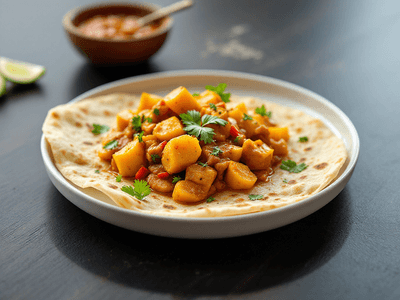
📸 Image coming soon for Wheat Parotta
Wheat Parotta
Lunch • India
How to Make Wheat Parotta (Traditional & Healthy Version)
Wheat Parotta is a beloved layered flatbread from South India, especially popular in Tamil Nadu and Kerala. Traditionally made with refined flour (maida), this healthier version uses atta (whole wheat flour), making it a more nutritious yet equally delicious option. The parotta is famous for its flaky, soft texture and golden layers, achieved through expert kneading and folding. Its mild, comforting taste pairs beautifully with spicy South Indian gravies, such as vegetable kurma or chettinad curries. Often enjoyed during festivals, family gatherings, or as a special Sunday lunch, Wheat Parotta holds a special place in Indian culinary culture. Whether relished in bustling street food stalls or in home kitchens, this flatbread brings people together with its inviting aroma and warmth. The wholesome wheat version is ideal for health-conscious individuals who want to savor the rich tradition of Indian parotta without compromising their dietary goals. Its versatility also allows for creative fillings or accompaniments, making it a crowd-pleaser across age groups.
Ingredients(for 2 parottas per person)
- 2 cups Whole wheat flour (atta)
- 3/4 cup (as needed) Water (room temperature)
- 1/2 tsp Salt (namak)
- 2 tbsp Oil (preferably groundnut or sunflower)
- 2 tbsp Milk (for extra softness, optional) - optional
- 1/2 tsp Sugar (helps browning) - optional
- 1 tbsp Ghee (for brushing, can use oil for vegan) - optional
Instructions
- 1
In a large parat (mixing bowl), combine atta, salt, and sugar. Gradually add water, kneading into a soft, pliable dough. Add milk if using. Knead for 6-8 minutes until smooth.
8 minutes
The dough should be softer than regular roti dough for flaky layers.
- 2
Cover the dough with a damp cloth and let it rest for 20 minutes. This helps the gluten develop for better layering.
20 minutes
Resting is crucial for soft, stretchable dough.
- 3
Divide the dough into 6 equal balls. Grease your work surface and rolling pin with oil. Roll out each ball into a thin, almost translucent disc.
5 minutes
Use enough oil to prevent sticking and help with stretching.
- 4
Drizzle a little oil over the disc. Starting from one end, pleat the disc like a paper fan, then roll it into a spiral (like a cinnamon roll). Tuck the end underneath.
5 minutes
Pleating and spiraling create the signature flaky layers.
Why This Dish is Healthy
This healthy Wheat Parotta recipe swaps out maida for whole wheat flour, boosting fiber and micronutrient intake. By reducing oil and using optional milk, it becomes lighter yet remains soft and flavorful. High in complex carbs and moderate in protein, it's an ideal lunch for those watching their calories without sacrificing traditional taste.
Wheat Parotta made with atta is rich in dietary fiber, complex carbohydrates, and plant-based protein. It provides sustained energy, aids digestion, and is lower in calories compared to refined flour versions. Whole wheat is a good source of iron, B vitamins, magnesium, and zinc, making this dish a wholesome choice for balanced nutrition. Using minimal oil and opting for heart-healthy oils further reduces saturated fat content.
Pro Tips
- 💡Tip 1: Resting the dough ensures softer, more pliable parottas.
- 💡Tip 2: Use oil generously while rolling and pleating for better layers.
- 💡Tip 3: For vegan parottas, use only oil and skip ghee or milk.
Storage & Serving
Store leftover parottas in an airtight container at room temperature for up to 8 hours, or refrigerate for up to 2 days. Reheat on a tawa or microwave wrapped in a damp cloth for best softness.
Best served: Breakfast or Lunch
Nutrition Facts
| Nutrient | Per 100g |
|---|---|
| Energy | 180.0 kcal |