Ven Pongal Vrat
Lunch • India
How to Make Ven Pongal Vrat (Traditional & Healthy Version)
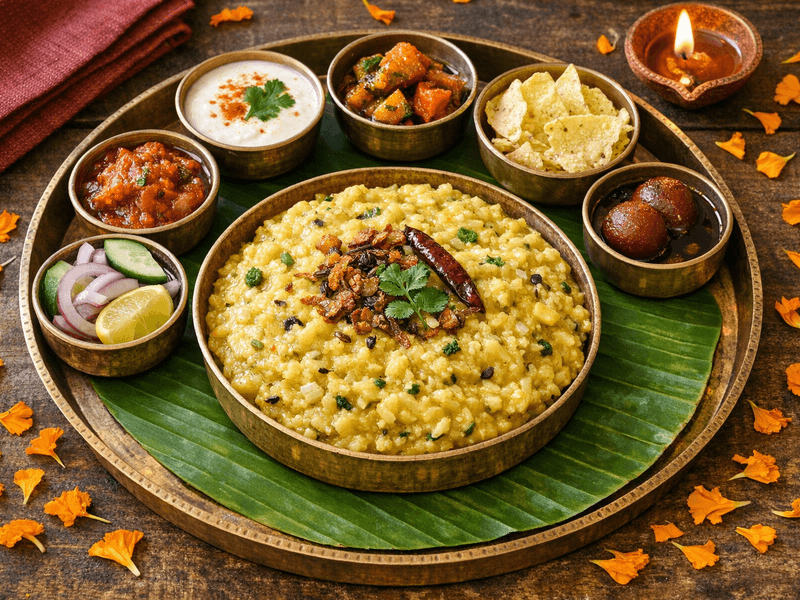
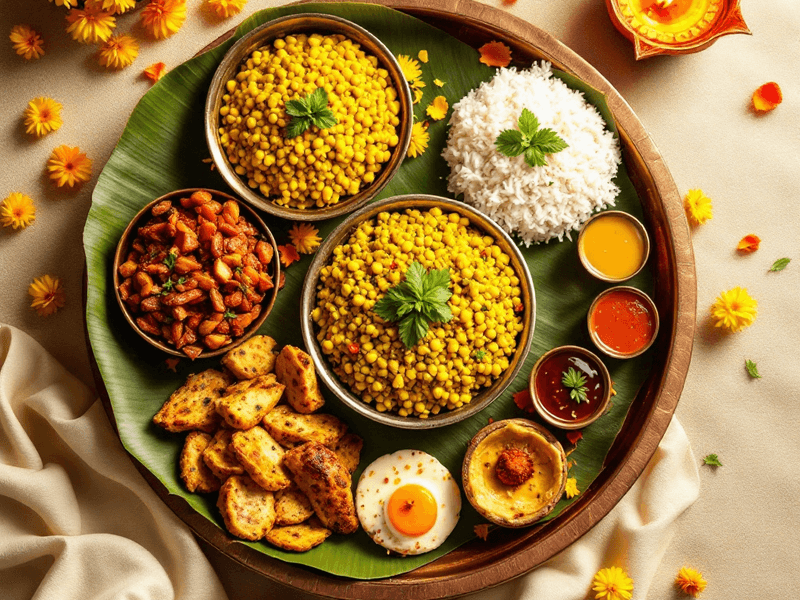
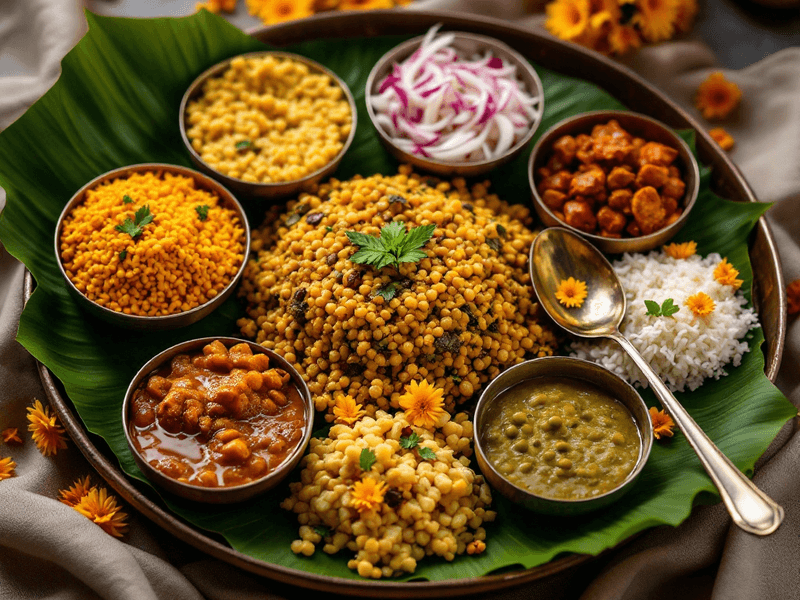
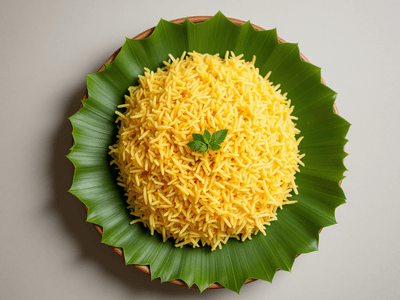
Ven Pongal Vrat is a classic South Indian breakfast and lunch dish, especially cherished across Tamil Nadu and Andhra Pradesh. Rooted in the heart of Indian cuisine, this savory porridge is made with rice (chawal) and moong dal, seasoned with black pepper, cumin, ginger, and a tempering of curry leaves and cashew nuts. Often prepared during important Hindu festivals like Pongal and Navratri Vrata (fasting days), Ven Pongal is not only comforting but also highly nutritious. The word 'Vrat' signifies fasting, and this version uses minimal spices and pure ingredients, making it sattvik, light, and ideal for auspicious occasions. Ven Pongal Vrat offers a creamy, melt-in-the-mouth texture, with the gentle warmth of black pepper and the aroma of pure ghee (clarified butter) enveloping each bite. Traditionally served hot with coconut chutney or sambar, it is a wholesome, one-pot meal that is easy to digest and quick to prepare. Its simplicity, combined with the robust Indian spices, makes it a favorite for families seeking both taste and health. Because it is prepared with minimal oil and high-protein dal, Ven Pongal Vrat is a great choice for those tracking calories and aiming for balanced nutrition. Its popularity during Indian festivals further highlights its deep cultural significance, making it a true Indian comfort food.
Ingredients(for 1 medium bowl per person)
- 1/2 cup Rice (chawal) (short-grain rice preferred)
- 1/2 cup Split yellow moong dal (mung dal)
- 3 to 3.5 cups Water (adjust for consistency)
- 2 tablespoons Pure cow ghee (clarified butter)
- 1 teaspoon Whole black peppercorns (coarsely crushed)
- 1 teaspoon Cumin seeds (jeera)
- 1 inch Fresh ginger (finely chopped)
- 8-10 Curry leaves (kadi patta)
- 8-10 Cashew nuts (halved) - optional
- to taste Salt (sendha namak for vrat)
Instructions
- 1
Rinse rice (chawal) and moong dal thoroughly under running water. Combine them in a pressure cooker.
5 minutes
Roast moong dal lightly for a deeper flavor before rinsing.
- 2
Add 3 to 3.5 cups of water and salt (use sendha namak for vrat). Pressure cook for 3-4 whistles or until rice and dal are soft and mushy.
15 minutes
Add more water for a softer, porridge-like consistency.
- 3
Once pressure releases, mash the cooked rice-dal mixture gently to get a creamy texture.
2 minutes
Do not over-mash; a little texture is desirable.
- 4
Heat pure ghee in a small tadka pan. Add cumin seeds, whole black peppercorns, and let them splutter. Add chopped ginger, curry leaves, and cashew nuts. Fry until cashews turn golden.
3 minutes
Use low flame to prevent burning the spices.
Why This Dish is Healthy
Ven Pongal Vrat is a wholesome meal with easily digestible ingredients, minimal oil, and no refined sugars. The combination of rice and dal provides sustained energy release, making it suitable for those on a calorie-conscious diet. Using ghee in moderation adds healthy fats, which support absorption of fat-soluble vitamins. The sattvik preparation ensures it is light and perfect for fasting or detox days.
Ven Pongal Vrat is a nutrient-rich dish providing a good balance of complex carbohydrates from rice and high-quality plant protein from moong dal. It is low in saturated fat when prepared with moderate ghee and contains essential minerals like iron, magnesium, and potassium. Spices like black pepper and ginger aid digestion and boost immunity, while curry leaves offer antioxidants. The dish is free from gluten and can be made vegan by replacing ghee with cold-pressed coconut oil.
Pro Tips
- 💡Tip 1: Lightly roasting moong dal before cooking enhances aroma and taste.
- 💡Tip 2: Use short-grain rice for best texture; avoid long-grain varieties.
- 💡Tip 3: Add more water if you prefer a soupy consistency, especially for vrat.
Storage & Serving
Store leftover Ven Pongal in an airtight container in the refrigerator for up to 2 days. Reheat with a splash of water on low flame to restore creamy texture.
Best served: Breakfast or Lunch
Nutrition Facts
| Nutrient | Per 100g |
|---|---|
| Energy | 250.0 kcal |
| Protein | 3.0 g |
| Carbohydrates | 21.0 g |
| Total Fat | 3.0 g |
| Fiber | 1.0 g |