📸 Image coming soon for Vegetable Stir Fry
Vegetable Stir Fry
Lunch • India
How to Make Vegetable Stir Fry (Traditional & Healthy Version)
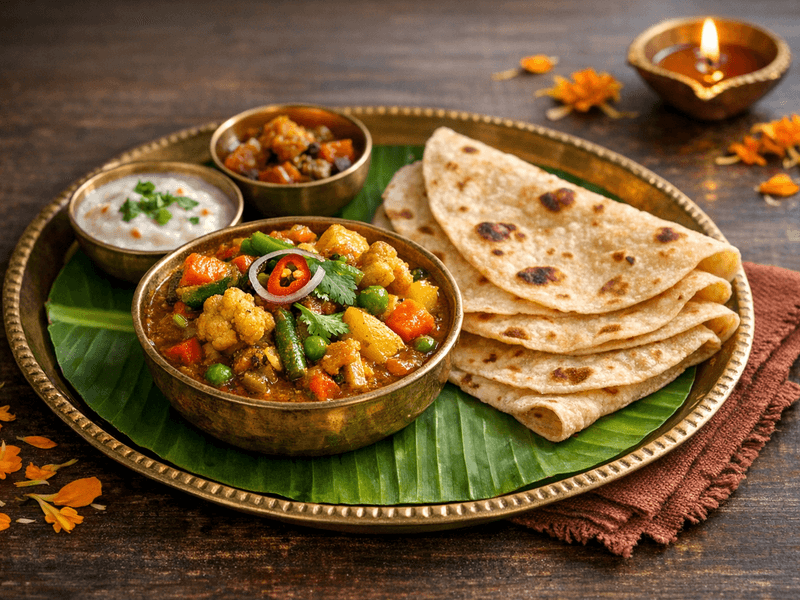
Vegetable Stir Fry is a vibrant and nutritious dish deeply rooted in Indian home cooking, offering a medley of seasonal vegetables sautéed with aromatic spices. This recipe celebrates the essence of Indian culinary diversity, as every region—from Punjab to Kerala—has its own version using locally available sabzi (vegetables) and masalas. The Indian-style stir fry, often called 'subzi bhaji,' is commonly prepared for lunch, especially during festivals like Navratri, when vegetarian meals are preferred for their purity and health benefits. The stir fry is typically cooked on a tawa (griddle) or kadhai (wok), ensuring minimal oil and maximum flavor retention. The harmonious blend of cumin, turmeric, and fresh ginger brings out the earthiness of the veggies, making Vegetable Stir Fry a great choice for those seeking both taste and nutrition. Its crisp texture and wholesome taste make it popular not only for everyday meals but also for festive thalis, where it stands alongside dal, roti, and rice. This dish is an ideal lunch option for calorie-conscious individuals, offering a filling meal packed with vitamins and minerals, without excess fat. In India, Vegetable Stir Fry is more than just food—it’s a celebration of local produce and the joy of eating together. Whether you’re preparing it for a family lunch or as a side during Diwali, this simple yet flavorful recipe guarantees satisfaction and health.
Ingredients(for 1 medium bowl (about 200g))
- 1/2 cup Carrot (Gajar)
- 1/2 cup Green beans (Phali)
- 1/2 cup Cauliflower florets (Phool gobhi)
- 1/4 cup Capsicum (Shimla mirch)
- 1/4 cup Peas (Matar)
- 1 small Onion (Pyaz, sliced)
- 1 tsp Ginger (Adrak, grated)
- 1/2 tsp Cumin seeds (Jeera)
- 1/4 tsp Turmeric powder (Haldi)
- to taste Salt (Namak)
- 1/4 tsp Black pepper (Kali mirch)
- 1 tbsp Mustard oil (Sarson ka tel)
- 1 tbsp Coriander leaves (Dhania, chopped) - optional
Instructions
- 1
Wash and chop all vegetables (gajar, phali, phool gobhi, shimla mirch, matar, pyaz) into bite-sized pieces.
5 minutes
Use fresh, seasonal sabzi for maximum nutrition.
- 2
Heat sarson ka tel (mustard oil) in a kadhai or tawa over medium flame. Add jeera (cumin seeds) and let them splutter.
2 minutes
Mustard oil adds a distinct North Indian aroma.
- 3
Add sliced pyaz (onion) and grated adrak (ginger). Sauté until onions turn translucent.
3 minutes
Stir frequently to prevent sticking.
- 4
Add all chopped vegetables. Sprinkle haldi (turmeric), namak (salt), and kali mirch (black pepper). Mix well.
2 minutes
Cut veggies evenly for uniform cooking.
Why This Dish is Healthy
This Vegetable Stir Fry is a healthy choice as it uses minimal oil and leverages the nutritional power of assorted vegetables. The fiber content supports weight management and gut health, while antioxidants from fresh sabzi help fight oxidative stress. The recipe is vegetarian and can easily be made vegan, making it inclusive for various diet plans. Its low-calorie profile and high nutrient density make it perfect for anyone looking to eat clean and maintain a balanced diet.
Vegetable Stir Fry provides a rich source of vitamins A, C, and K from carrots, capsicum, and cauliflower. Green beans and peas offer plant-based protein and fiber, aiding digestion and keeping you full longer. Mustard oil is high in omega-3 fatty acids, promoting heart health. The use of turmeric and cumin seeds not only enhances taste but also improves metabolism and acts as anti-inflammatory agents. This dish is low in saturated fat, cholesterol-free, and provides essential minerals like potassium, magnesium, and iron.
Pro Tips
- 💡Tip 1: Use fresh, locally sourced sabzi for best flavor and nutrition.
- 💡Tip 2: Do not overcrowd the pan; cook in batches if needed for even sautéing.
- 💡Tip 3: Add a splash of lemon juice at the end for extra zest and vitamin C.
Storage & Serving
Store leftover stir fry in an airtight container in the refrigerator for up to 2 days. Reheat on a tawa or kadhai for best texture. Avoid freezing, as it may affect the crunchiness of vegetables.
Best served: Breakfast or Lunch
Nutrition Facts
| Nutrient | Per 100g |
|---|---|
| Energy | 90.0 kcal |