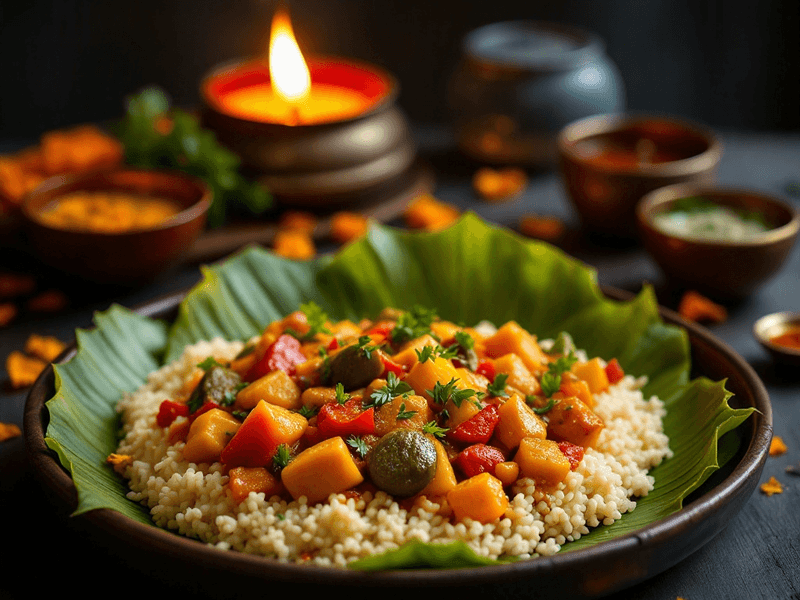
Vegetable Masala Curry
Lunch • India
How to Make Vegetable Masala Curry (Traditional & Healthy Version)
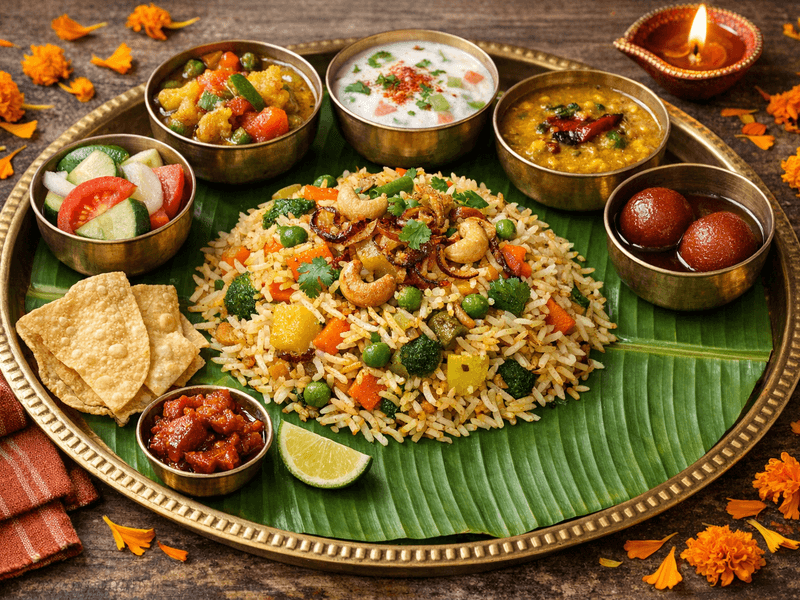
Vegetable Masala Curry is a vibrant and aromatic dish that exemplifies the heart of Indian vegetarian cuisine. This curry is a staple in Indian households, celebrated for its rich blend of seasonal vegetables, warming spices, and a delicious tomato-onion gravy. Each region in India brings its own twist, using locally available sabzi (vegetables) and masala (spice mixes), making this dish both versatile and deeply rooted in Indian culinary traditions. The taste of Vegetable Masala Curry is a delightful balance of spicy, tangy, and slightly sweet notes, making it a favorite for family lunches, festive gatherings, and everyday meals. It’s commonly enjoyed across India during festivals like Navratri and Diwali, when vegetarian dishes take center stage in the thali (traditional meal platter). This curry is especially popular because it is wholesome, filling, and provides a great way to incorporate a variety of nutrient-rich vegetables into the diet. Not only is Vegetable Masala Curry flavorful, but it’s also a fantastic choice for health-conscious individuals. By using minimal oil and fresh, seasonal produce, this recipe offers a lighter, yet satisfying, take on the traditional sabzi masala. Serve it hot with roti, chapati, or steamed rice for a comforting and nourishing meal that embodies the true spirit of Indian home cooking.
Ingredients(for 1 medium bowl per person)
- 2 cups Mixed vegetables (carrot, beans, peas, cauliflower, potato) (sabzi, chopped)
- 1 medium Onion (pyaz, finely chopped)
- 2 medium Tomato (tamatar, pureed)
- 1 tablespoon Ginger-garlic paste (adrak-lahsun)
- 1 Green chili (hari mirch, finely chopped) - optional
- 1/2 teaspoon Turmeric powder (haldi)
- 1/2 teaspoon Red chili powder (lal mirch)
- 1 teaspoon Coriander powder (dhaniya powder)
- 1/2 teaspoon Garam masala (optional for garnish) - optional
- 1/2 teaspoon Cumin seeds (jeera)
- 1 tablespoon Mustard oil or sunflower oil (sarson tel or surajmukhi tel)
- to taste Salt (namak)
- 2 tablespoons Fresh coriander leaves (hara dhaniya, chopped)
- 1/2 cup Water (as needed)
Instructions
- 1
Wash and chop all the vegetables into even, bite-sized pieces. Puree the tomatoes and finely chop the onions, green chili, and coriander leaves.
5 minutes
Use fresh, seasonal sabzi for best flavor and nutrition.
- 2
Heat oil in a deep kadhai or pan on medium flame. Add cumin seeds and let them splutter.
2 minutes
Mustard oil adds a traditional flavor, but sunflower oil is a lighter alternative.
- 3
Add chopped onions and sauté till golden brown. Stir in the ginger-garlic paste and green chili, cooking until raw aroma disappears.
5 minutes
Keep stirring to prevent burning; a pinch of salt helps onions brown faster.
- 4
Add pureed tomatoes, turmeric, red chili powder, coriander powder, and salt. Cook until the masala releases oil and turns aromatic.
5 minutes
Cover the pan for faster cooking and richer masala flavor.
Why This Dish is Healthy
Vegetable Masala Curry is a healthy lunch option because it combines a variety of seasonal sabzi, each contributing essential nutrients and fiber. Using less oil and skipping heavy cream or butter keeps the calorie count in check, making it ideal for those aiming for weight loss or managing cholesterol. Its balance of complex carbs, micronutrients, and plant-based protein helps maintain energy levels and supports overall health.
This Vegetable Masala Curry is packed with dietary fiber, vitamins A and C, potassium, and antioxidants from a diverse mix of vegetables. The dish provides a moderate amount of complex carbohydrates and plant-based protein, making it filling yet light. Minimal oil keeps the fat content low, while spices like turmeric and ginger add anti-inflammatory benefits. The use of fresh ingredients ensures a nutrient-dense meal suitable for most diets.
Pro Tips
- 💡Tip 1: Add a few kasuri methi (dried fenugreek leaves) at the end for extra aroma.
- 💡Tip 2: Use a mix of colorful vegetables for enhanced nutrition and visual appeal.
- 💡Tip 3: Prepare the masala base in advance and freeze for a quick weekday lunch.
Storage & Serving
Refrigerate leftover curry in an airtight container for up to 2 days. Reheat on the stove or in the microwave, adding a splash of water if needed to restore the desired consistency.
Best served: Lunch
Nutrition Facts
| Nutrient | Per 100g |
|---|---|
| Energy | 220.0 kcal |
| Protein | 2.0 g |
| Carbohydrates | 13.0 g |
| Total Fat | 3.0 g |
| Fiber | 3.0 g |