Vegetable Khichdi
Lunch • India
How to Make Vegetable Khichdi (Traditional & Healthy Version)
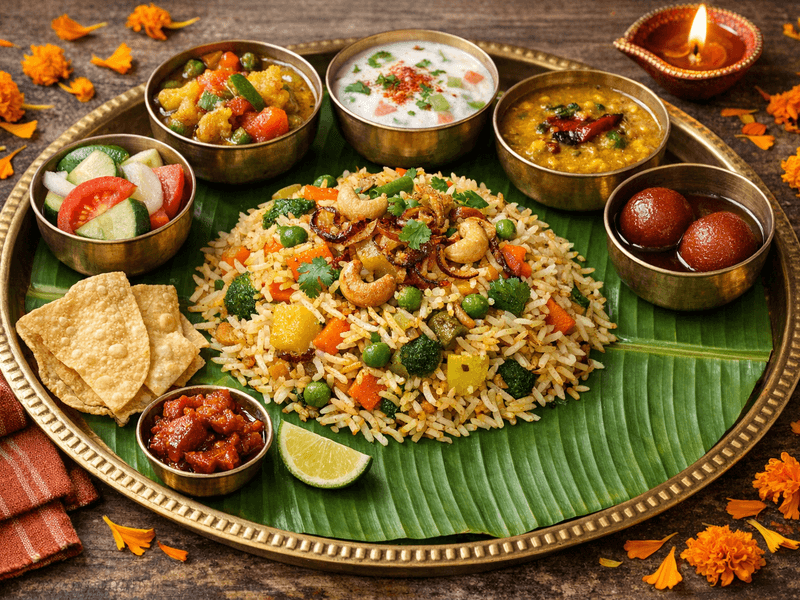
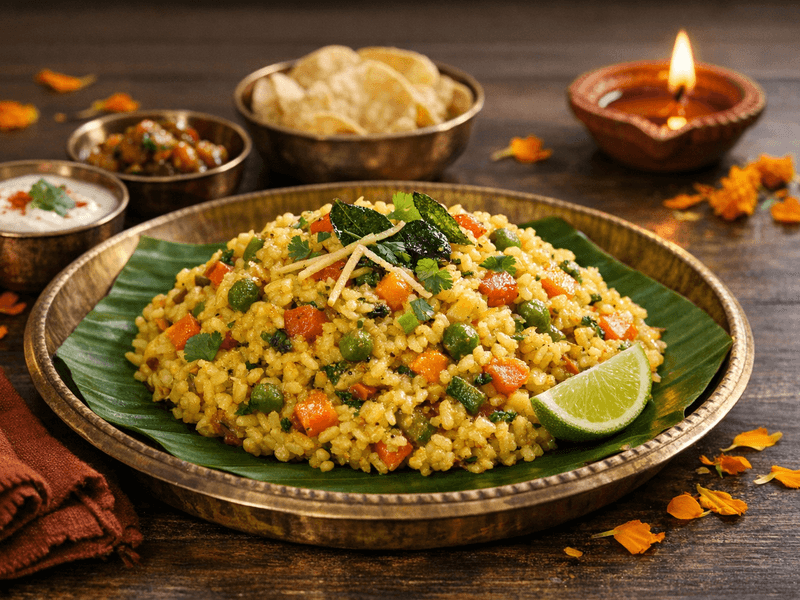
Vegetable Khichdi is a beloved one-pot meal in Indian cuisine, cherished for its simplicity, nutrition, and comforting taste. Traditionally made with a wholesome combination of rice (chawal), split yellow moong dal, and a medley of fresh vegetables, khichdi is considered the ultimate comfort food across India. Its roots trace back to ancient Ayurvedic traditions, where it was recommended as a healing and easily digestible meal. The dish is gentle on the stomach, making it a popular choice during illness, fasting, or as prasad during religious festivals like Makar Sankranti. The taste of Vegetable Khichdi is subtly spiced, mildly aromatic, and wonderfully nourishing. The natural sweetness of carrots, green peas, and beans blends harmoniously with the earthiness of dal and rice. A tempering of cumin seeds (jeera), ginger, and asafoetida (hing) adds depth without overpowering the vegetables. Packed with fiber, vitamins, and protein, this dish is a staple in Indian households, easily adaptable to personal tastes and regional preferences—from the plain Bengali Bhuni Khichuri to the Gujarati Vagharela Khichdi. Vegetable Khichdi is a great choice for those seeking a balanced, health-conscious lunch. Light on the palate yet filling, it’s perfect for busy weekdays, family meals, or as a wholesome tiffin option. Its versatility, nutritional profile, and deep cultural significance make it an essential dish in Indian cuisine.
Ingredients(for 1 medium bowl (approx. 250g))
- 1/2 cup Short-grain rice (chawal) (use sona masoori or gobindobhog)
- 1/2 cup Split yellow moong dal (mung dal)
- 1/4 cup Carrot (finely chopped)
- 1/4 cup Green peas (matar) (fresh or frozen)
- 1/4 cup French beans (chopped)
- 1/4 cup Potato (aloo) (diced small)
- 1/2 tsp Turmeric powder (haldi)
- 1 tsp Cumin seeds (jeera)
- 1 tsp Ginger (adrak) (finely grated)
- 1/4 tsp Asafoetida (hing) - optional
- to taste Salt
- 1 tsp Ghee (use oil for vegan version)
- 3 cups Water
- 1 tbsp Coriander leaves (dhaniya) (chopped, for garnish) - optional
Instructions
- 1
Wash rice and moong dal together 2-3 times under running water until the water runs clear. Soak them in water for 10 minutes.
10 minutes
Soaking aids digestion and reduces cooking time.
- 2
Heat ghee in a pressure cooker or a heavy-bottomed handi (pot) on medium flame. Add cumin seeds; once they splutter, add grated ginger and asafoetida.
2 minutes
Use oil for a vegan version.
- 3
Add all chopped vegetables (carrot, beans, peas, potato) and sauté for 2-3 minutes until they begin to soften.
3 minutes
Cut vegetables uniformly for even cooking.
- 4
Drain the soaked rice and dal. Add them to the cooker, mix gently with the vegetables, and sauté for 1-2 minutes.
2 minutes
Sautéing rice and dal enhances nutty flavor.
Why This Dish is Healthy
This khichdi recipe is a healthy choice because it incorporates whole grains, legumes, and seasonal vegetables in a low-fat preparation. It uses minimal ghee, making it heart-friendly, and is naturally gluten-free if prepared without asafoetida. The balanced combination of protein, fiber, and micronutrients supports satiety, weight management, and overall wellness, making it ideal for health-conscious individuals.
Vegetable Khichdi is rich in plant-based protein from moong dal and packed with dietary fiber, vitamins (A, C, B-complex), and essential minerals like iron, magnesium, and potassium from mixed vegetables. It is low in fat, cholesterol-free, and provides complex carbohydrates for sustained energy. The turmeric and ginger offer anti-inflammatory and digestive benefits, making this dish easily digestible and suitable for all age groups.
Pro Tips
- 💡Tip 1: Roasting moong dal before cooking adds a deep, nutty aroma.
- 💡Tip 2: Adjust water for your preferred consistency—thicker for lunch, runnier for convalescence.
- 💡Tip 3: Add a pinch of garam masala or kasuri methi for a North Indian flavor twist.
Storage & Serving
Store leftover khichdi in an airtight container in the refrigerator for up to 2 days. Reheat with a splash of water to restore its creamy texture before serving.
Best served: Breakfast or Lunch
Nutrition Facts
| Nutrient | Per 100g |
|---|---|
| Energy | 220.0 kcal |