Vegetable Hojai
Lunch • India
How to Make Vegetable Hojai (Traditional & Healthy Version)
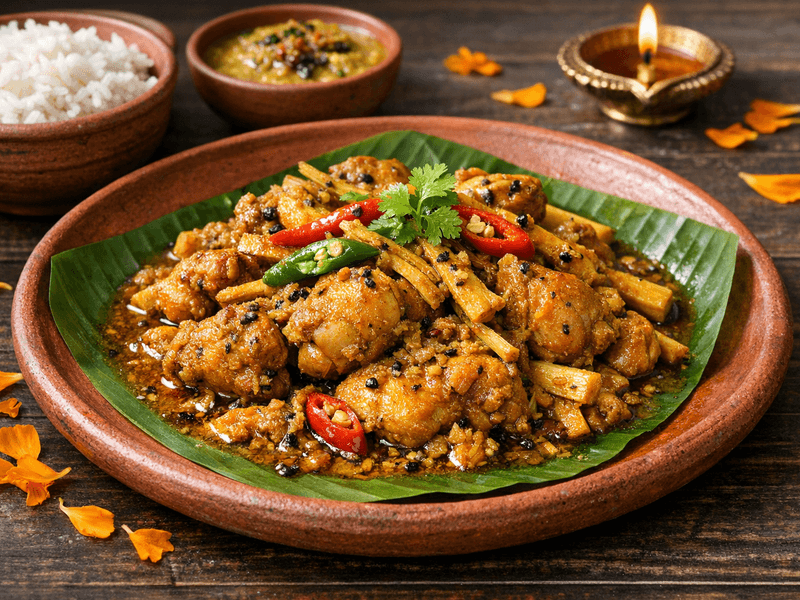
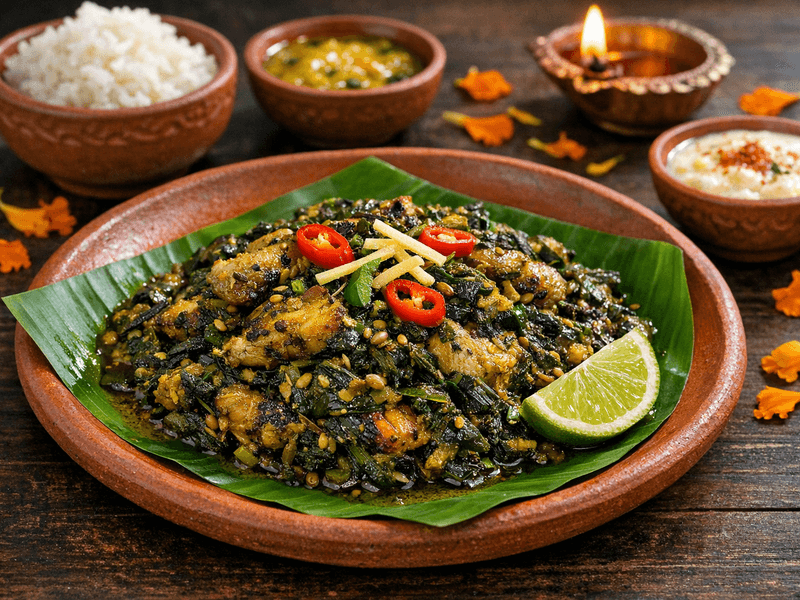
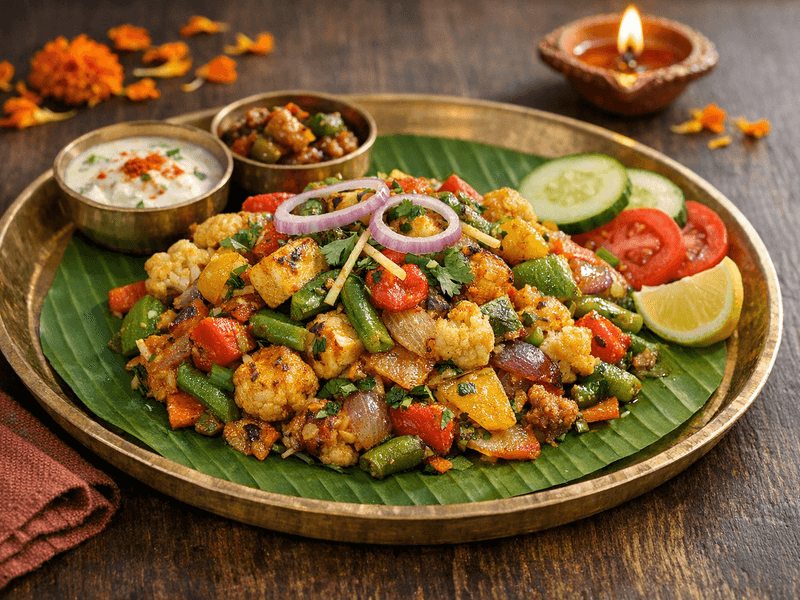
Vegetable Hojai is a vibrant and flavorful vegetarian dish hailing from the lush hills of Assam, one of North East India’s culinary gems. Traditionally prepared as a wholesome lunch option, this dish brings together a medley of fresh vegetables, local herbs, and aromatic spices, all gently cooked with minimal oil to preserve their natural flavors and nutrients. Vegetable Hojai is deeply rooted in Assamese cuisine, often gracing lunch tables during family gatherings and local festivals such as Bihu, where seasonal vegetables are celebrated. Its comforting blend of textures and subtle flavors makes it a favorite among health-conscious food lovers across the region. The beauty of Vegetable Hojai lies in its simplicity and adaptability. Each household may add its own twist, incorporating locally available produce like lauki (bottle gourd), aloo (potato), and tender beans, making it a true reflection of the Northeast's agricultural bounty. The dish is typically cooked in a kadhai without heavy masalas, allowing the vegetables to shine through while retaining their nutritional value. Its mildly spiced, earthy taste makes it an excellent companion to steamed rice or roti, providing a balanced and satisfying meal. Choosing Vegetable Hojai for lunch not only connects you to the rich food traditions of Assam but also ensures a light, digestible, and nutritious meal.
Ingredients(for One medium bowl per person)
- 2 cups Mixed seasonal vegetables (carrot, beans, lauki, aloo) (Chopped into bite-sized pieces)
- 1 medium Onion (Finely sliced (pyaaz))
- 1 medium Tomato (Chopped (tamatar))
- 2 Green chillies (Slit (hari mirch))
- 1 inch Ginger (Grated (adrak))
- 1 tablespoon Mustard oil (Preferred in Assamese cuisine (sarson ka tel))
- 1/4 teaspoon Turmeric powder (Haldi)
- 1/2 teaspoon Cumin seeds (Jeera)
- To taste Salt (Namak)
- 2 tablespoons Fresh coriander leaves (Chopped (dhaniya)) - optional
Instructions
- 1
Wash and chop all the vegetables, onion, tomato, and green chillies. Grate the ginger.
5 minutes
Use seasonal and locally available vegetables for best flavor and nutrition.
- 2
Heat mustard oil in a kadhai over medium flame. Once hot, add cumin seeds and let them splutter.
2 minutes
Allow mustard oil to smoke lightly before adding cumin to reduce pungency.
- 3
Add sliced onions and sauté until translucent. Stir in grated ginger and green chillies. Cook for another minute.
3 minutes
Don’t over-brown onions; keep them soft for a light flavor.
- 4
Add chopped tomatoes and turmeric powder. Cook until tomatoes turn soft and oil begins to separate.
4 minutes
Cover the kadhai for faster softening of tomatoes.
Why This Dish is Healthy
This dish is inherently healthy due to its simple cooking method—steaming and sautéing with minimal oil. The focus on fresh vegetables ensures a wealth of antioxidants, fiber, and phytonutrients, making it perfect for weight management and overall wellness. No heavy creams or deep frying are involved, keeping the calorie count in check and supporting a balanced Indian diet.
Vegetable Hojai is a powerhouse of essential vitamins (A, C, K), minerals (potassium, magnesium), and dietary fiber thanks to the vibrant assortment of seasonal vegetables. Mustard oil, used in moderation, provides healthy fats and omega-3s. The minimal use of oil and natural ingredients ensures a low-calorie, nutrient-dense meal that supports gut health, boosts immunity, and aids digestion. It's a great source of complex carbohydrates and plant-based protein when paired with dal or rice.
Pro Tips
- 💡Tip 1: Use mustard oil for authentic Assamese flavor and aroma.
- 💡Tip 2: Always cook vegetables on low flame to preserve their natural crunch and nutrients.
- 💡Tip 3: Pair with a simple dal and brown rice for a complete, balanced meal.
Storage & Serving
Store Vegetable Hojai in an airtight container in the refrigerator for up to 2 days. Reheat gently on the stove or in a microwave, adding a splash of water to retain moisture.
Best served: Lunch
Nutrition Facts
| Nutrient | Per 100g |
|---|---|
| Energy | 220.0 kcal |