Thin Papad
Lunch • India
How to Make Thin Papad (Traditional & Healthy Version)
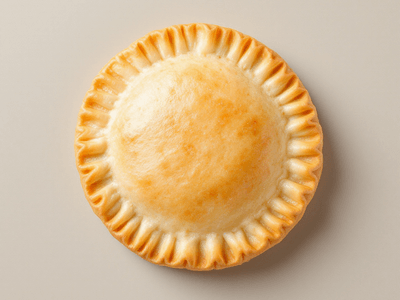
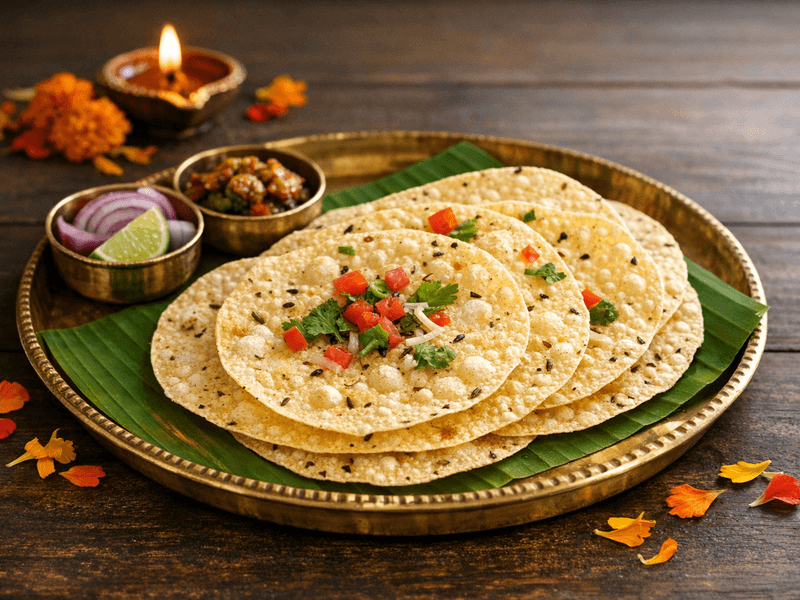
Thin Papad, also known as papadam or appalam in various Indian regions, is a crispy and flavorful accompaniment enjoyed across India with meals, especially during lunch. Made from urad dal (split black gram) flour, Thin Papad is cherished for its delicate crunch and savory taste. This popular Indian snack is often roasted or lightly fried and served alongside dal, sabzi, or rice, adding a delightful texture contrast to the meal. Papad holds a significant place in Indian culinary tradition, often featured in festive thalis and special occasions like weddings, Diwali, and Holi. Each region boasts its own unique variations, with spices and ingredients tailored to local tastes—from the fiery pepper papads of Rajasthan to the cumin-flavored versions in South India. The process of making Thin Papad at home is simple, healthy, and allows you to control the ingredients for a guilt-free munch. Thin Papad is not only a delicious and versatile addition to your lunch plate, but it also reflects the timeless spirit of Indian home cooking.
Ingredients(for 2 medium papads (approx. 15g each))
- 1 cup Urad dal flour (split black gram flour)
- 1/2 tsp Black pepper (kali mirch, freshly ground)
- 1/2 tsp Cumin seeds (jeera)
- 1/2 tsp Salt (sendha namak or regular salt)
- 1/4 tsp Asafoetida (hing)
- 1/8 tsp Baking soda - optional
- as needed Water (to knead the dough)
- 1 tsp Oil (for greasing and optional roasting) - optional
Instructions
- 1
In a large mixing bowl, combine urad dal flour, black pepper, cumin seeds, salt, asafoetida, and baking soda (if using). Mix thoroughly to distribute the spices evenly.
3 minutes
Sieve the flour for an extra smooth dough.
- 2
Gradually add water, a little at a time, and knead into a stiff yet pliable dough. The dough should not be sticky.
5 minutes
Use lukewarm water for a softer dough.
- 3
Divide the dough into small lemon-sized balls. Grease your palms lightly with oil to prevent sticking.
2 minutes
Cover the dough balls with a damp cloth to prevent drying.
- 4
On a clean surface or chakla, roll each ball into a thin, even disc (about 6 inches in diameter) using a rolling pin (belan). Dust lightly with dry flour as needed.
5 minutes
Aim for uniform thickness for even roasting.
Why This Dish is Healthy
Thin Papad is a healthy choice as it uses minimal oil and nutrient-dense urad dal flour, making it rich in protein and fiber. Roasting instead of deep frying keeps the calorie count low, making it ideal for weight-watchers and those seeking light, crunchy accompaniments. The use of natural spices further boosts its digestive benefits, ensuring you get both taste and nutrition in every bite.
Thin Papad is naturally low in fat and calories, especially when roasted rather than fried. Urad dal flour provides plant-based protein, dietary fiber, and essential minerals like iron, calcium, and magnesium. Spices such as cumin, black pepper, and asafoetida aid digestion and offer antioxidant properties. This dish is gluten-free if made with pure urad dal flour and contains no added sugar, making it suitable for most balanced diets.
Pro Tips
- 💡Tip 1: Roll papads as thin as possible for maximum crispness.
- 💡Tip 2: Use freshly ground spices for vibrant flavor.
- 💡Tip 3: Sun-drying enhances both texture and taste.
Storage & Serving
Store uncooked, dried papads in an airtight container for up to 3 months in a cool, dry place. Roasted papads should be consumed immediately for best crispness, but can be kept in a container for up to 3 days.
Best served: Lunch
Nutrition Facts
| Nutrient | Per 100g |
|---|---|
| Energy | 250.0 kcal |