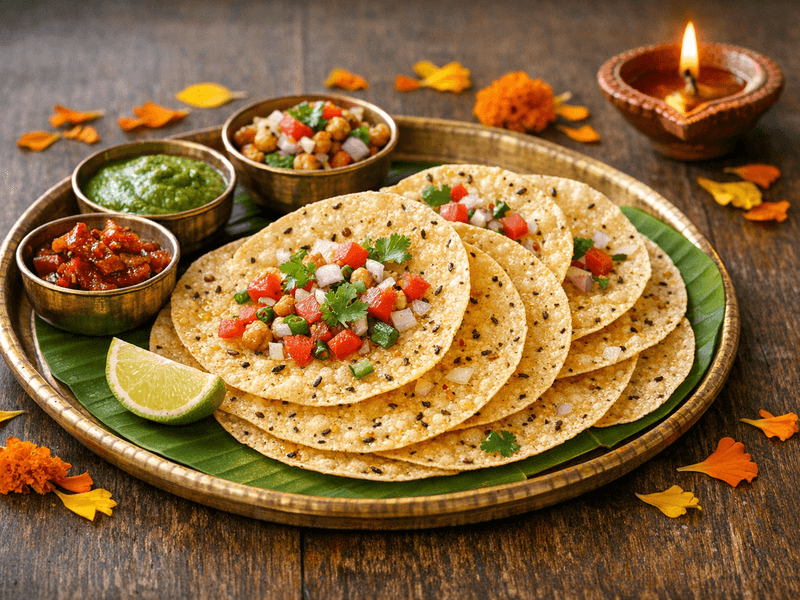
Thin Moong Papad
Lunch • India
How to Make Thin Moong Papad (Traditional & Healthy Version)
Thin Moong Papad is a beloved crispy snack from the heart of West India, renowned for its light texture and savory flavor. Traditionally rolled and sun-dried, these papads are made using moong dal (split yellow gram) flour, offering a gluten-free and protein-rich accompaniment to Indian meals. The delicate crispness and subtle spicing make Thin Moong Papad a staple on lunch thalis, especially during festive occasions in Gujarat and Rajasthan. This classic Indian snack is ideal for those seeking a health-conscious option, as it’s low in fat and can be roasted instead of fried. The process of making papad at home is deeply rooted in Indian culinary traditions, often involving the entire family, particularly during the summer when the sun is perfect for drying. With its irresistible crunch and minimal ingredients, Thin Moong Papad is not just a side dish but a celebration of Indian flavors and culture. Its presence at festivals like Diwali and Holi adds a festive touch to every meal, making it a cherished part of India’s culinary heritage.
Ingredients(for 4 small papads per serving)
- 1 cup Moong dal flour (moong dal atta)
- 1/2 tsp Black pepper (kali mirch, coarsely crushed)
- 1/2 tsp Cumin seeds (jeera)
- 1/4 tsp Asafoetida (hing)
- 1/2 tsp Salt (sendha namak for fasting)
- a pinch Baking soda (optional, for crispiness) - optional
- 1/4 tsp Red chilli powder (lal mirch) - optional
- as needed Water (to make dough)
- 1/2 tsp Cooking oil (for greasing)
Instructions
- 1
In a large mixing bowl, combine moong dal flour, black pepper, cumin seeds, salt, asafoetida, and red chilli powder (if using). Mix well to distribute spices evenly.
3 minutes
Sifting the flour ensures lump-free dough.
- 2
Gradually add water while kneading to form a stiff, smooth dough. The dough should not be sticky.
5 minutes
Knead well for elasticity; add a pinch of baking soda for extra crispiness.
- 3
Divide the dough into small lemon-sized balls. Cover with a damp cloth to prevent drying.
2 minutes
Keep dough balls uniform for even papads.
- 4
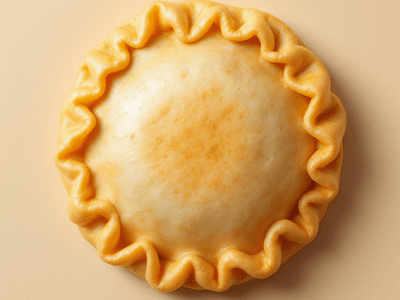
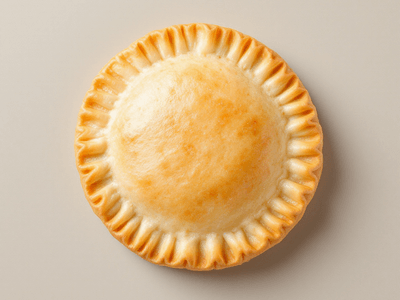
Grease a clean rolling surface and rolling pin lightly with oil. Roll each ball into a thin disc (about 6-inch diameter). Roll as thin as possible without tearing.
5 minutes
Use a plastic sheet or parchment to assist in rolling ultra-thin papads.
Why This Dish is Healthy
This Thin Moong Papad recipe is a healthy choice due to its high protein content from moong dal, minimal oil usage, and the absence of deep frying. Roasting the papad keeps calories in check, while the use of natural spices enhances flavor without added sodium or preservatives. Ideal for weight loss, diabetic diets, and balanced vegetarian nutrition, this homemade version avoids unhealthy additives found in store-bought varieties.
Moong dal is a powerhouse of plant-based protein, dietary fiber, and essential minerals such as magnesium, potassium, and folate. Thin Moong Papad, when roasted, is low in fat and contains no cholesterol, making it suitable for heart health. The spices like cumin and black pepper aid in digestion, while the absence of refined flour keeps it low in empty carbs. Rich in B vitamins, this papad also supports energy metabolism and gut health.
Pro Tips
- 💡Roll papads as thin as possible for best crunch.
- 💡Sun-dry papads on a clean cloth to avoid sticking.
- 💡Roast over medium flame, rotating constantly to prevent burning.
Storage & Serving
Store sun-dried, uncooked papads in an airtight container in a cool, dry place for up to 3 months. Once roasted, consume immediately for best crispness. Avoid moisture to prevent sogginess.
Best served: Lunch
Nutrition Facts
| Nutrient | Per 100g |
|---|---|
| Energy | 32.0 kcal |