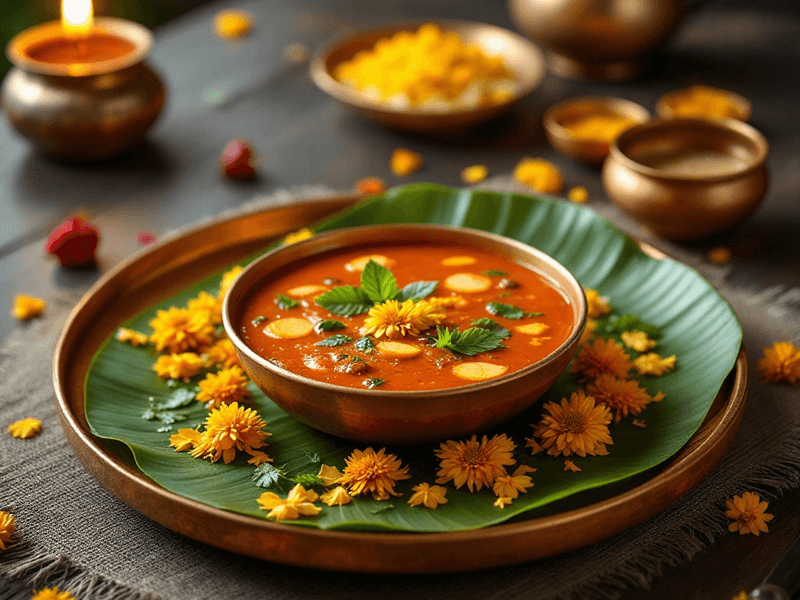
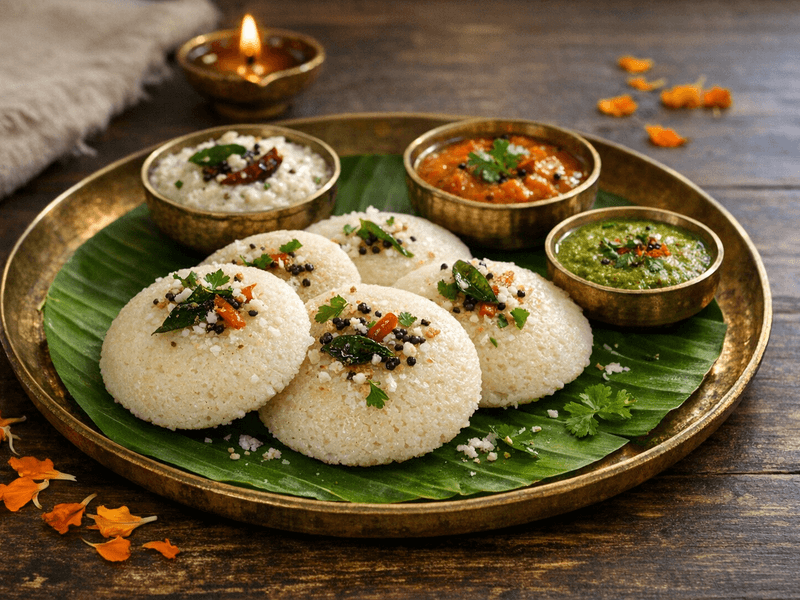
📸 Image coming soon for Thennai Kanji
Thennai Kanji
Lunch • India
How to Make Thennai Kanji (Traditional & Healthy Version)
Thennai Kanji is a cherished South Indian rice gruel, highly revered in Tamil Nadu’s coastal regions, especially around the districts of Kanyakumari and Tirunelveli. This nourishing porridge is made using tender coconut (thennai ilai), parboiled rice, and minimal spices, making it a simple yet deeply comforting meal. Traditionally consumed during the hot summer months, Thennai Kanji is valued for its cooling properties and hydrating effect on the body. The flavor is subtle, creamy, and slightly sweet from the tender coconut, making it a soothing choice for lunch, especially after a morning of fasting or temple rituals. Its gentle taste and wholesome ingredients have made Thennai Kanji a staple during Tamil festivals like Panguni Uthiram, where it is often served as prasadam (offering) in temples. The dish’s beauty lies in its simplicity—using everyday kitchen staples to create a meal that is both satisfying and easy on the stomach. It is a perfect representation of how traditional South Indian recipes focus on natural flavors, nutrition, and seasonality. Because it is light, low in fat, and requires minimal oil, Thennai Kanji is ideal for health-conscious individuals or anyone seeking a wholesome vegetarian lunch. This recipe is suitable for all ages, from children to the elderly, and is often recommended as a convalescent food, thanks to its digestibility and hydration.
Ingredients(for 1 medium bowl (approximately 250ml per serving))
- 1/2 cup Parboiled rice (puzhungal arisi)
- 1 cup Tender coconut water (elaneer)
- 1/2 cup Tender coconut flesh (thennai ilai, finely chopped)
- 2 cups Water (for cooking rice)
- to taste Salt (uppu)
- 2 tbsp Freshly grated coconut (thengai) - optional
- 1 Green chili (finely chopped; optional for mild heat) - optional
- 1/2 inch Ginger (grated; optional for flavor) - optional
- 4-5 Curry leaves (karuveppilai) - optional
- 1 tsp Coconut oil (for tempering; optional) - optional
Instructions
- 1
Wash the parboiled rice thoroughly and soak it in water for 10 minutes. Drain excess water.
10 minutes
Soaking reduces cooking time and aids digestion.
- 2
In a heavy-bottomed vessel (uruli), add the soaked rice and 2 cups water. Cook on medium flame until the rice is soft and mushy.
15 minutes
Stir occasionally to prevent sticking. Use a traditional vessel for authentic flavor.
- 3
Mash the cooked rice lightly using the back of a ladle to get a porridge-like consistency.
2 minutes
Do not over-mash; some texture is desirable.
- 4
Add tender coconut water, chopped tender coconut flesh, and salt to the cooked rice. Mix well and simmer for 2-3 minutes. Do not boil after adding coconut water.
3 minutes
Gently heat after adding coconut water to preserve nutrients.
Why This Dish is Healthy
This dish is a healthy choice because it uses whole, minimally processed ingredients and is naturally low in calories and fat. Tender coconut water is a natural isotonic beverage, aiding in hydration and detoxification. The use of parboiled rice ensures a lower glycemic index compared to polished white rice, helping manage blood sugar levels. The absence of heavy spices and oil makes it gentle on the digestive system, perfect for a light lunch.
Thennai Kanji is naturally low in fat and cholesterol, making it a heart-healthy option. Parboiled rice provides complex carbohydrates for steady energy, while tender coconut water is rich in electrolytes like potassium and magnesium, supporting hydration and muscle function. The dish is high in dietary fiber (if using grated coconut) and contains vitamins such as B-complex and vitamin C. Its minimal oil content and absence of refined ingredients make it suitable for most balanced diets, including vegetarian and vegan plans.
Pro Tips
- 💡Tip 1: Use fresh tender coconut for the best flavor and nutrition.
- 💡Tip 2: Avoid boiling after adding coconut water to retain its micronutrients.
- 💡Tip 3: For extra creaminess, blend half of the coconut flesh before adding.
Storage & Serving
Best consumed fresh. Can be refrigerated for up to 12 hours in an airtight container. Reheat gently, adding a splash of coconut water before serving. Do not freeze.
Best served: Breakfast or Lunch
Nutrition Facts
| Nutrient | Per 100g |
|---|---|
| Energy | 180.0 kcal |