Tamago Kake Gohan
Lunch • India
How to Make Tamago Kake Gohan (Traditional & Healthy Version)
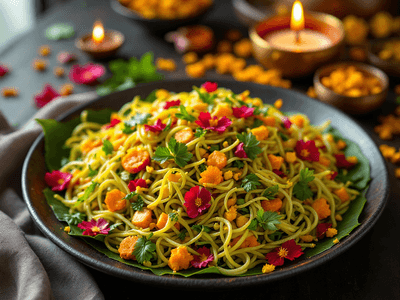
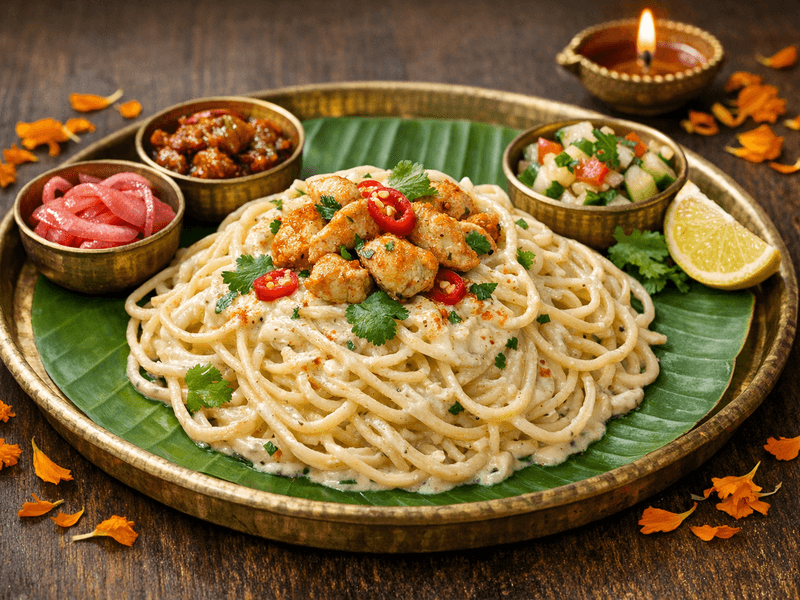
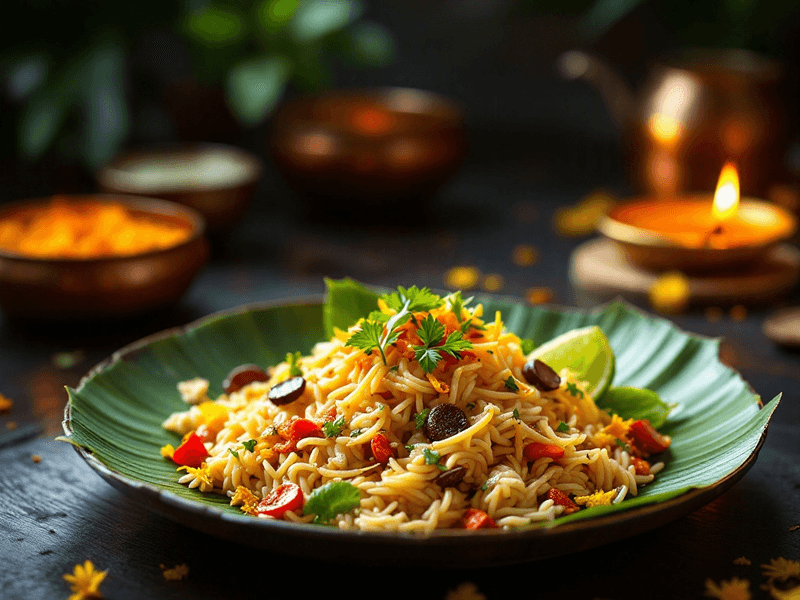
Tamago Kake Gohan, traditionally a Japanese comfort dish, can be reimagined with an Indian twist for a wholesome vegetarian lunch. This unique rice bowl brings together the simplicity of steamed chawal (rice) and the creaminess of eggs, but in this vegetarian adaptation, we replace egg with paneer (cottage cheese) and dahi (curd) to stay true to Indian dietary preferences. The mild umami notes combined with the nutty aroma of roasted til (sesame seeds) and a hint of soya sauce offer a fusion taste that feels both familiar and novel. This dish is perfect for those looking for a light yet satisfying lunch, especially during busy weekdays or as a nutritious meal during festivals like Navratri, when simple sattvic (pure) foods are preferred. Tamago Kake Gohan appeals to the Indian palate by incorporating spices such as kali mirch (black pepper) and hari pyaaz (spring onion), making it ideal for anyone seeking a comforting, protein-rich option that fits seamlessly into Indian vegetarian cuisine. Its quick preparation and customizable toppings make it a favorite among young professionals and families alike.
Ingredients(for 1 medium bowl (about 200g cooked rice with toppings))
- 2 cups Steamed rice (use basmati or sona masoori chawal)
- 100 grams Paneer (cottage cheese) (crumbled)
- 1/4 cup Dahi (curd) (fresh, thick)
- 2 teaspoons Soya sauce (low-sodium recommended)
- 2 teaspoons Roasted sesame seeds (til)
- 2 stalks Spring onion (hari pyaaz) (finely chopped)
- 1/2 teaspoon Black pepper powder (kali mirch)
- 1 teaspoon Ghee (optional, for flavor) - optional
- to taste Salt
- 1 tablespoon Chopped coriander (dhaniya) (for garnish) - optional
Instructions
- 1
Prepare the rice by washing and cooking basmati or sona masoori chawal until fluffy. Spread on a plate to cool slightly.
10 minutes
Use day-old rice for a firmer texture.
- 2
In a mixing bowl, combine crumbled paneer and thick dahi. Mix until smooth and creamy.
3 minutes
Ensure paneer is fresh for best taste.
- 3
Add soya sauce, salt, and kali mirch to the paneer-dahi mixture. Stir well to infuse flavors.
2 minutes
Adjust soya sauce as per saltiness preference.
- 4
Take serving bowls and add a layer of warm rice. Drizzle with a little melted ghee if desired.
2 minutes
Ghee enhances aroma but is optional for fewer calories.
Why This Dish is Healthy
By substituting egg with paneer and dahi, this dish becomes vegetarian while maintaining high protein content and essential nutrients. The absence of deep-frying and the use of low-sodium soya sauce make it heart-friendly and suitable for those watching their sodium intake. Roasted sesame seeds add healthy fats and minerals, making this recipe both filling and light on calories—ideal for weight management or healthy eating goals.
This modern Indian version of Tamago Kake Gohan is a balanced meal, providing complex carbohydrates from rice, high-quality protein from paneer and dahi, and healthy fats from sesame seeds and optional ghee. Paneer is rich in calcium and vitamin B12, supporting bone health and energy. Dahi adds probiotics for digestive health. The use of fresh herbs and spices brings antioxidants and micronutrients, making it a nourishing choice for everyday meals.
Pro Tips
- 💡Tip 1: Use freshly made paneer for the softest, creamiest texture.
- 💡Tip 2: Add a few drops of lemon juice to the dahi-paneer mix for an extra tangy kick.
- 💡Tip 3: For extra crunch, top with roasted peanuts or chopped cucumber before serving.
Storage & Serving
Best enjoyed fresh, but can be stored in an airtight container in the refrigerator for up to 24 hours. Reheat gently before serving; avoid freezing as paneer and dahi may change texture.
Best served: Breakfast or Lunch
Nutrition Facts
| Nutrient | Per 100g |
|---|---|
| Energy | 220.0 kcal |
| Protein | 4.0 g |
| Carbohydrates | 28.0 g |
| Total Fat | 2.0 g |
| Fiber | 1.0 g |