Sticky Rice
Lunch • India
How to Make Sticky Rice (Traditional & Healthy Version)
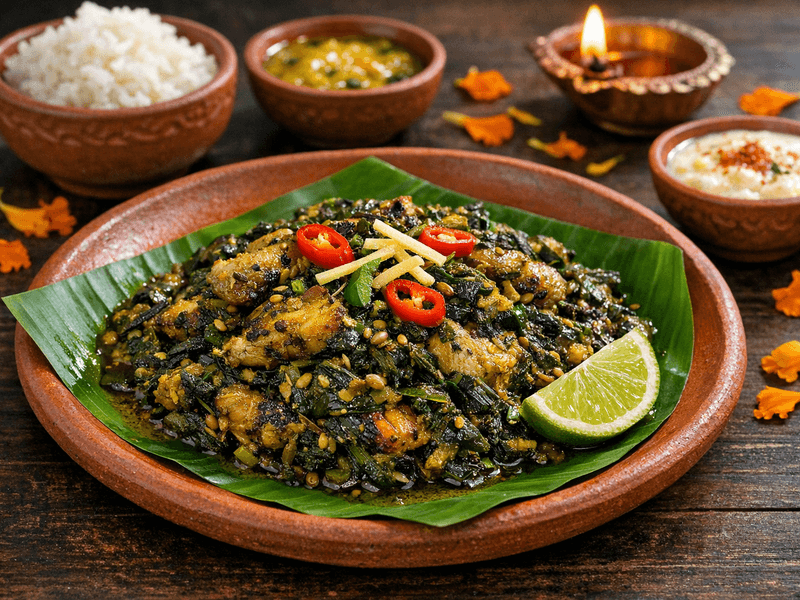
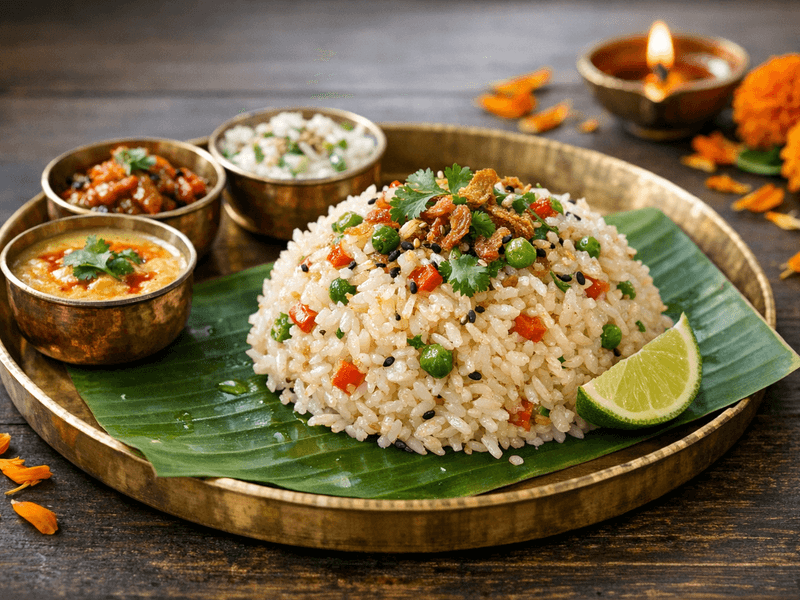
Sticky Rice, known locally as 'Bora Saul' in Assam and 'Chak Hao' in Manipur, is a beloved traditional dish from the Northeast regions of India. Unlike regular rice, sticky rice is cherished for its wonderful chewy texture and subtle, naturally sweet flavor. It holds a special place in Indian culinary traditions, especially during Bihu in Assam and other festive occasions in Manipur and Nagaland. The dish is often served with a side of coconut, jaggery, or fresh fruits, making it a wholesome and satisfying lunch option. Sticky Rice is deeply rooted in the culture of the northeast where rice farming is a way of life. Its unique texture and taste make it a delightful addition to any Indian meal. This healthy version of sticky rice is prepared using minimal oil and is completely vegetarian, making it suitable for a variety of diet types. Its simplicity, authentic taste, and mild aroma make it a great choice for those seeking nutritious and filling lunch options that are light on the stomach, yet rich in tradition.
Ingredients(for 1 medium bowl per person)
- 1 cup Sticky rice (Bora Saul or Chak Hao) (soaked for 4-6 hours)
- 1.5 cups Water (filtered)
- 1/4 cup Fresh grated coconut (nariyal) - optional
- 2 tbsp Jaggery (gud, grated) - optional
- 1/4 tsp Salt (sendha namak for fasting)
- a pinch Cardamom powder (elaichi) - optional
- 1 tbsp Sesame seeds (til, roasted) - optional
- as needed Banana leaves (for steaming, optional) - optional
- 1/2 tsp Mustard oil (sarson ka tel, for greasing) - optional
Instructions
- 1
Rinse the sticky rice thoroughly under running water and soak it in enough water for 4-6 hours. This helps soften the grains and ensures a perfect sticky texture.
5 minutes
Soaking is essential for authentic texture and even cooking.
- 2
Drain the soaked rice and transfer it to a steamer or a heavy-bottomed pan. If using a steamer, line the tray with banana leaves for additional aroma.
5 minutes
Banana leaves add a unique flavor and prevent sticking.
- 3
Add 1.5 cups of water and a pinch of salt. Cover with a lid and steam/cook on medium-low flame for 15-20 minutes. Check halfway and sprinkle extra water if needed.
20 minutes
Do not stir the rice during cooking to retain stickiness.
- 4
Once the rice is cooked and translucent, gently fluff with a wet spoon. Cover and let it rest for 5 minutes to allow the grains to set.
5 minutes
Resting helps the grains stick together perfectly.
Why This Dish is Healthy
This sticky rice recipe uses minimal oil, is steamed instead of fried, and relies on natural sweeteners like jaggery instead of refined sugar. Using banana leaves and traditional methods keeps the dish wholesome and free from additives. The high fiber content supports digestion, while the plant-based ingredients make it heart-healthy and suitable for most dietary preferences.
Sticky rice is naturally gluten-free, high in complex carbohydrates, and provides a steady source of energy, making it suitable for lunch. It contains essential minerals like magnesium and potassium, and when paired with coconut or sesame seeds, boosts dietary fiber and healthy fats. This dish is low in fat (unless added) and free from processed ingredients, ideal for clean eating.
Pro Tips
- 💡Tip 1: Use indigenous sticky rice varieties like Bora Saul or Chak Hao for authentic results.
- 💡Tip 2: Always soak the rice well before cooking to achieve perfect stickiness.
- 💡Tip 3: Lining the steamer with banana leaves prevents sticking and adds a delicate aroma.
Storage & Serving
Store leftover sticky rice in an airtight container in the refrigerator for up to 2 days. Reheat by steaming or microwaving with a sprinkle of water to restore texture. Avoid freezing as it affects the stickiness.
Best served: Breakfast or Lunch
Nutrition Facts
| Nutrient | Per 100g |
|---|---|
| Energy | 169.0 kcal |