Sprouted Moong Curry
Lunch • India
How to Make Sprouted Moong Curry (Traditional & Healthy Version)
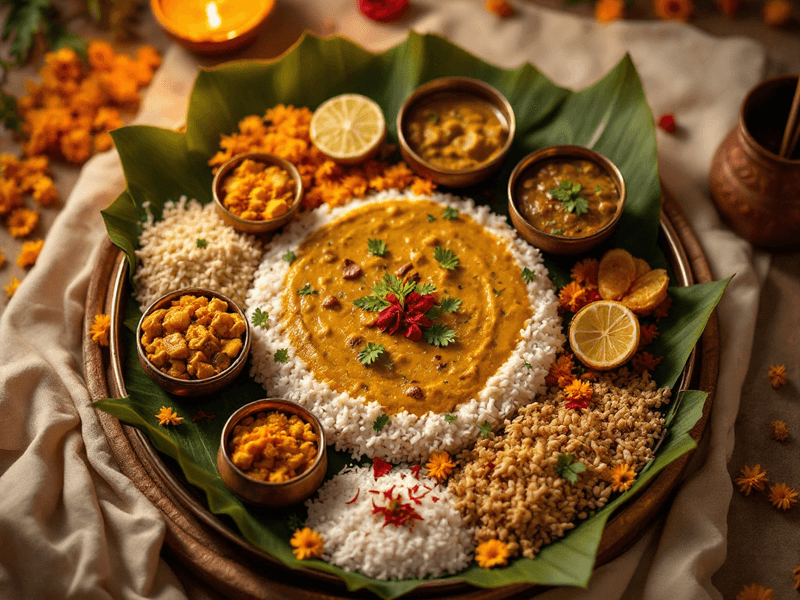
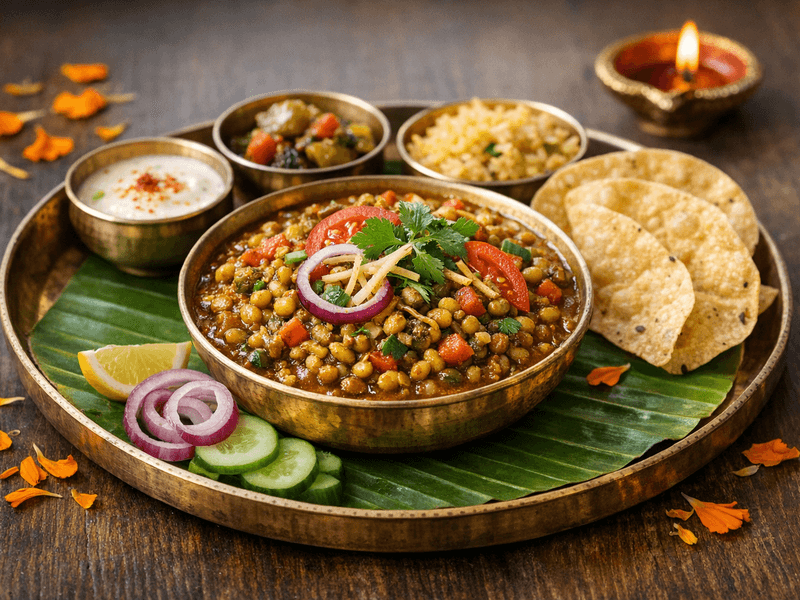
Sprouted Moong Curry is a staple in North Indian homes, especially among health-conscious families. Made from sprouted 'moong dal' (green gram), this dish is known for its earthy flavor, vibrant color, and rich nutrition. The process of sprouting enhances both the taste and the digestibility of moong dal, making it ideal for lunch during hot summers or after festive indulgence. Traditionally, it is served with roti, chapati, or steamed rice, and is enjoyed for its light yet satisfying texture. Moong sprouts are particularly popular in Punjabi households but are also widely used across Uttar Pradesh and Rajasthan. The curry is gently spiced with aromatic masalas like jeera (cumin), dhania (coriander), and garam masala, bringing a warm and comforting flavor profile. This dish is often prepared during festivals like Holi and Navratri, when families seek nourishing, sattvik (pure) meals. Sprouted Moong Curry is a great choice for those looking to increase protein intake without compromising on taste or tradition. Its simplicity and versatility make it a favorite for both everyday meals and special occasions. With minimal oil and fresh vegetables, this recipe is perfect for calorie-conscious eaters, vegetarians, and anyone looking to maintain a balanced diet. The use of sprouted beans adds a crunchy texture and a mild sweetness, creating a wholesome lunch option rooted deeply in Indian culinary heritage.
Ingredients(for 1 medium bowl per person)
- 2 cups Sprouted moong dal (green gram sprouts)
- 1 medium Onion (finely chopped)
- 1 large Tomato (finely chopped)
- 1 inch Ginger (adrak, grated)
- 2 cloves Garlic (lahsun, minced)
- 1 Green chili (hari mirch, chopped) - optional
- 1 tsp Cumin seeds (jeera)
- 1 tsp Coriander powder (dhania powder)
- 1/2 tsp Turmeric powder (haldi)
- 1/2 tsp Red chili powder (lal mirch) - optional
- 1/2 tsp Garam masala
- to taste Salt (namak)
- 1 tbsp Oil (preferably mustard oil or refined)
- 2 tbsp Fresh coriander leaves (dhaniya patta, chopped)
- 2 cups Water
Instructions
- 1
Heat oil in a kadhai or pan on medium flame. Add cumin seeds and sauté until they crackle.
2 minutes
Use mustard oil for authentic North Indian flavor.
- 2
Add chopped onions and sauté until golden brown. Stir in ginger and garlic; cook until raw smell disappears.
4 minutes
Do not over-brown onions to preserve sweetness.
- 3
Add chopped tomatoes, turmeric, coriander powder, red chili powder, and salt. Cook until tomatoes turn soft and masala releases oil.
5 minutes
Cover for faster cooking and richer masala.
- 4
Add sprouted moong dal and green chilies. Mix well and sauté for 2 minutes.
2 minutes
Ensure sprouts are fresh and crunchy.
Why This Dish is Healthy
Sprouted Moong Curry is a healthy choice due to its high protein content, low calories, and fiber-rich composition. The sprouting process boosts the nutritional value, while the absence of heavy cream or butter keeps the fat content low. This dish is suitable for weight management, diabetic diets, and muscle building. Its balance of healthy carbs and lean protein makes it perfect for lunch, keeping you full and energized without heaviness.
Sprouted moong dal is a powerhouse of plant-based protein, dietary fiber, and essential minerals like magnesium, potassium, and iron. Sprouting increases nutrient absorption and reduces anti-nutrients, making moong dal easier to digest. This curry is low in fat and contains antioxidants from fresh vegetables and spices. It also provides vitamins A, C, and B-complex, supporting immunity and metabolism. The use of minimal oil and whole ingredients makes it ideal for calorie-conscious diets.
Pro Tips
- 💡Tip 1: Use fresh, home-sprouted moong for best flavor and nutrition.
- 💡Tip 2: Add a squeeze of lemon before serving for extra zing.
- 💡Tip 3: Garnish with coriander just before serving to retain aroma and freshness.
Storage & Serving
Store leftover curry in an airtight container in the refrigerator for up to 2 days. Reheat gently on a tawa or pan, adding a splash of water to restore consistency.
Best served: Breakfast or Lunch
Nutrition Facts
| Nutrient | Per 100g |
|---|---|
| Energy | 140.0 kcal |