Soya and Wheat Roti
Lunch • India
How to Make Soya and Wheat Roti (Traditional & Healthy Version)
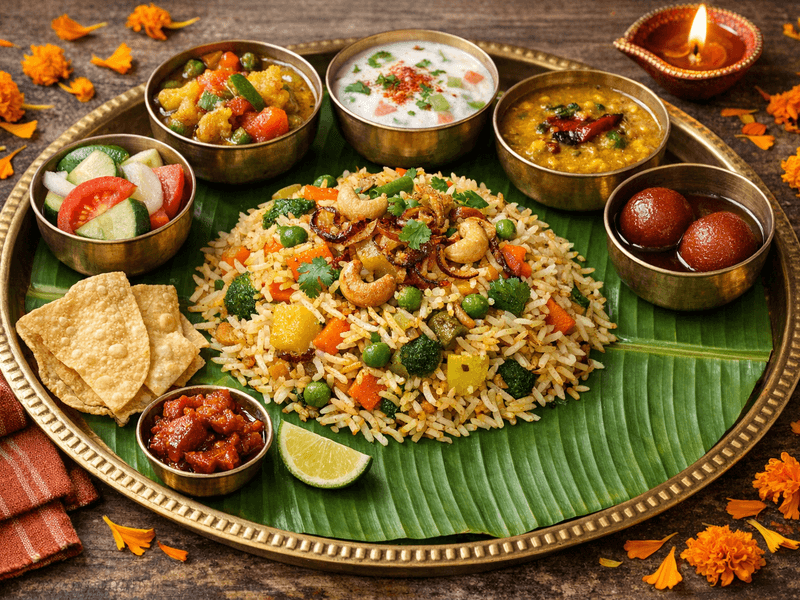
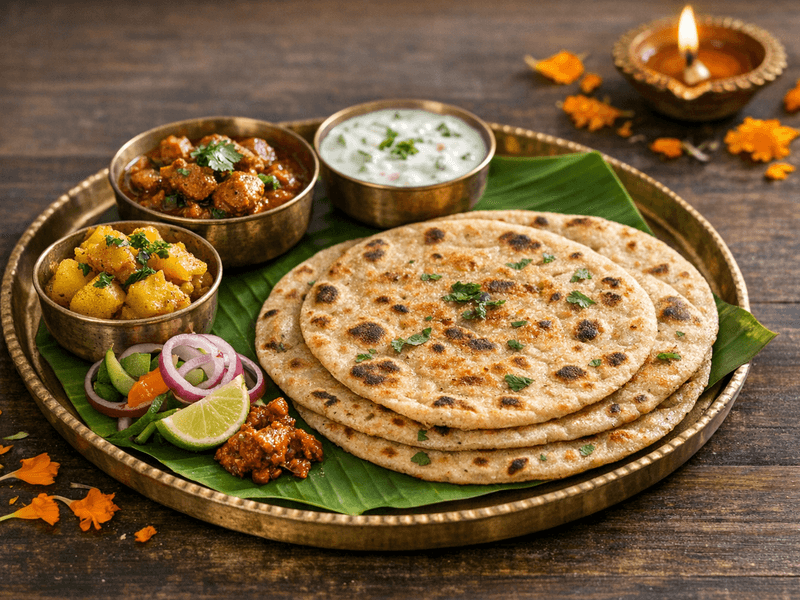
Soya and Wheat Roti is a wholesome and nutritious Indian flatbread that combines the goodness of whole wheat atta and protein-rich soya flour. This roti is a perfect addition to any lunch menu, especially for those seeking a healthy and satisfying meal. Soya and Wheat Roti is popular across Indian households for its soft texture, nutty flavor, and versatility. Drawing from the tradition of rotis that form the backbone of Indian cuisine, this variant is crafted with a blend of soya (soybean) flour and whole wheat, making it especially suitable for health-conscious individuals. In India, rotis are commonly served during lunch and dinner, and Soya and Wheat Roti has gained favor for its higher protein content and unique taste. It is often enjoyed with sabzi, dal, or fresh curd. The use of soya flour is also seen in various states including Punjab and Gujarat, where local flavors are embraced. This nutritious roti is a great choice for festival times when families gather and look for healthy, homemade alternatives to regular breads. Whether you're preparing a simple meal or a festive thali, Soya and Wheat Roti brings traditional Indian flavors with added health benefits. Its soft texture and earthy aroma make it a delightful accompaniment to a wide range of Indian curries and vegetable dishes.
Ingredients(for 2 rotis per person)
- 1 cup Whole wheat flour (atta) (gehun ka atta)
- 1/2 cup Soya flour (soybean ka atta)
- 1/2 tsp Salt (namak)
- 1/2 tsp Carom seeds (ajwain (optional)) - optional
- 1/4 tsp Cumin seeds (jeera (optional)) - optional
- 1 tsp Ghee or oil (for dough and cooking (optional for vegan)) - optional
- as needed Warm water (for kneading)
- 2 tbsp Finely chopped coriander (dhaniya patta (optional)) - optional
- 1, finely chopped Green chili (hari mirch (optional)) - optional
Instructions
- 1
In a large parat (mixing bowl), combine whole wheat atta and soya flour. Add salt, ajwain, and jeera if using. Mix well.
3 minutes
Sifting the flours together ensures even mixing and a softer dough.
- 2
Gradually add warm water and knead into a soft, smooth dough. Add 1 tsp ghee or oil while kneading for extra softness.
7 minutes
Knead thoroughly to activate gluten, helping the rotis puff up.
- 3
Cover the dough with a damp cloth and let it rest for 10 minutes.
10 minutes
Resting allows the dough to hydrate, making rolling easier.
- 4
Divide the dough into equal lemon-sized balls. Flatten each ball slightly between your palms.
2 minutes
Keep the unused dough covered to prevent drying.
Why This Dish is Healthy
This dish is a healthy choice because it uses whole grains and plant-based protein, making it ideal for weight loss, diabetes management, and overall wellness. The addition of soya flour increases protein content, aiding in satiety and muscle repair. Minimal oil or ghee keeps the fat content low, while fiber-rich whole wheat supports gut health. It's a nutrient-dense alternative to plain rotis and perfect for balanced Indian lunches.
Soya and Wheat Roti is rich in plant-based protein from soya flour and provides complex carbohydrates from whole wheat atta. Soya is a great source of essential amino acids, iron, and calcium, while whole wheat adds dietary fiber, B vitamins, and minerals. This combination supports muscle growth, sustained energy, and digestive health. Low in saturated fat, this roti is suitable for those monitoring cholesterol and helps maintain stable blood sugar levels due to its low glycemic index.
Pro Tips
- 💡Tip 1: Use warm water for kneading to get softer rotis.
- 💡Tip 2: Rest the dough to make rolling easier and rotis softer.
- 💡Tip 3: Add fresh herbs like coriander for a flavor boost and extra nutrition.
Storage & Serving
Store cooked rotis in a clean, dry container wrapped in a cloth to keep them soft. Best consumed fresh; can be kept for up to 12 hours at room temperature. For longer storage, refrigerate in an airtight box and reheat on a tawa before serving.
Best served: Breakfast or Lunch
Nutrition Facts
| Nutrient | Per 100g |
|---|---|
| Energy | 115.0 kcal |