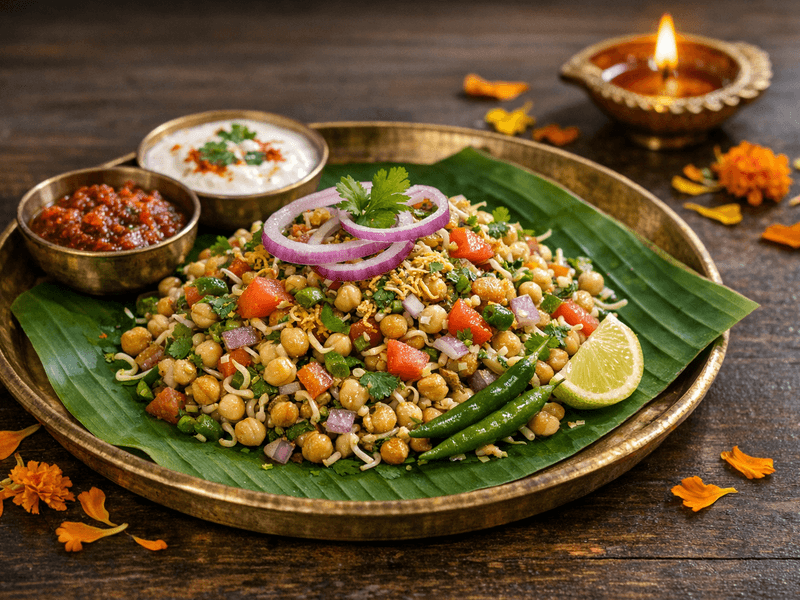
Soaked Chana Sprouts
Lunch • India
How to Make Soaked Chana Sprouts (Traditional & Healthy Version)
Soaked Chana Sprouts, known as 'Chana ke Sprouts' in Hindi, are a staple in North Indian households, especially during spring and festival seasons like Navratri, when sattvic food is preferred. This dish is cherished for its earthy taste and crunchy texture, making it a refreshing option for lunch. Chana (black chickpeas) is soaked and sprouted, then tossed with local spices and vegetables to enhance its flavor and nutritional profile. The recipe is simple yet packed with nutrients, catering to health-conscious Indians who seek low-calorie and high-protein meals. In North India, Soaked Chana Sprouts are enjoyed as a wholesome lunch or light meal, especially in Punjab and Uttar Pradesh. It’s commonly served during fasting days and is favored for its easy digestion and energizing qualities. The dish is versatile, allowing for regional variations—some add grated coconut or pomegranate (anardana) for extra zing, while others keep it simple with just salt, lemon, and chopped onions. Its popularity during festivals and as a street food snack highlights its cultural significance and enduring appeal among Indians of all ages. Soaked Chana Sprouts are not only delicious but also align perfectly with modern dietary needs. Rich in fiber and protein, this lunch dish is ideal for calorie tracking and weight management. Its heritage, simplicity, and adaptability make it a must-try for anyone seeking authentic Indian flavors and healthy eating.
Ingredients(for 1 medium bowl (approx. 150g per serving))
- 1 cup Kala Chana (black chickpeas) (chana)
- 1 small Onion (pyaz, finely chopped)
- 1 medium Tomato (tamatar, finely chopped)
- 1 Green chilli (hari mirch, finely chopped) - optional
- 2 tbsp Coriander leaves (dhaniya patta, finely chopped)
- 1 tbsp Lemon juice (nimbu ras)
- 1/2 tsp Cumin powder (jeera powder)
- 1/2 tsp Rock salt (sendha namak)
- 1/4 tsp Black pepper powder (kali mirch powder) - optional
- 2 tbsp Pomegranate seeds (anardana, optional for garnish) - optional
Instructions
- 1
Wash the kala chana thoroughly and soak it overnight in enough water.
8 hours (overnight)
Use filtered water to ensure clean sprouts.
- 2
Drain the soaked chana and spread them on a clean muslin cloth. Cover and keep in a warm place for 12-18 hours to sprout.
12-18 hours
Keep the cloth moist but not wet for best sprouting.
- 3
Once sprouted, steam the chana for 5-7 minutes to make them softer and easier to digest.
7 minutes
Steaming preserves nutrients and improves digestibility.
- 4
Transfer the steamed chana sprouts to a mixing bowl. Add chopped onion, tomato, green chilli, and coriander leaves.
3 minutes
Mix gently to avoid mashing the sprouts.
Why This Dish is Healthy
This dish is low in calories and high in protein, making it a perfect lunch option for weight management, heart health, and blood sugar control. The fiber content keeps you fuller for longer, reducing unnecessary snacking. The absence of oil and refined flour (maida) ensures that Soaked Chana Sprouts are light yet satisfying. With plenty of micronutrients, this recipe supports overall wellbeing, making it suitable for diabetic, vegan, and weight-loss diets.
Soaked Chana Sprouts are a powerhouse of nutrition. Kala chana is rich in plant-based protein, dietary fiber, and essential minerals like iron, magnesium, and phosphorous. Sprouting increases the bioavailability of vitamins, especially B-complex and Vitamin C, while reducing anti-nutrients for easy absorption. The addition of fresh vegetables and lemon enhances vitamin content and antioxidants, making this dish ideal for immunity, digestion, and muscle health.
Pro Tips
- 💡Tip 1: For quicker sprouting, keep the chana in a warm, dark space.
- 💡Tip 2: Steaming is optional, but recommended for easier digestion.
- 💡Tip 3: Add lemon juice just before serving to retain vitamin C and fresh flavor.
Storage & Serving
Store leftover sprouts in an airtight container in the refrigerator for up to 2 days. If mixed with veggies and lemon, consume within 24 hours for best freshness. Avoid freezing as texture changes.
Best served: Breakfast or Lunch
Nutrition Facts
| Nutrient | Per 100g |
|---|---|
| Energy | 130.0 kcal |