Rice with Sambar
Lunch • India
How to Make Rice with Sambar (Traditional & Healthy Version)
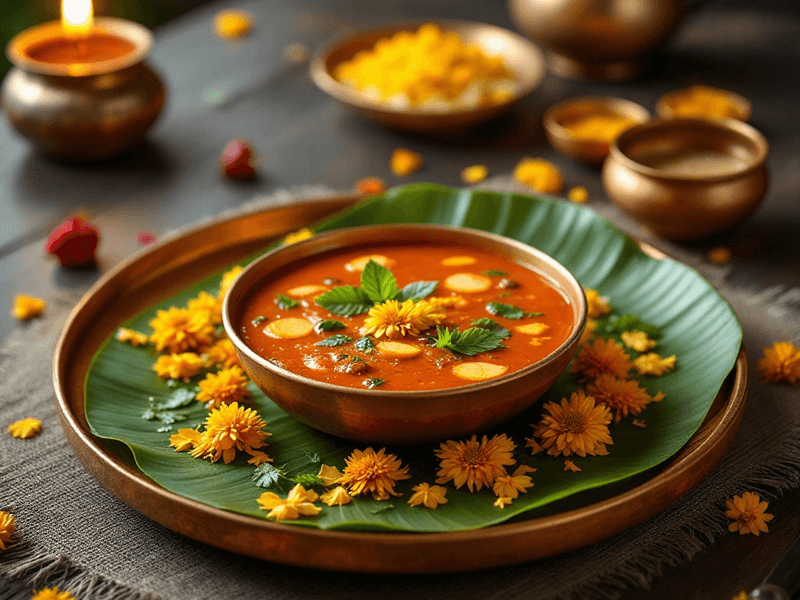
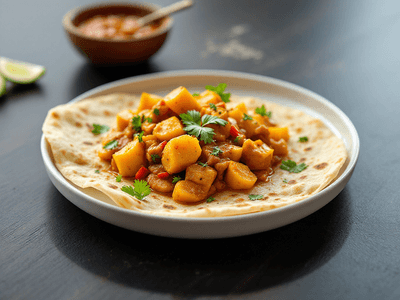
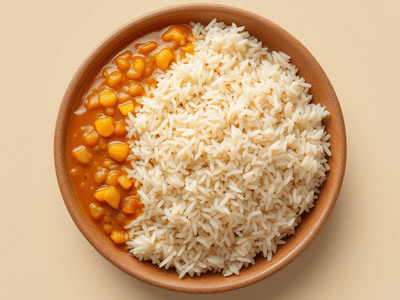
Rice with Sambar is a beloved South Indian lunch staple that brings together perfectly steamed rice and a tangy, aromatic lentil-based vegetable stew known as sambar. This dish has its roots in the kitchens of Tamil Nadu, Karnataka, and Andhra Pradesh, where it is celebrated for its wholesome flavors and nourishing qualities. Sambar, made with toor dal (arhar dal), tamarind, and a medley of seasonal vegetables, is simmered with a unique blend of spices called sambar powder, infusing the dish with rich South Indian aromas. Rice with Sambar is not just a daily comfort food but also a festive meal, served during weddings, festivals like Pongal, and as part of the traditional 'sadhya' in Kerala cuisine. Its comforting taste—mildly spicy, tangy, and earthy—makes it a favorite among all age groups. The combination of rice and sambar is a complete meal, providing plant-based protein, complex carbohydrates, and a spectrum of vitamins and minerals from the vegetables. This dish is ideal for those seeking a healthy, vegetarian, and satisfying lunch option rooted deeply in Indian culinary tradition.
Ingredients(for 1 plate (1 cup cooked rice with 1 cup sambar))
- 1 cup Rice (short grain rice or sona masoori)
- 1/2 cup Toor dal (arhar dal) (split pigeon peas)
- 1 cup Mixed vegetables (carrot, beans, drumstick, pumpkin, brinjal)
- 2 tablespoons Tamarind pulp (imli)
- 1 small Onion (finely chopped)
- 1 medium Tomato (chopped)
- 1.5 tablespoons Sambar powder (store-bought or homemade)
- 1/4 teaspoon Turmeric powder (haldi)
- 1/2 teaspoon Mustard seeds (rai)
- 8-10 Curry leaves (kadi patta)
- a pinch Asafoetida (hing) - optional
- 2 teaspoons Oil (preferably sesame or groundnut oil)
- to taste Salt
- 1 tablespoon Fresh coriander (finely chopped) - optional
Instructions
- 1
Rinse rice thoroughly and cook in a pressure cooker or on the stovetop with 2 cups water until soft and fluffy. Set aside.
12 minutes
Use sona masoori or any short grain rice for authentic texture.
- 2
Wash toor dal. Pressure cook with 1.5 cups water, turmeric, and a few drops of oil for 3-4 whistles until mushy. Mash well and keep aside.
10 minutes
Adding oil helps dal cook faster and prevents foaming.
- 3
In a deep kadhai, heat 1 teaspoon oil. Add mustard seeds; when they splutter, add curry leaves and asafoetida. Sauté onions until translucent.
3 minutes
Tempering (tadka) is key for authentic South Indian flavor.
- 4
Add chopped tomatoes and cook until soft. Add chopped mixed vegetables, sauté for 2 minutes.
4 minutes
Cut vegetables evenly for uniform cooking.
Why This Dish is Healthy
This dish is a healthy choice due to its balanced combination of protein, fiber, and complex carbs, supporting steady energy release and satiety. It is cooked with minimal oil and uses fresh, local vegetables. Naturally gluten-free and free from processed ingredients, Rice with Sambar is suitable for weight management, diabetes-friendly diets, and overall wellness, making it a top pick for health-conscious individuals.
Rice with Sambar is rich in plant protein from toor dal and loaded with dietary fiber and micronutrients from assorted vegetables. The use of turmeric and curry leaves adds antioxidants and anti-inflammatory compounds. Sambar's spices promote digestion, while rice provides complex carbohydrates for energy. This meal is low in saturated fat and contains essential vitamins like vitamin A, C, potassium, and iron, making it a well-balanced vegetarian option.
Pro Tips
- 💡Tip 1: Use fresh homemade sambar powder for authentic flavor.
- 💡Tip 2: Add a small piece of jaggery for a subtle sweetness if desired.
- 💡Tip 3: For extra aroma, add a pinch of fenugreek seeds (methi) in tadka.
Storage & Serving
Store leftover sambar in an airtight container in the refrigerator for up to 2 days. Rice can be refrigerated separately. Reheat sambar thoroughly before serving. Avoid freezing for best taste.
Best served: Lunch
Nutrition Facts
| Nutrient | Per 100g |
|---|---|
| Energy | 320.0 kcal |