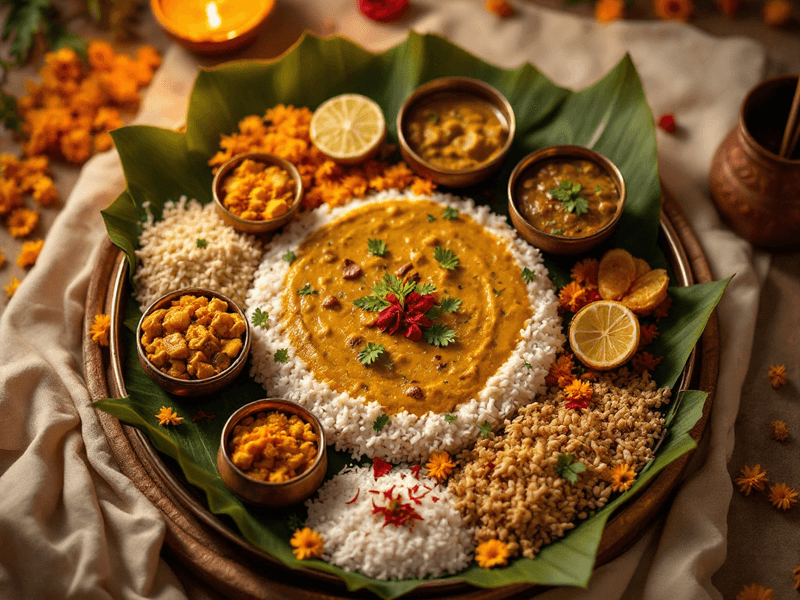
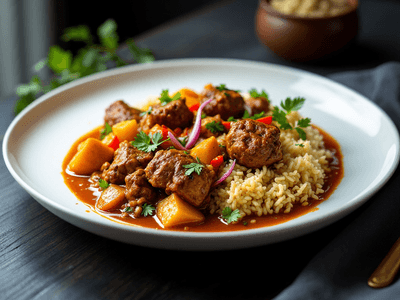
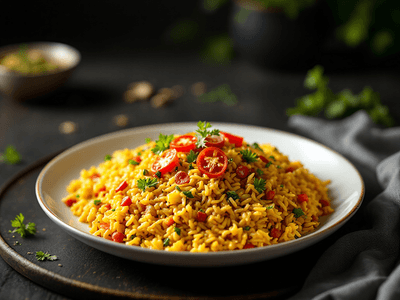
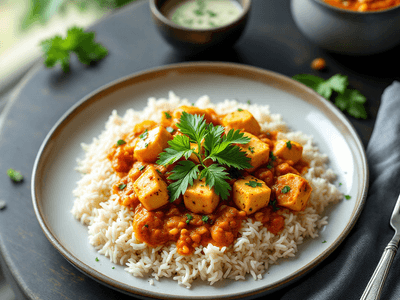
📸 Image coming soon for Rice with Moong Dal
Rice with Moong Dal
Lunch • India
How to Make Rice with Moong Dal (Traditional & Healthy Version)
Rice with Moong Dal, or 'Moong Dal Khichdi', is a comforting staple in North Indian households, revered for its simplicity, nutrition, and soul-soothing flavors. This dish brings together fragrant basmati chawal (rice) and protein-rich moong dal (split yellow lentils), simmered gently with turmeric, cumin, and a touch of ghee. Its light, mushy texture and subtle spice make it a favorite for all ages, especially during recovery or fasting periods. Traditionally, Rice with Moong Dal is prepared across North Indian states such as Uttar Pradesh, Punjab, and Delhi, particularly during festivals like Makar Sankranti or Navratri when light sattvic food is preferred. The dish's easy digestibility and wholesome profile have earned it a place in ayurvedic diets and modern calorie-conscious Indian kitchens alike. Whether paired with dahi (curd), papad, or a dollop of homemade achar (pickle), it offers a warming, satiating meal that is both nourishing and satisfying. Its cultural significance is reflected in its presence at family lunches and as a comfort food during monsoon rains.
Ingredients(for 1 medium bowl (approx. 200g) per serving)
- 1/2 cup Basmati Rice (chawal)
- 1/2 cup Yellow Moong Dal (split yellow lentils)
- 3 cups Water
- 1/2 tsp Turmeric Powder (haldi)
- 1/2 tsp Cumin Seeds (jeera)
- 1 tsp Ghee (can use cold-pressed oil for vegan)
- to taste Salt (namak)
- a pinch Asafoetida (hing) - optional
- 1 tbsp Fresh Coriander Leaves (hara dhania, finely chopped) - optional
- 1, slit Green Chilli (hari mirch) - optional
Instructions
- 1
Rinse the basmati rice and moong dal together under running water 2-3 times until the water runs clear. Soak them for 10 minutes for fluffier texture.
10 minutes
Soaking helps reduce cooking time and makes the dal easier to digest.
- 2
In a pressure cooker, heat ghee on medium flame. Add cumin seeds and let them splutter. Optional: Add a pinch of hing and slit green chilli for extra flavor.
2 minutes
Use cold-pressed oil for a vegan version.
- 3
Add the drained rice and moong dal to the cooker. Stir gently to mix with the tempered spices for 1-2 minutes.
2 minutes
Light roasting enhances the aroma and reduces stickiness.
- 4
Pour in 3 cups of water, turmeric powder, and salt. Mix well. Close the lid and cook for 2 whistles on medium flame.
10 minutes
For a porridge-like khichdi, add an extra 1/2 cup water.
Why This Dish is Healthy
This dish is easy to digest, low in saturated fat, and free from processed ingredients, making it perfect for weight loss and blood sugar control. Moong dal is known for its detoxifying properties and is recommended in ayurvedic diets. Minimal ghee ensures healthy fats without excess calories. It’s wholesome, filling, and supports gut health, making it suitable for all age groups.
Rice with Moong Dal is a balanced meal rich in plant-based protein, complex carbohydrates, and dietary fiber. Moong dal is low in fat, high in protein, and contains essential amino acids, making it ideal for vegetarians. The combination of rice and dal offers a complete protein profile, while turmeric adds anti-inflammatory benefits. The dish is also a good source of B vitamins, iron, magnesium, and potassium, supporting energy metabolism and heart health.
Pro Tips
- 💡Tip 1: Use freshly ground turmeric for enhanced flavor and health benefits.
- 💡Tip 2: Always soak dal and rice before cooking for better digestibility.
- 💡Tip 3: Add vegetables like spinach or carrot to boost nutrition without altering taste.
Storage & Serving
Store leftovers in an airtight container in the refrigerator for up to 2 days. Reheat with a splash of water to restore softness. Avoid freezing as the texture may change.
Best served: Breakfast or Lunch
Nutrition Facts
| Nutrient | Per 100g |
|---|---|
| Energy | 320.0 kcal |