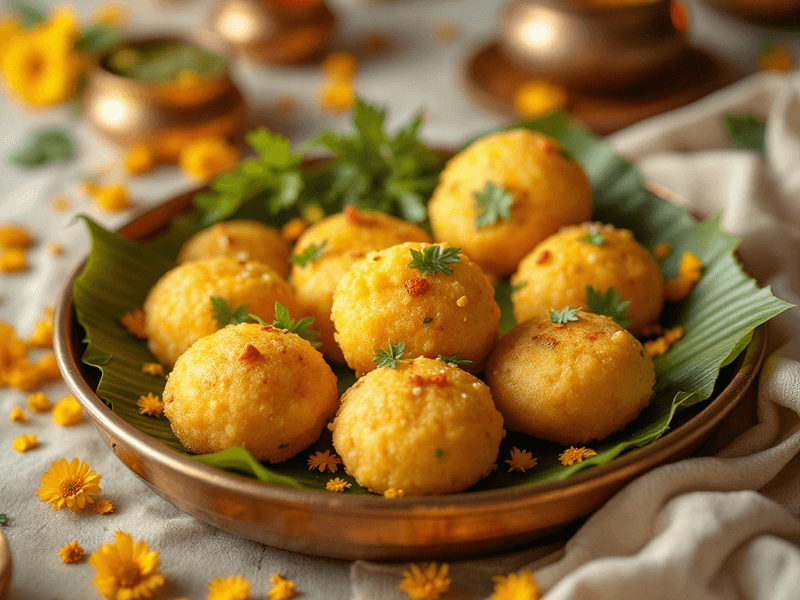
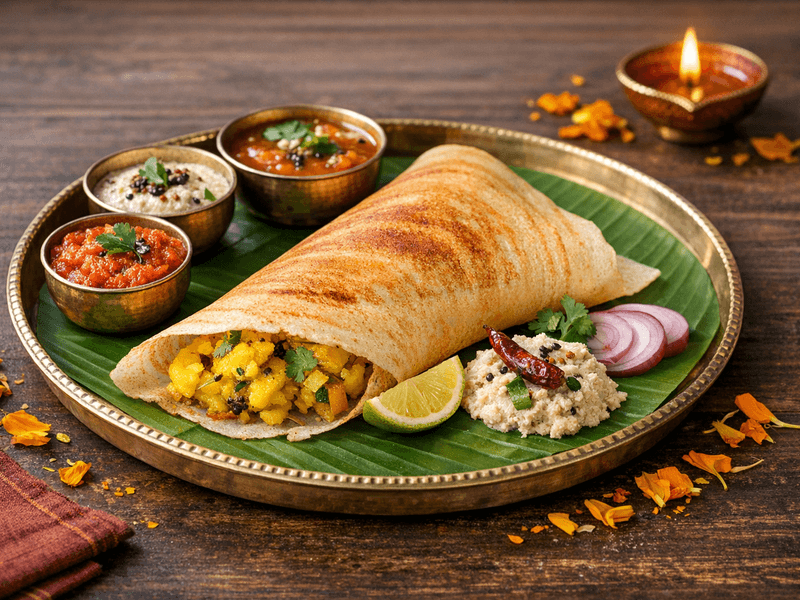
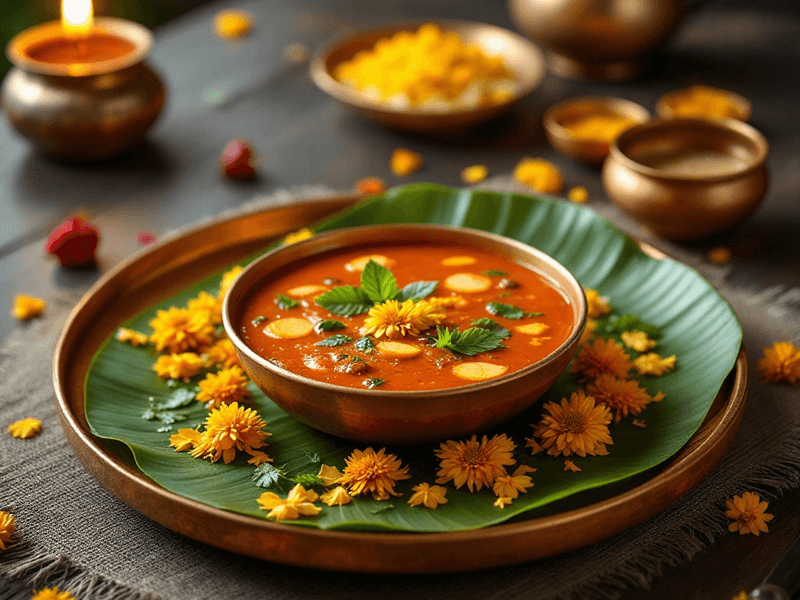
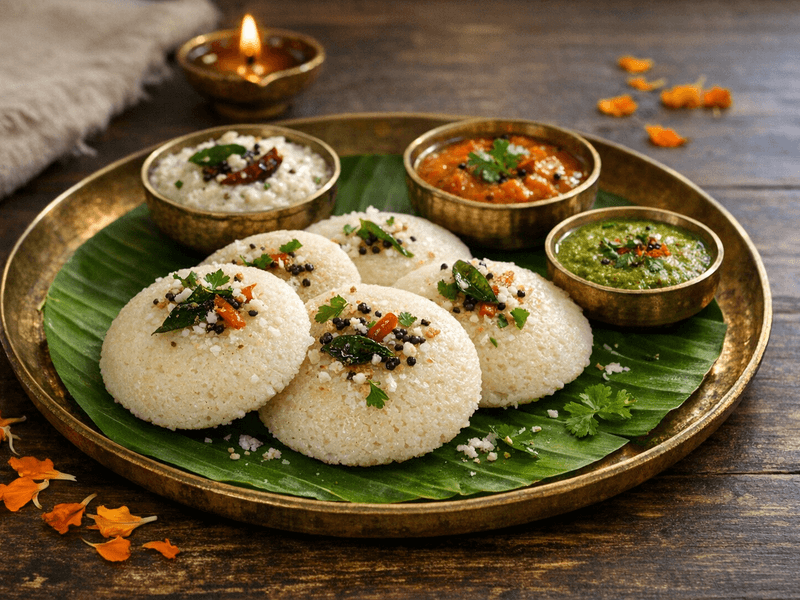
📸 Image coming soon for Rice Kanji with Coconut
Rice Kanji with Coconut
Lunch • India
How to Make Rice Kanji with Coconut (Traditional & Healthy Version)
Rice Kanji with Coconut is a quintessential South Indian dish, beloved across Kerala and Tamil Nadu for its simplicity and nourishing qualities. Traditionally known as 'Paal Kanji' or 'Thengai Kanji', this warming rice porridge is often prepared during festivals like Vishu and Onam, and is also a staple for everyday lunches in many homes. The dish combines locally sourced rice (often parboiled rice or 'puzhukkalari'), slow-cooked in water to a creamy consistency, and finished with freshly grated coconut. This natural pairing results in a light, easily digestible meal that soothes the stomach and provides sustained energy, making it especially popular after religious fasts or during auspicious days when simple, sattvic food is preferred. The subtle sweetness of coconut complements the mild flavor of the rice, making Rice Kanji a comforting meal for all ages. It is often served with pickle ('achaar'), roasted papad ('appalam'), or a side of sautéed vegetables, enhancing its nutritional balance. Its gentle flavor and smooth texture make it ideal for those seeking a wholesome, vegetarian lunch that is light yet filling. With its roots in South India's agrarian traditions, Rice Kanji with Coconut reflects the region’s emphasis on seasonal, local ingredients and mindful eating. This healthy recipe is perfect for calorie-conscious individuals, offering a high satiety value with minimal fat and natural carbohydrates.
Ingredients(for 1 medium bowl (approx. 250 ml))
- 1/2 cup Parboiled rice (puzhukkalari) (also known as 'matta rice')
- 1/4 cup Fresh coconut (grated (thengai))
- 4 cups Water (filtered)
- 1/4 tsp Salt (or to taste)
- 6-8 leaves Curry leaves (optional for flavor) - optional
- 1/4 tsp Cumin seeds (jeera) (optional for aroma) - optional
- 1/2 inch Ginger (finely chopped (optional)) - optional
- 1/2 tsp Ghee (for tempering (optional)) - optional
- 1 Green chilies (slit (optional, adjust to taste)) - optional
Instructions
- 1
Wash the parboiled rice thoroughly under running water. Soak for 10 minutes to soften.
10 minutes
Soaking helps the rice cook faster and improves digestibility.
- 2
Add rice and water to a heavy-bottomed vessel or 'handi'. Bring to a boil, then simmer on low heat.
5 minutes
Use a traditional vessel for authentic flavor.
- 3
Cook rice uncovered, stirring occasionally, until it breaks down and forms a creamy porridge-like consistency.
15 minutes
Keep stirring to prevent sticking and burning.
- 4
Add salt, grated coconut, and mix well. Continue simmering for 2 minutes so coconut infuses its flavor.
2 minutes
Fresh coconut enhances taste and aroma.
Why This Dish is Healthy
This dish is a healthy choice because it uses whole, minimally processed ingredients. The rice is boiled for easy digestion, and coconut provides natural fats without cholesterol. The absence of heavy spices and oil ensures low caloric density, making it ideal for weight management and heart health. Its vegan adaptability and gluten-free nature mean it fits most dietary needs. Rice Kanji with Coconut is a perfect lunch option for anyone tracking calories or aiming for a balanced, wholesome meal.
Rice Kanji with Coconut is rich in complex carbohydrates from the parboiled rice, providing sustained energy and satiety. Coconut adds healthy fats, especially medium-chain triglycerides, which support metabolism and brain health. The dish is naturally gluten-free, vegetarian, and low in calories per serving. It supplies essential minerals like potassium and magnesium, while curry leaves and cumin offer antioxidants. With minimal oil and no processed ingredients, it’s suitable for all age groups, including those with sensitive digestion.
Pro Tips
- 💡Tip 1: Use fresh coconut for authentic taste and nutrition.
- 💡Tip 2: Adjust water for desired consistency—thicker for lunch, thinner for light breakfast.
- 💡Tip 3: For extra flavor, add a pinch of black pepper during tempering.
Storage & Serving
Store leftovers in an airtight container in the refrigerator for up to 24 hours. Reheat on the stove with a splash of water to restore creamy texture. Avoid freezing as coconut can lose flavor.
Best served: Breakfast or Lunch
Nutrition Facts
| Nutrient | Per 100g |
|---|---|
| Energy | 200.0 kcal |