Rice Flour Roti
Lunch • India
How to Make Rice Flour Roti (Traditional & Healthy Version)
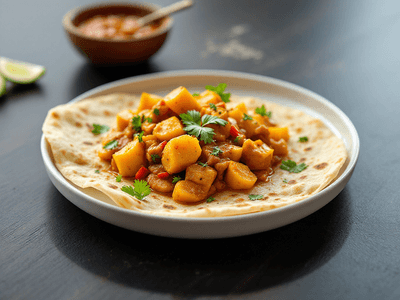
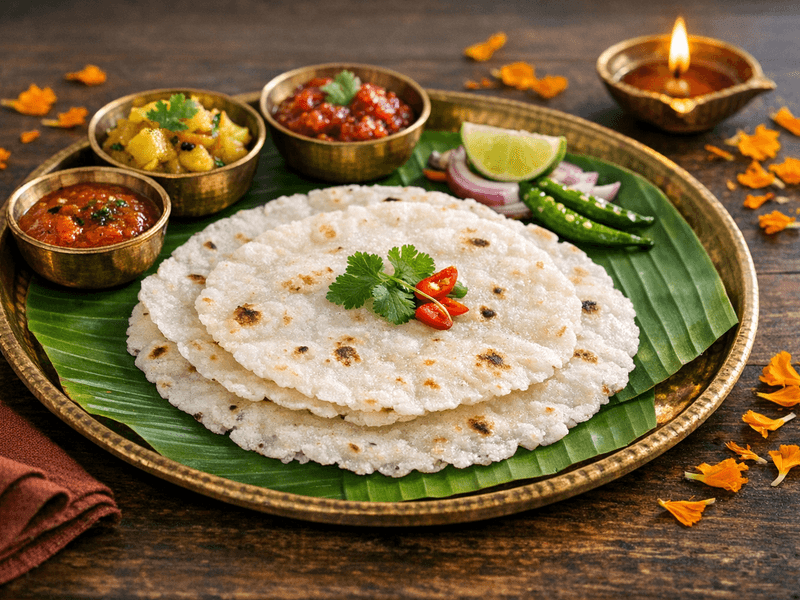
Rice Flour Roti, also known regionally as 'Akki Rotti' in Karnataka or 'Chawal ka Roti' in other parts of South India, is a beloved flatbread that forms an essential part of the Indian lunch menu, especially in gluten-free households. Unlike the regular wheat-based rotis, rice flour roti is made using rice flour, making it naturally gluten-free and light on the stomach. The soft, pliable nature of this bread makes it a perfect accompaniment for a variety of Indian curries and sabzis. With its roots deeply embedded in the southern states of Karnataka, Andhra Pradesh, and Kerala, rice flour roti is not just a daily staple but also enjoyed during special occasions and festivals such as Ugadi and Onam. Its delicate taste, subtle aroma, and healthful properties make it a favorite among those seeking a nutritious yet delicious meal. The process of making these rotis is simple and rewarding, resulting in a wholesome, soft bread that is ideal for lunch or even a light breakfast. If you're looking for a healthy Indian flatbread recipe, rice flour roti is an excellent choice.
Ingredients(for 2 medium rotis per person)
- 1 cup Rice flour (Chawal ka atta)
- 1 cup Water
- 1/4 tsp Salt (Namak)
- 1 tsp Oil (Any neutral oil)
- 1 tbsp Coriander leaves (Hara dhania, finely chopped) - optional
- 1 Green chili (Finely chopped, optional) - optional
- 1/2 tsp Cumin seeds (Jeera, optional) - optional
- 2 tbsp Grated carrot (Optional for added nutrition) - optional
- 1 tsp Ghee (For brushing (optional, skip for vegan)) - optional
Instructions
- 1
In a saucepan, bring 1 cup of water to a gentle boil. Add salt and 1 tsp oil. Lower the heat.
3 minutes
Heating the water ensures smooth mixing and softer rotis.
- 2
Add rice flour slowly, stirring continuously to prevent lumps. Once combined, turn off the heat and cover for 5 minutes.
5 minutes
Covering allows the flour to steam, making the dough easier to knead.
- 3
Transfer the mixture to a plate. While still warm (but not hot), knead into a soft, smooth dough. Add chopped coriander, green chili, cumin seeds, or grated carrot as desired.
5 minutes
Knead while warm for a pliable dough. Use wet hands if it feels sticky.
- 4
Divide the dough into small lemon-sized balls. Dust each ball lightly with rice flour.
2 minutes
Shape all rotis before cooking for even results.
Why This Dish is Healthy
This dish is a healthy choice because it avoids refined wheat and is prepared with minimal oil, making it low in fat. The addition of fresh herbs and vegetables boosts its nutritional value without adding extra calories. Since it is light and easy to digest, rice flour roti is ideal for people seeking a wholesome, low-calorie Indian bread that fits into a balanced diet. It's also adaptable for vegan, diabetic, and weight-loss diets.
Rice flour roti is naturally gluten-free and suitable for those with wheat allergies or celiac disease. It provides a good source of carbohydrates for sustained energy and, when paired with vegetables or dal, offers a balanced meal. The use of minimal oil and the option to add vegetables like carrots or greens increases its fiber, vitamin, and mineral content. Rice flour contains essential minerals such as magnesium and phosphorus to support bone health.
Pro Tips
- 💡Tip 1: Use freshly boiled water for soft, pliable dough.
- 💡Tip 2: Roll rotis between parchment or banana leaf to prevent sticking.
- 💡Tip 3: Serve immediately for the softest texture, as rice rotis tend to harden on cooling.
Storage & Serving
Rice flour rotis are best enjoyed fresh. If storing, wrap in a clean cloth and place in an airtight container for up to 8 hours. Reheat on a tawa before serving. Avoid refrigeration as they may harden.
Best served: Breakfast or Lunch
Nutrition Facts
| Nutrient | Per 100g |
|---|---|
| Energy | 115.0 kcal |